
Do I qualify for VAWA?
Answer twelve short questions. At the end you get an element-by-element read of the VAWA self-petition: what your answers appear to meet, what needs evidence, and what could be a problem, with the law behind each line. It is not a decision. Nothing you choose is saved, sent, or put in the web address.
Current as of October 2026. We re-check this page every quarter and after any change in the law.
Before you start
If someone may walk in, remember the red Quick Exit button at the top, or press Esc twice. The questions ask about abuse in general terms only. You never have to describe what happened.
Your answers, element by element
| Element | Your answers | What it means |
|---|
Gather these if you can, safely
Read next
This is not legal advice and not a decision. USCIS decides each case on its evidence. Current as of October 2026.
Common questions
Does a good result mean I qualify?
No. The questionnaire reads your answers against the elements of the self-petition in INA 204(a)(1) and USCIS policy. Whether you qualify depends on the evidence, on facts the questions do not ask about, and on USCIS. Use the result to decide what to gather and what to ask us.
What if I answer I am not sure?
That is a useful answer. The result marks the element as needing a closer look rather than guessing. Many survivors do not know the abuser's status or the exact dates, and we can often establish them from records.
Is anything I answer stored?
No. Answers stay in this open page only. They are not sent to us or anyone, not saved in the browser, and not written into the web address. Closing the tab or pressing Start over erases them. Your browser history will still show the page; see staying-safe-online.html.
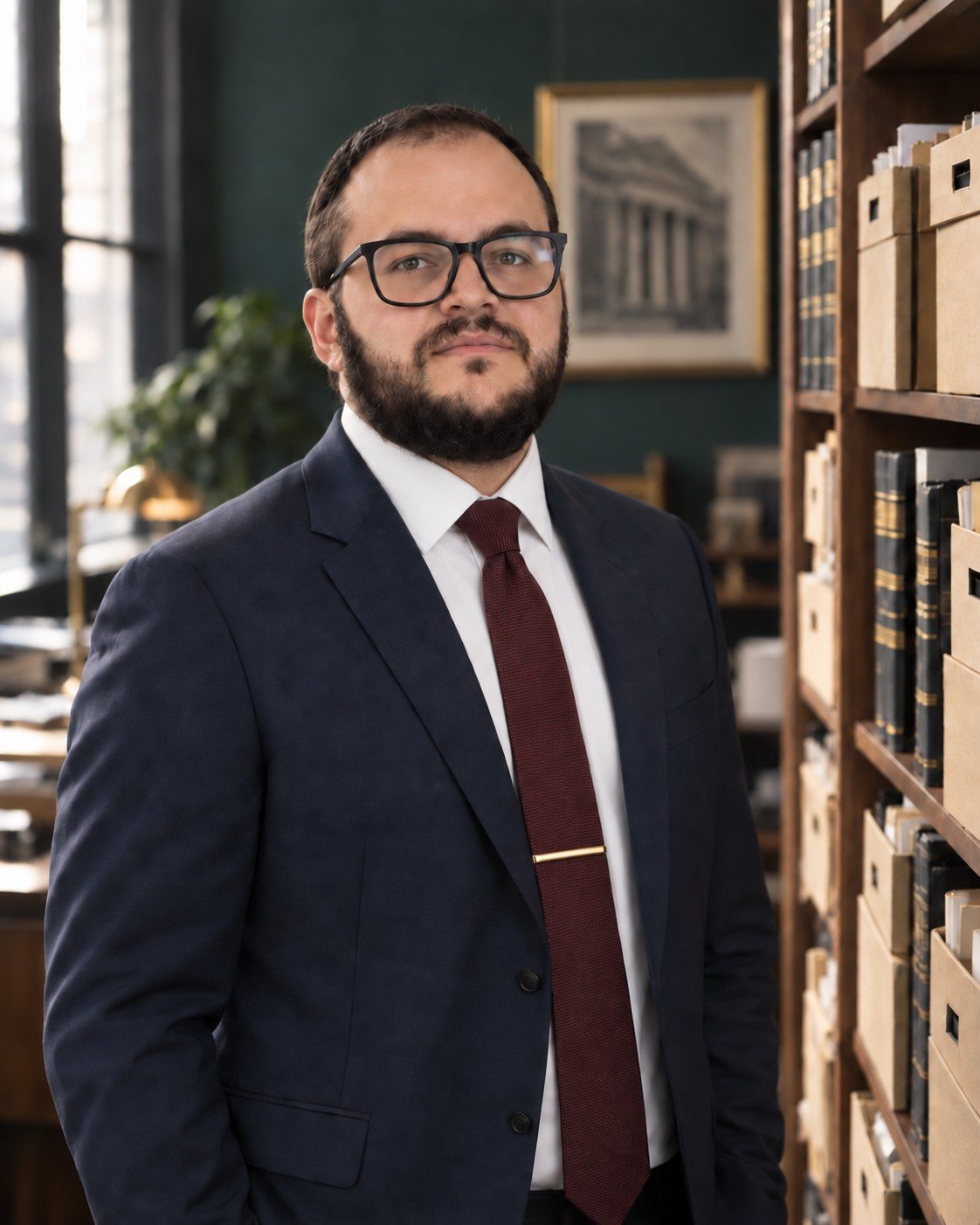
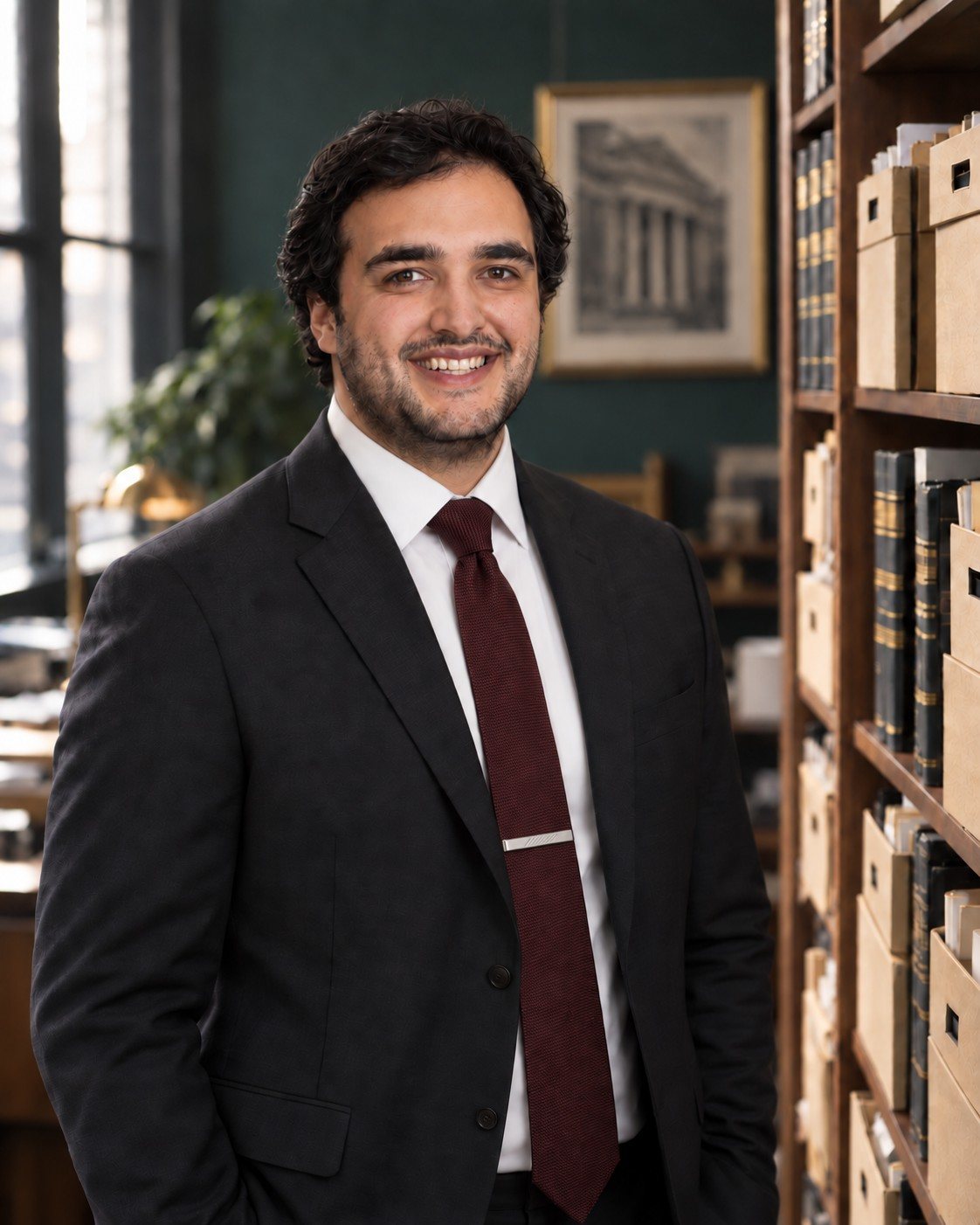
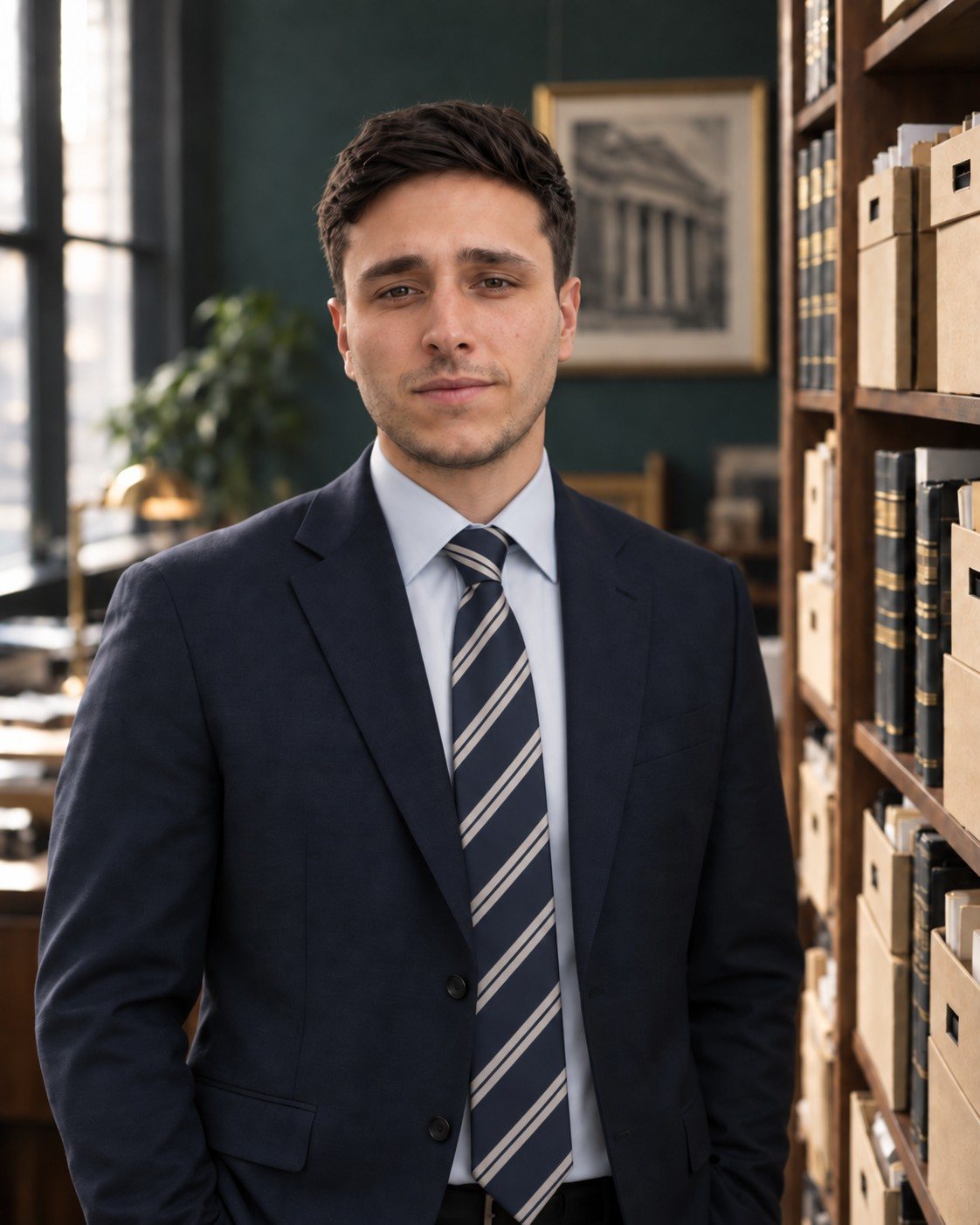
The lawyers who will handle your case
One of them calls you back, privately, on your terms.
Talk to a lawyer privately. You decide how we reach you.
Tell us a safe number or email and a safe time, and whether we can leave a message. We never contact the person who hurt you, and we never call from a number or send anything that names this site. The first conversation is free and confidential, in English, Russian, Spanish or Uzbek, with a live interpreter for any other language.