
Abuse without violence
You do not have to have been hit to self-petition. Extreme cruelty is its own route, and it reaches psychological abuse, threats, and conduct that forms a pattern of control. The question is what happened across the whole relationship, not whether there was a single injury.
Current as of October 2026. We re-check this page every quarter and after any change in the law.
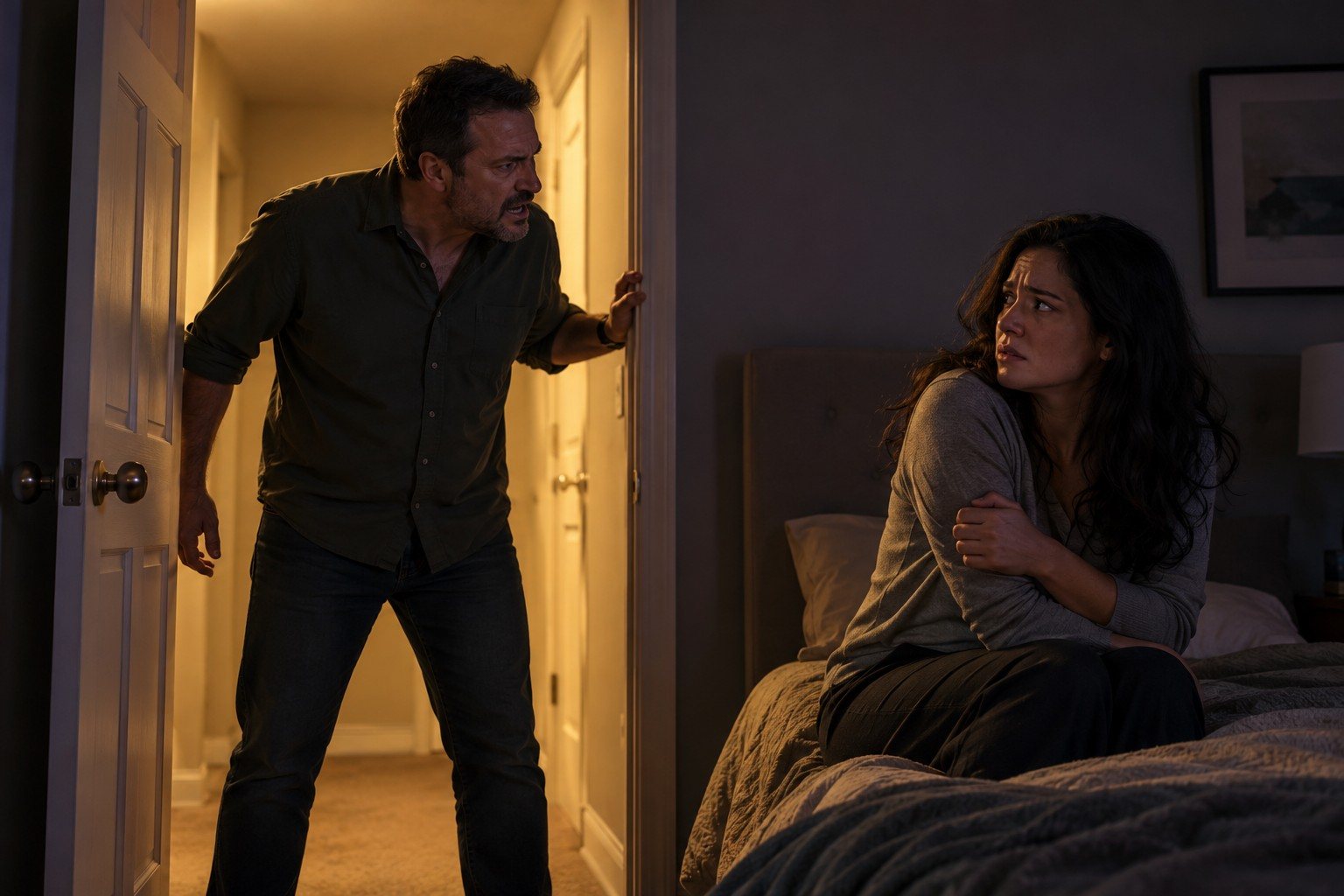
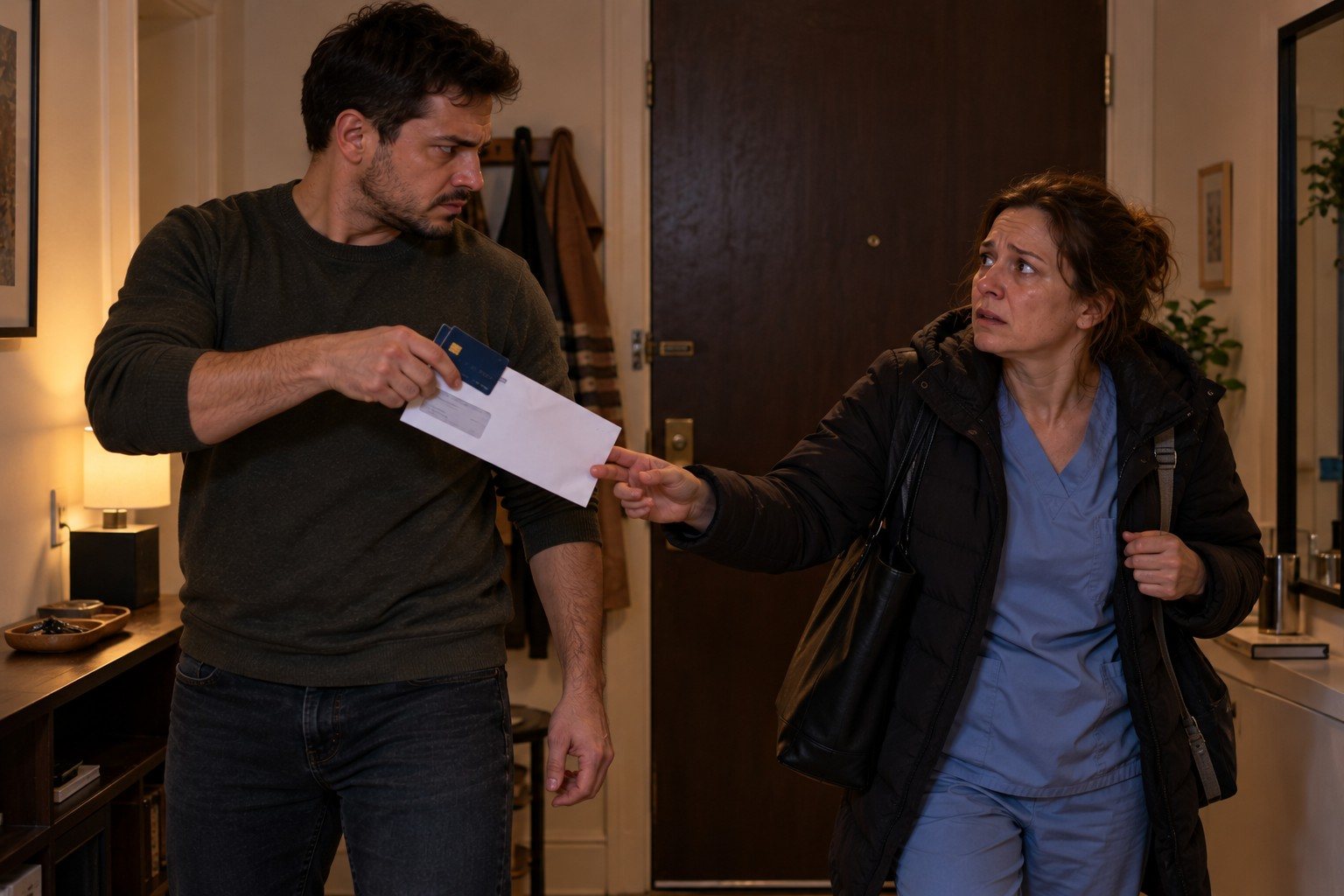
Many people who qualify for a self-petition do not think of what happened to them as abuse, because no one went to the hospital. The law does not draw the line there. The abuse element is "battery or extreme cruelty." Battery is one route. Extreme cruelty is the other, and it does not require a single blow. This page is about that second route. For the full definition, see battery or extreme cruelty.
What the law reaches

Under 8 C.F.R. 204.2(c)(1)(vi), battery or extreme cruelty includes psychological or sexual abuse or exploitation, threatened acts of violence that threaten physical or mental injury, and acts that may not initially appear violent but are part of an overall pattern of violence.
Courts have read extreme cruelty to reach non-physical, coercive control, judged in the context of the whole relationship. The Ninth Circuit said so in Hernandez v. Ashcroft, 345 F.3d 824 (9th Cir. 2003), a published decision (not our client).
In plain terms, the kinds of conduct people describe include:
- threats against you, your children or your family, here or abroad;
- threats to report you to immigration, to withdraw a petition, or to have you deported (see threats of deportation);
- taking or hiding your passport, documents or mail (see documents the abuser took);
- control of money, work, the phone, or who you may see or speak to;
- isolation from family, friends, faith community or language;
- constant degradation, humiliation or monitoring;
- pressure or coercion around sex.
No list decides a case. One item alone may not meet the standard. Several together, over time, with the effect on you described, often tell the officer what the relationship was.
Why the pattern matters

Abuse without violence is hard to see one incident at a time. A single text message can look ordinary. The same message, as the hundredth in a year, with a rule about when you may leave the house, is something else. The regulation's words "part of an overall pattern" exist for exactly that.
So the record has to show the pattern. That means dates, frequency, what changed over time, and what it did to you: sleep, work, health, contact with family, fear. It also means the quiet periods. Abuse often cycles between cruelty and apology, and the apology phase can be part of the control. Leaving it out makes the story harder to believe, not easier.
How it is proved
Under INA 204(a)(1)(J) and 8 C.F.R. 204.2(c)(2)(i), USCIS must consider any credible evidence, and decides what weight it gets. For abuse without violence, that usually means:
- Your declarationSpecific and in order: what was said or done, when, how often, and the effect on you.There is no substitute for this one. It is written with us over several sessions, at your pace.
- Statements from people who saw it or saw you changeFriends, family, coworkers, neighbors, clergy, teachers.If no one saw the abuse itself, people who saw its effects on you still help.
- Counseling, therapy or medical recordsWhat you reported, and what the provider observed.A letter from a counselor or advocate you see now can describe what you have told them and what they observe.
- Messages, emails, voicemailsThe abuser's own words, in context.If the abuser controls the phone or accounts, do not try to retrieve them in a way that puts you at risk. Describe them in your declaration instead.
- Records of controlBank records, a passport you could not access, a cancelled phone plan.Your description of how the control worked is evidence on its own.
Under 8 U.S.C. 1367(a)(1), DHS, the Justice Department and the State Department may not make an adverse determination of admissibility or deportability using information furnished solely by the abuser or the abuser's family, unless you have been convicted of a crime listed in INA 237(a)(2). That rule is narrower than it sounds. Under USCIS Policy Alert PA-2025-34 (December 22, 2025), USCIS does not apply it to the denial of an I-360, I-751 or I-765V, and 1367 protection ends at naturalization. On the petition itself, the answer to the abuser's version is your own evidence. Read more on confidentiality.
Gathering evidence safely
Screenshots, notes and copies can be found. Keep them somewhere the abuser cannot reach, and read staying safe online first. A safety plan is made with a domestic violence advocate. If you are in danger now, call 911.
Read next: battery or extreme cruelty, writing your declaration, evidence without documents, or the self-petition overview.
Common questions
My spouse threatened to have me deported. Is that abuse?
It can be part of it. Threats aimed at your fear, your safety or your status are the kind of conduct the extreme cruelty standard reaches, especially as part of a pattern. Whether your account meets the standard is decided on the whole record, which is why the details in your declaration matter.
I never called the police. Do I still have a case?
Possibly. USCIS must consider any credible evidence under INA 204(a)(1)(J). Many people who suffered abuse without violence never called anyone. Your declaration, statements from people who saw the effects on you, and records from counselors or doctors can carry the abuse element.
Does it matter that the abuser was sometimes kind?
Not in the way the abuser may want it to. Abuse often moves between cruelty and apology, and the kind periods do not erase the rest. Extreme cruelty is assessed in the context of the whole relationship, so describe both honestly.
Is money control a form of abuse under VAWA?
Control over money, documents, work or contact with family can be part of a pattern of extreme cruelty. It is rarely the only thing that happened. Describe it in context, with dates and specifics, alongside everything else.
The lawyers who will handle your case
One of them calls you back, privately, on your terms.



Talk to a lawyer privately. You decide how we reach you.
Tell us a safe number or email and a safe time, and whether we can leave a message. We never contact the person who hurt you, and we never call from a number or send anything that names this site. The first conversation is free and confidential, in English, Russian, Spanish or Uzbek, with a live interpreter for any other language.