
Confidentiality: what the law protects, and what it does not
The government may not tell the person who abused you that you filed, and it may not find you inadmissible or deportable based only on what they say. That is 8 U.S.C. 1367. It is a strong protection with clear edges: it binds federal agencies, not the abuser, and not a state court, and it has exceptions and an end point.
Current as of October 2026. We re-check this page every quarter and after any change in the law.

You can file a VAWA self-petition without the abuser's knowledge, signature or permission. Once you do, federal law places limits on what the immigration agencies may say and do. This page sets out those limits exactly, in the words of the statute where we can, and then says plainly where they stop. Both halves matter for your safety plan.
The pages in this section take one worry at a time: will my abuser find out, threats of deportation, the abuser called ICE, documents the abuser took, protective orders, and divorce, custody and VAWA.
What 8 U.S.C. 1367 does

Section 1367 of Title 8 of the United States Code applies to the Department of Homeland Security (which includes USCIS and ICE), the Department of Justice (which includes the immigration courts) and the Department of State. It does three things.
1. They may not tell anyone about your case
Under 8 U.S.C. 1367(a)(2) and (b), those agencies may not disclose information about a person who has applied for VAWA protection, a T visa or a U visa to anyone, with limited exceptions written into the statute. In our reading, that includes the fact that you applied. The protection covers the abuser, the abuser's family and the abuser's lawyer, and it covers anyone else who asks. The exceptions in 1367(b) are narrow, and whether one could apply depends on the details of a case. We go through them with you at the consultation rather than summarize them here.
This protection has an end point. Under 1367(a)(2), it ends when an application is denied and all opportunities for appeal have been exhausted. Under USCIS Policy Alert PA-2025-34 (December 22, 2025), USCIS also treats 1367 protection as ending at naturalization.
2. They may not find you inadmissible or deportable on the abuser's word alone
Under 8 U.S.C. 1367(a)(1), those agencies may not make an adverse determination of admissibility or deportability using information furnished solely by the abuser or a member of the abuser's family. The key word is "solely." The agencies can still weigh evidence that comes from somewhere else. The rule has limits:
- A conviction. It does not apply if you have been convicted of a crime listed in INA 237(a)(2).
- Other decisions. Under USCIS Policy Alert PA-2025-34 (December 22, 2025), USCIS applies it only to admissibility and deportability determinations. USCIS does not apply it to the denial of an I-360, I-751 or I-765V.
- Naturalization. Under the same alert, USCIS treats 1367 protection as ending at naturalization.
3. Officers who break the rule face consequences
Under 8 U.S.C. 1367(c), a violation of the statute can bring disciplinary action and a civil penalty of up to $5,000 for each violation, the amount the statute sets.
Enforcement at places survivors go for help
Under INA 239(e) (8 U.S.C. 1229(e)), when an enforcement action takes place at a domestic violence shelter, a rape crisis center, a supervised visitation center, a family justice center, a victim services provider or a community-based organization, or at a courthouse where you are appearing in a protection-order, child custody or other civil or criminal case relating to domestic violence, sexual assault, trafficking or stalking in which you were battered or subjected to extreme cruelty, or if you are a T or U nonimmigrant, the Notice to Appear that starts the removal case must state that the government complied with 8 U.S.C. 1367. The rule does not make those places off limits. It makes the government account for what it did there. See enforcement at protected places.
What 8 U.S.C. 1367 does not do
The following is the firm's reading of the statute's scope. It is not a quotation, and we label it that way on purpose. A protection described larger than it is can put you at risk.
- It does not stop anyone from calling ICE. The statute limits what federal agencies do with information. It does not prevent the abuser, or anyone else, from making a report. What it does is stop the agencies from finding you inadmissible or deportable on that report alone, within the limits above. See the abuser called ICE.
- It does not bind state courts. A family court hearing a divorce or custody case, or a criminal court hearing a charge, is not one of the federal agencies the statute names. Papers you file there, and what you say there, can reach the other side. See divorce, custody and VAWA.
- It does not control what the abuser already knows. If the abuser sees a letter, reads a phone, or finds a copy of your papers at home, no statute undoes that. Safe mail, a safe phone and safe storage are part of filing. See the safe filing checklist.
- It does not cover a device. The Quick Exit button on this site hides the page fast. It does not erase your browsing history. Read staying safe online.
None of this means you will be found out. It means the plan is built on the law as it is, not as people sometimes describe it. We never tell a client "your abuser can never find out." We tell you what the government may not do, and we help you control the rest.
What our firm does, every time

- We never contact the abuser, the abuser's lawyer or the abuser's family, for any reason.
- We reach you only at the number or email you give us, at the times you say are safe, and we leave a message only if you tell us we may.
- We do not send a confirmation email when you write to us, and nothing we send names this site.
- Our intake form does not ask for your story, your A-number, the abuser's name or your address. A lawyer takes your account by phone.
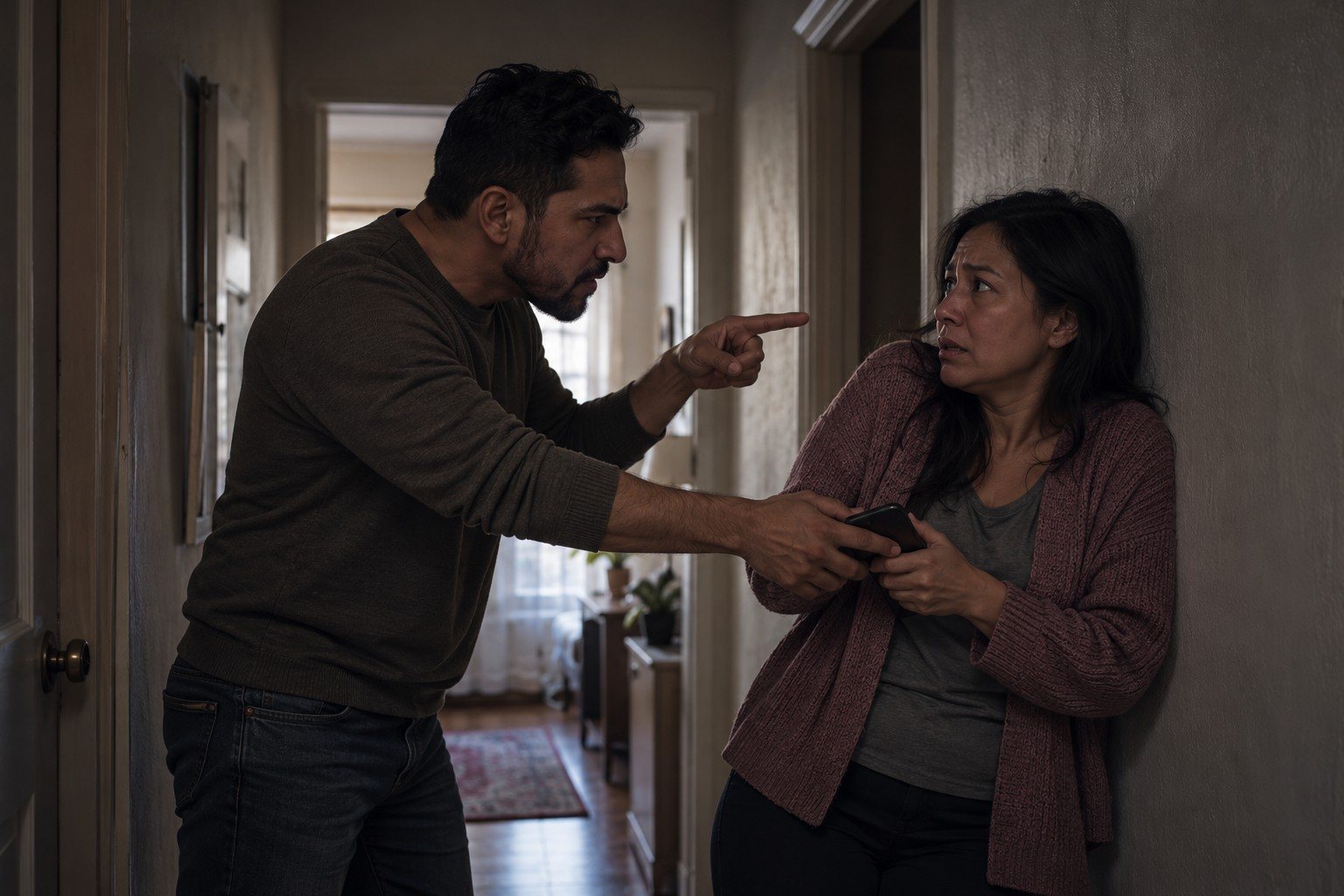
If the abuser is already in a court case with you

If there is a criminal charge against you, including one the abuser started, talk to your criminal lawyer before you write anything down about the abuse, and before you file anything with immigration. What you write for an immigration case can matter in the criminal case. Read arrested or charged.
If there is a divorce or custody case, the family court will decide it under state law. Your immigration filing and your family case need to be planned together, by lawyers who talk to each other. Usher Law Group handles both.
If you are in danger now, call 911
The National Domestic Violence Hotline answers at 1-800-799-7233, or text START to 88788. In Florida, the statewide Florida Domestic Violence Hotline answers at 1-800-500-1119. An advocate there can help you make a safety plan. We are lawyers; a safety plan is made with an advocate, and we will work around it.
Divorce, custody and family court, handled by the same firm that files your VAWA case.
Family and divorce law →
myimmigrationplea.comWhat a domestic violence charge or plea does to immigration status, before you plead.
Domestic violence offenses →
Read next: will my abuser find out, threats of deportation, the safe filing checklist, or the VAWA self-petition.
Common questions
Will USCIS tell my spouse that I filed a VAWA petition?
No. Under 8 U.S.C. 1367(a)(2), the Department of Homeland Security, the Department of Justice and the State Department may not disclose information about a VAWA applicant to anyone, with limited exceptions listed in 1367(b). USCIS does not interview the abuser about your petition or send them a copy.
My abuser says they will tell immigration I lied. Can that be used against me?
Under 8 U.S.C. 1367(a)(1), those agencies may not make an adverse determination of admissibility or deportability using information furnished solely by the abuser or the abuser's family, unless you have been convicted of a crime listed in INA 237(a)(2). Under USCIS Policy Alert PA-2025-34 (December 22, 2025), USCIS does not apply that rule to the denial of an I-360, I-751 or I-765V. They can still look at other evidence. That is why your own record matters, and why we build it with you.
Does 1367 stop my abuser from calling ICE?
No. The statute limits what federal agencies may do with information. It does not stop anyone from making a call. That is the firm's reading of the statute's scope, and it is why we plan for that possibility with you.
Does VAWA confidentiality apply in family court?
Not as a rule. In the firm's reading, 8 U.S.C. 1367 binds federal agencies; it does not bind a state family court or criminal court. What you file or say in a divorce, custody or criminal case can be seen by the other side. Talk to your family or criminal lawyer before you file or testify about your immigration case there.
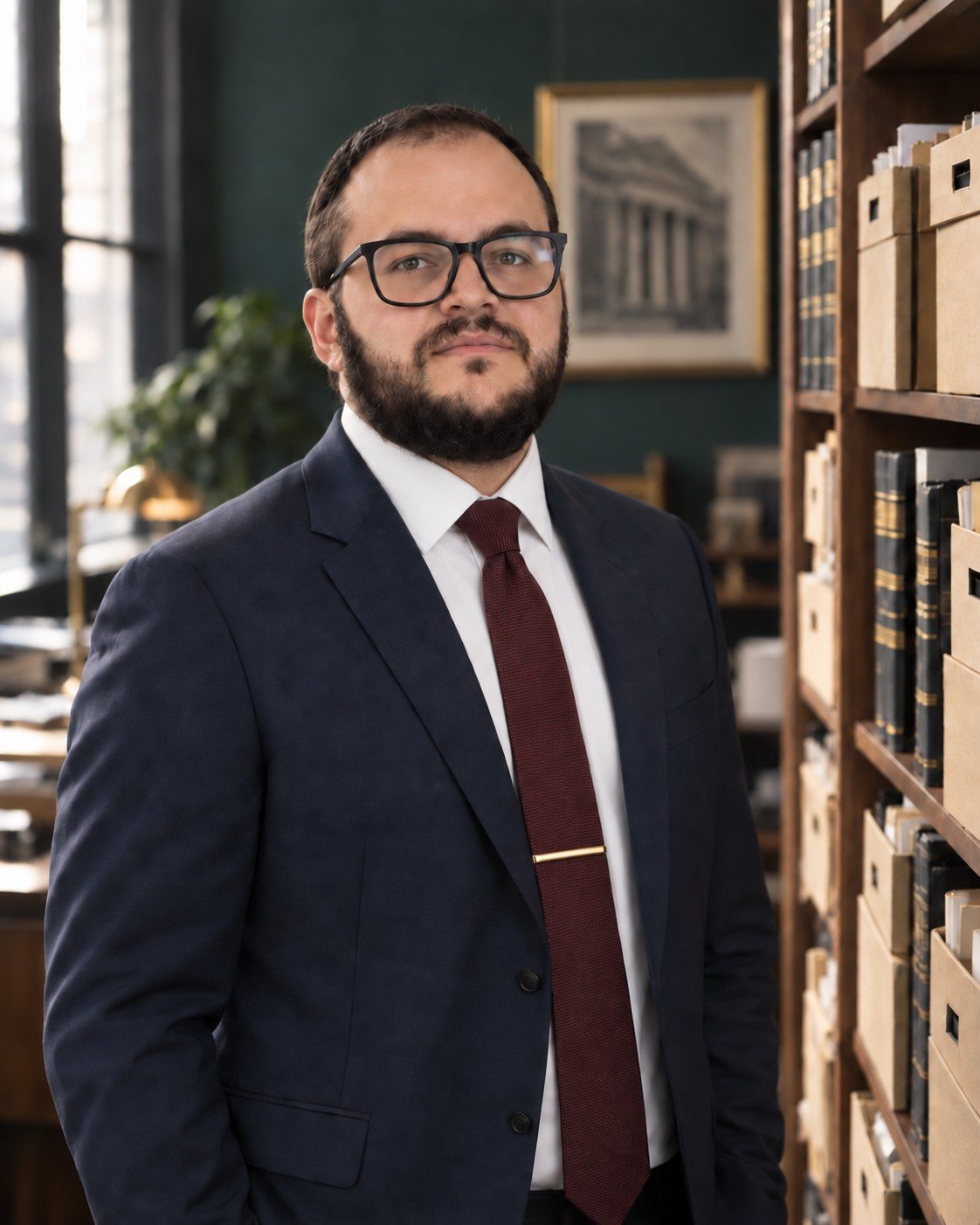
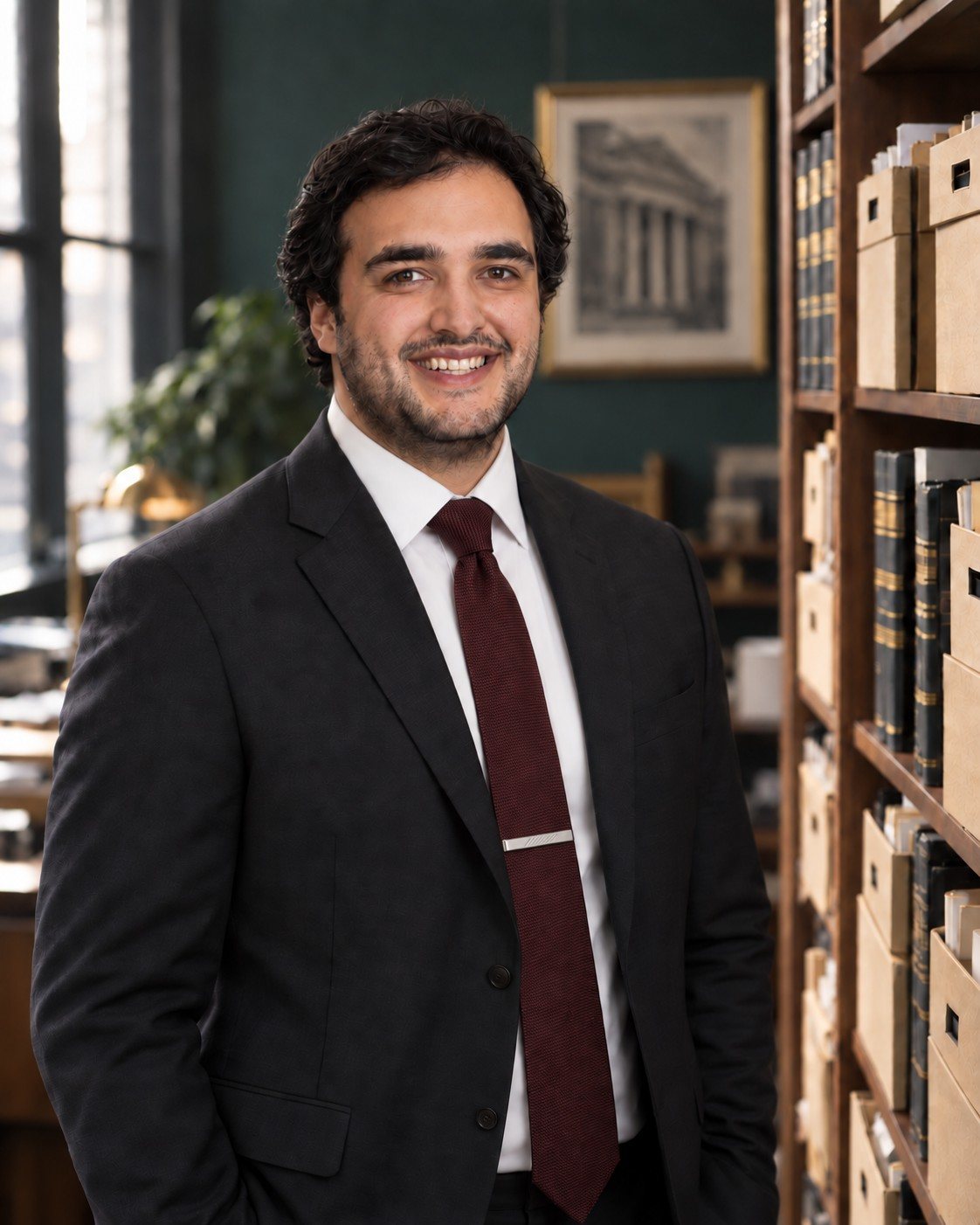
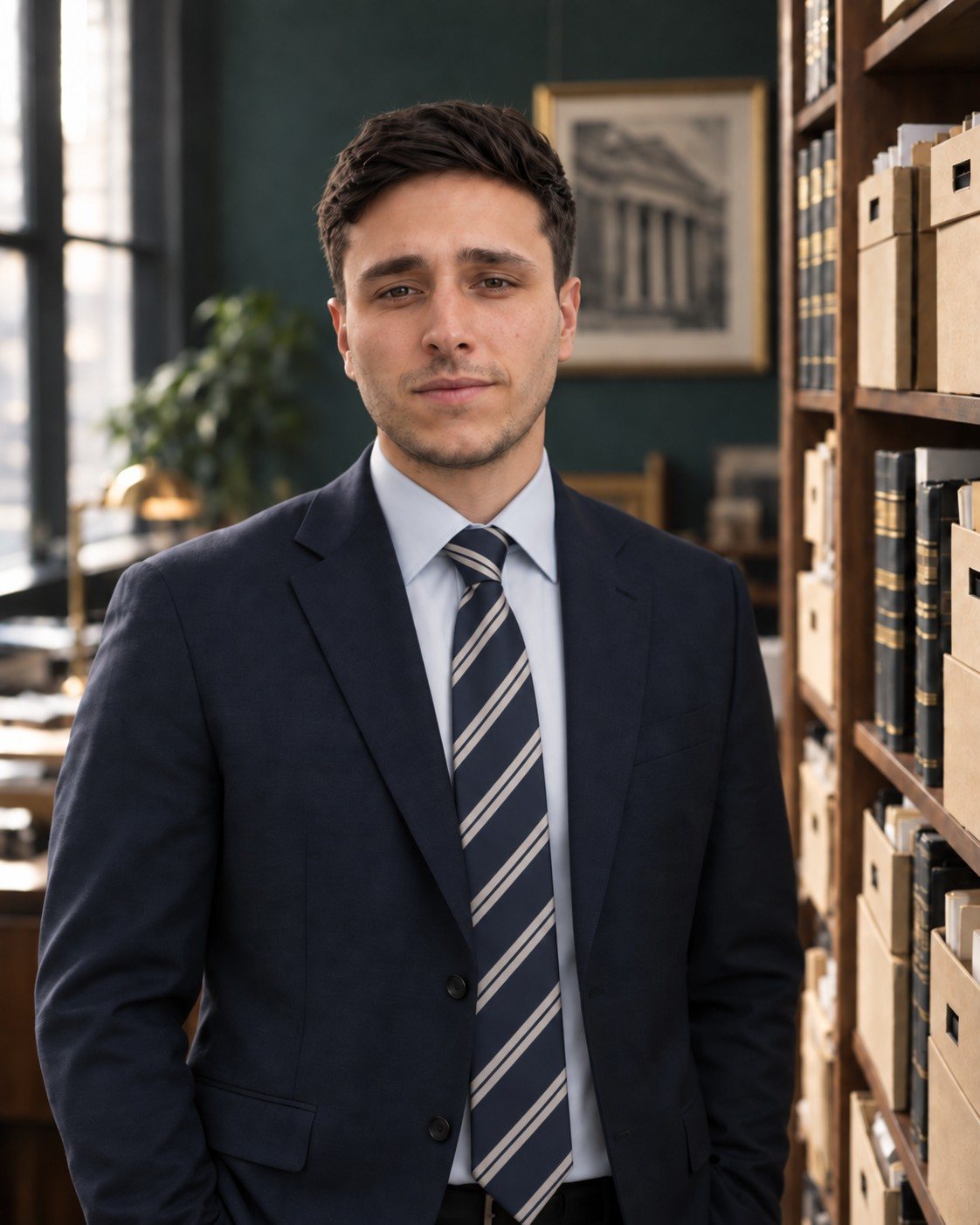
The lawyers who will handle your case
One of them calls you back, privately, on your terms.
Talk to a lawyer privately. You decide how we reach you.
Tell us a safe number or email and a safe time, and whether we can leave a message. We never contact the person who hurt you, and we never call from a number or send anything that names this site. The first conversation is free and confidential, in English, Russian, Spanish or Uzbek, with a live interpreter for any other language.