
Getting the U visa certification
A U visa petition requires a certification on Form I-918 Supplement B, signed by law enforcement, stating that you were the victim of a qualifying crime and have been helpful. Without it the petition cannot go forward. Getting it is usually the first task and often the hardest one.
Current as of October 2026. We re-check this page every quarter and after any change in the law.
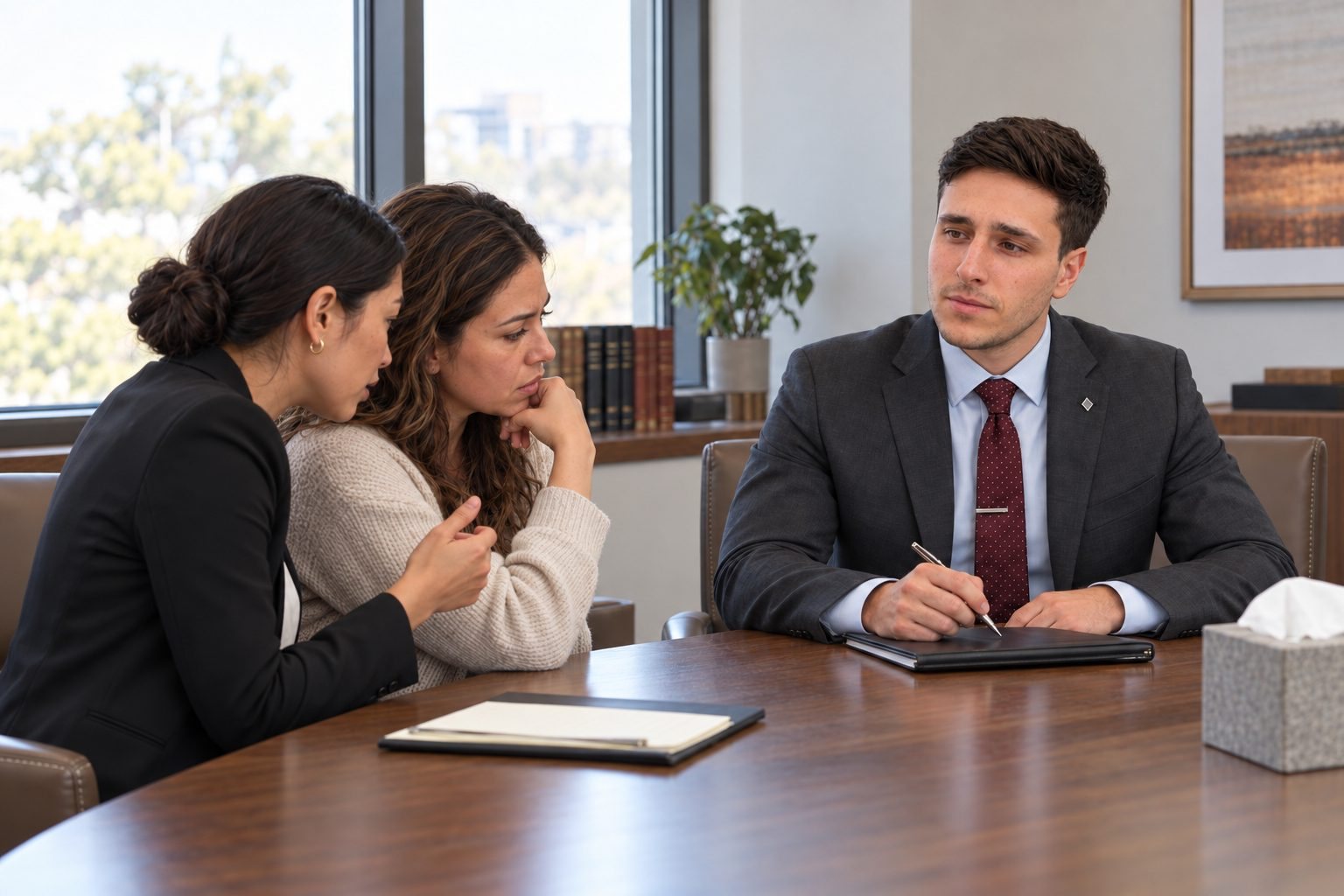
The U visa is for a victim of a qualifying crime, such as domestic violence, who has been helpful to law enforcement. USCIS does not take your word alone for the helpful part. It wants law enforcement to say so, in writing, on a specific form.
What the certification is

Form I-918 Supplement B is a certification signed by law enforcement. INA 214(p) and 8 C.F.R. 214.14 require it with every U visa petition. It is filed together with Form I-918, the petition itself, and it is decided by USCIS, which has exclusive jurisdiction over the U visa.
Two things follow. First, a petition without a signed certification is not ready to file. Second, nobody at USCIS can sign it for you. It comes from the agency that dealt with the crime.
Who can sign, and when

- A certifying agency is a law enforcement agency, prosecutor, judge or other authority with responsibility for investigating or prosecuting the crime. That includes child protective services, the Equal Employment Opportunity Commission and the Department of Labor (8 C.F.R. 214.14(a)(2)).
- A certifying official is the head of the agency, a supervisor the head has specifically designated, or a federal, state or local judge (8 C.F.R. 214.14(a)(3)).
- Timing. The certification must be signed within the 6 months before the I-918 is filed (8 C.F.R. 214.14(c)(2)(i)). Plan the filing date around the signature date.
These rules are stated as of October 2026. The Form I-918 page on uscis.gov carries the official instructions.
How a lawyer asks for it

The request is a letter and a package, not a phone call. In outline:
- Find the record. The date of the incident, the agency that responded, and any report or case number. If you do not have them, a lawyer can often find them through records requests.
- Find the right office and official. Some agencies route these requests to one unit. The signer must be the agency head, a designated supervisor, or a judge.
- Send a complete request. A pre-filled form, a short explanation of the crime and of how you helped, and copies of the records.
- Follow up, politely and in writing. Agencies receive many requests. A file that is easy to sign gets signed sooner.
You do not have to do this yourself, and you should not have to explain the abuse again to a stranger at a front desk. That is part of what a lawyer is for.
Keep copies somewhere safe
If you have a police report number or court papers, keep a copy where the abuser cannot reach it: with a trusted person, an advocate, or your lawyer. The safe filing checklist covers where to keep papers and how to receive mail safely.
If the certification will not come
Sometimes there was no report, the agency will not sign, or calling the police is not safe. That is not the end. A judge, a prosecutor, or an agency such as child protective services may be a certifying agency too. If the abuser is a U.S. citizen or green card holder spouse or parent, the VAWA self-petition needs no certification at all: under INA 204(a)(1)(J), USCIS must consider any credible evidence. If you have a conditional green card, look at the I-751 abuse waiver. If you are in immigration court, VAWA cancellation needs no certification either.
Arrests, cross-complaints and the certification
If the abuser also made a complaint against you, the record the agency holds may name you too. Read arrested or charged and talk to your criminal lawyer before writing anything down. The certification request is timed around the criminal case, not the other way around.
Read next: the U visa, from U visa to green card, how your information is protected, or other paths compared.
Common questions
Can I file the U visa without the certification?
No. Under INA 214(p) and 8 C.F.R. 214.14, a certification on Form I-918 Supplement B signed by law enforcement is required with the petition. That is why the certification request starts before anything else.
Does the abuser have to be arrested or convicted?
No. The abuser does not have to be convicted, or even arrested. The elements in INA 101(a)(15)(U)(i) and 8 C.F.R. 214.14(b) ask whether you have been, are being or are likely to be helpful in the investigation or prosecution of the crime, and the certifying agency signs Form I-918 Supplement B to say so. A case can be at the investigation stage. What you need is the certification and the other elements, not a conviction.
How old can the signed certification be?
It must be signed within the 6 months before the I-918 is filed (8 C.F.R. 214.14(c)(2)(i), as of October 2026). If it is older, a new one is needed.
Will requesting the certification tell the abuser anything?
We cannot promise how any police department or prosecutor handles its own files. What we can say is that the request comes from your lawyer, we never contact the abuser, and federal immigration agencies are bound by the confidentiality rules in 8 U.S.C. 1367. A local agency is a different body, and we plan the request with that in mind.
The lawyers who will handle your case
One of them calls you back, privately, on your terms.
Talk to a lawyer privately. You decide how we reach you.
Tell us a safe number or email and a safe time, and whether we can leave a message. We never contact the person who hurt you, and we never call from a number or send anything that names this site. The first conversation is free and confidential, in English, Russian, Spanish or Uzbek, with a live interpreter for any other language.