
The abuser called ICE
A call is not a decision. Under 8 U.S.C. 1367(a)(1), the government may not find you inadmissible or deportable using information that comes only from the abuser or their family, unless you have a conviction listed in INA 237(a)(2). But the statute does not stop the call, and ICE may act on other information it has. If that has happened, VAWA has protections in immigration court too.
Current as of October 2026. We re-check this page every quarter and after any change in the law.
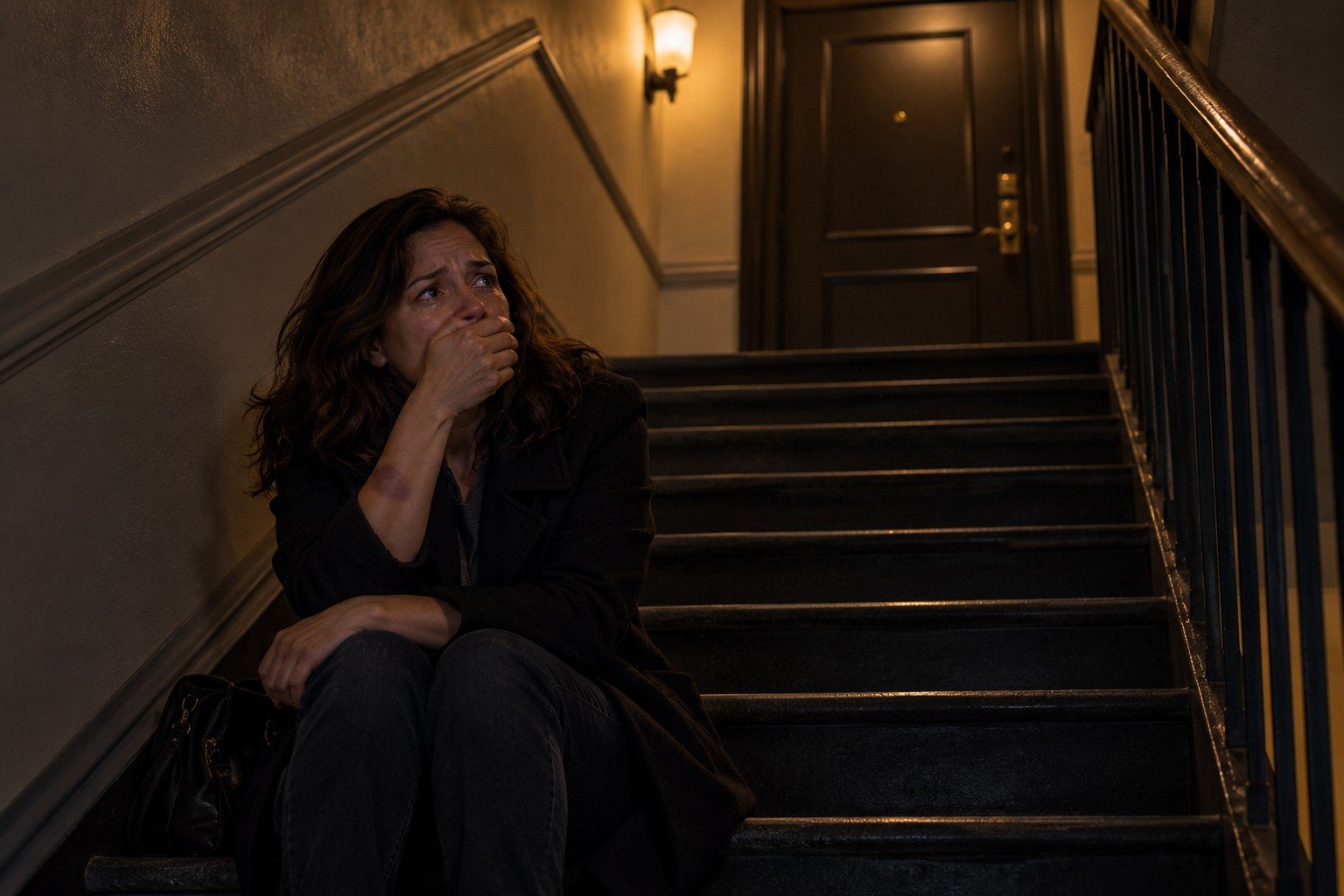
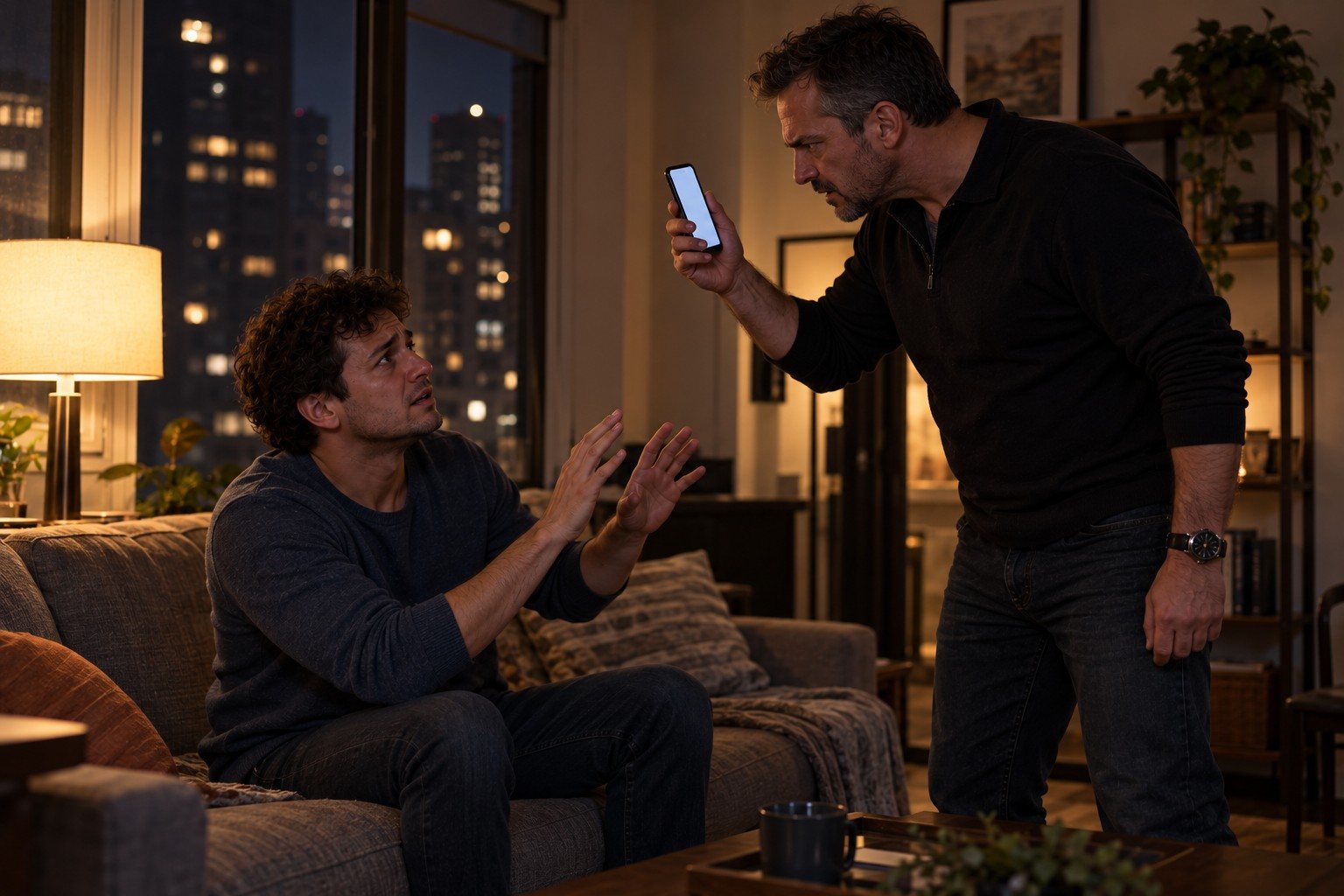
Many abusers threaten to call immigration. Some do. If it has happened to you, the steps below are in order. If you have been arrested or detained, someone you trust should call us at (718) 484-7510, and read if a survivor is detained.
What the law says about the report

- The abuser's word alone is not enough to find you deportable. Under 8 U.S.C. 1367(a)(1), the Department of Homeland Security and the Department of Justice may not make an adverse determination of admissibility or deportability using information furnished solely by the abuser or a member of the abuser's family. The rule does not apply if you have been convicted of a crime listed in INA 237(a)(2). USCIS also does not apply it to the denial of an I-360, I-751 or I-765V (PA-2025-34).
- They may not tell the abuser what happens next. Under 8 U.S.C. 1367(a)(2), information about a VAWA, T or U applicant may not be disclosed to anyone, with limited exceptions. That protection ends once an application is denied and all appeals are exhausted.
- What the statute does not do. In the firm's reading, it does not stop the call, and it does not stop ICE from acting on information it already has from another source, such as an old order or a criminal record. See confidentiality.
Shelters, service providers and protection-order courts
When enforcement happens at a domestic violence shelter, a rape crisis center, a supervised visitation center, a family justice center, a victim-services provider, a community-based organization, or a courthouse where you are appearing in a protection-order, custody or other abuse-related case, the Notice to Appear must state that the government complied with 8 U.S.C. 1367, under INA 239(e). See enforcement at protected places.
What to do, in order
- Get safe. If you are in danger, call 911. The National Domestic Violence Hotline answers at 1-800-799-7233, or text START to 88788. In Florida, the statewide Florida Domestic Violence Hotline answers at 1-800-500-1119.
- Talk to a lawyer before you talk about your case. If officers ask you questions, ask to speak with your lawyer first. Do not sign anything you cannot read or do not understand.
- Find out what, if anything, was filed. A removal case starts with a Notice to Appear. If you received one, keep it and bring it to us. If you did not, there may be no case at all.
- Consider filing your own petition now, if you have not. If you qualify for a self-petition, filing it puts your account in front of USCIS. See the VAWA self-petition.
- If there is a criminal charge, start there. Talk to your criminal lawyer before you write anything down about the abuse. Read arrested or charged.
If you are in immigration court

VAWA has its own forms of relief before an immigration judge.
- VAWA cancellation of removal, under INA 240A(b)(2): battery or extreme cruelty by a U.S. citizen or permanent resident spouse or parent (or by the parent of your child); 3 years of continuous physical presence; good moral character; not barred by specified grounds or an aggravated felony; and extreme hardship to you, your child or your parent. Unlike the self-petition, extreme hardship is an element here. See VAWA cancellation.
- The VAWA motion to reopen, under INA 240(c)(7)(C)(iv), if there is already a final order: within 1 year of the order, a deadline that can be waived for extraordinary circumstances or extreme hardship to a child; the usual one-motion limit does not prevent one such motion; you must be physically present. See the VAWA motion to reopen.
- The domestic violence waiver, under INA 237(a)(7), for a person charged with the domestic violence deportability ground who was battered or subjected to extreme cruelty and was not the primary perpetrator, if the judge also finds self-defense, a violation of a protection order meant to protect them, or a crime with no serious bodily injury connected to the abuse. See the 237(a)(7) waiver.
The court side is explained in full on VAWA in immigration court.
How a removal case works from the Notice to Appear to the final hearing.
Removal proceedings →
myimmigrationplea.comIf the abuser's complaint led to a charge against you, what a plea would do to your status.
Domestic violence offenses →
Read next: VAWA in immigration court, if a survivor is detained, threats of deportation, or confidentiality.
Common questions
Can ICE deport me because my abuser reported me?
Not on the abuser's word alone. Under 8 U.S.C. 1367(a)(1), DHS and the Department of Justice may not make an adverse determination of admissibility or deportability using information furnished solely by the abuser or the abuser's family, unless you have been convicted of a crime listed in INA 237(a)(2). ICE can still act on other information. If you are placed in removal proceedings, VAWA cancellation under INA 240A(b)(2) may be available.
I already have a deportation order. Is it too late?
Not always. A VAWA motion to reopen can be filed within one year of the final order, and the deadline can be waived for extraordinary circumstances or extreme hardship to a child, under INA 240(c)(7)(C)(iv). The usual one-motion limit does not prevent one such motion, and you must be physically present in the United States. Call a lawyer as soon as you can.
What should I do if officers come to the door?
Stay safe and stay calm. Before you answer questions about your case, ask to speak with your lawyer. Do not sign papers you cannot read or do not understand. Keep the firm's number, (718) 484-7510, somewhere you can reach it without your phone.
The lawyers who will handle your case
One of them calls you back, privately, on your terms.
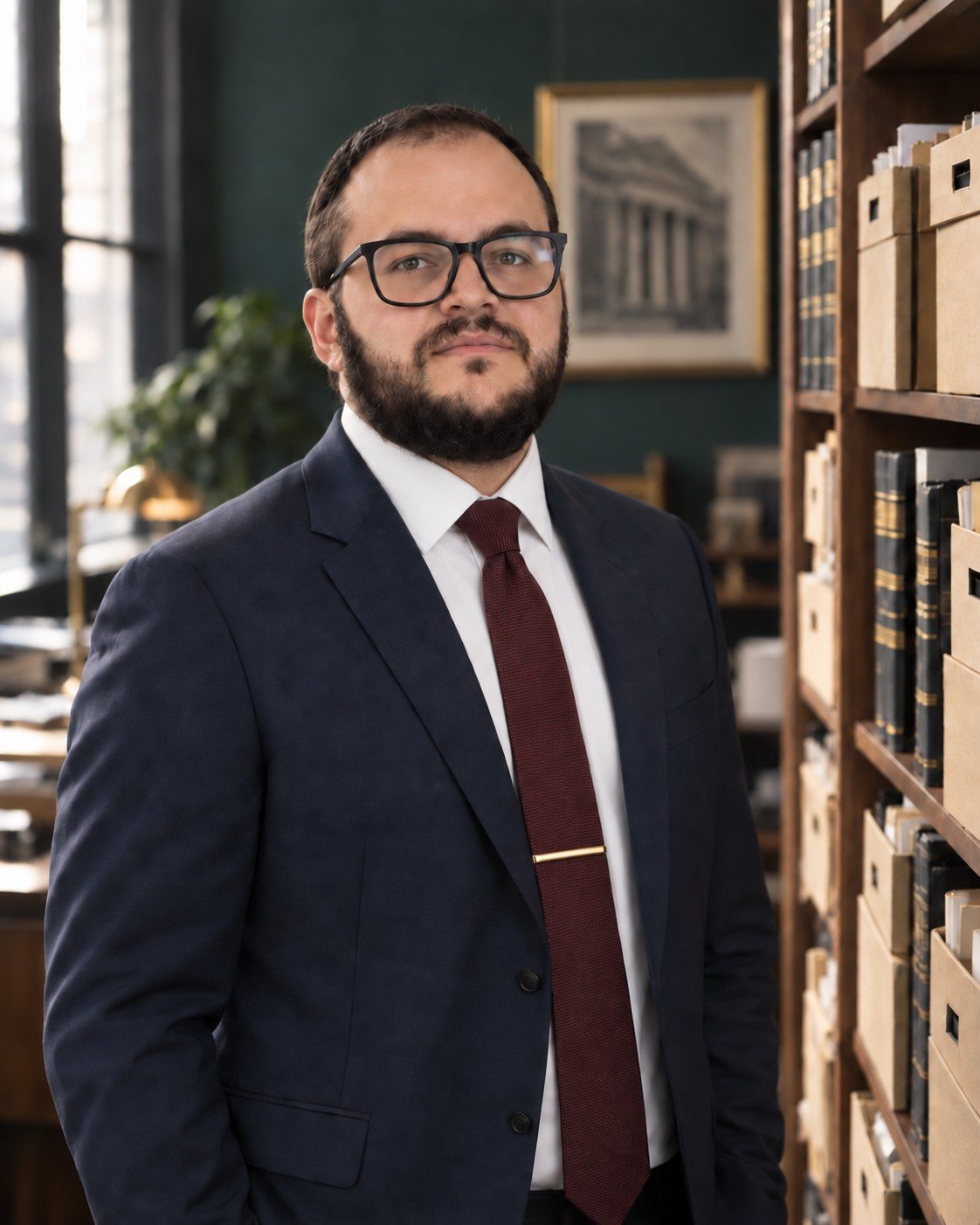
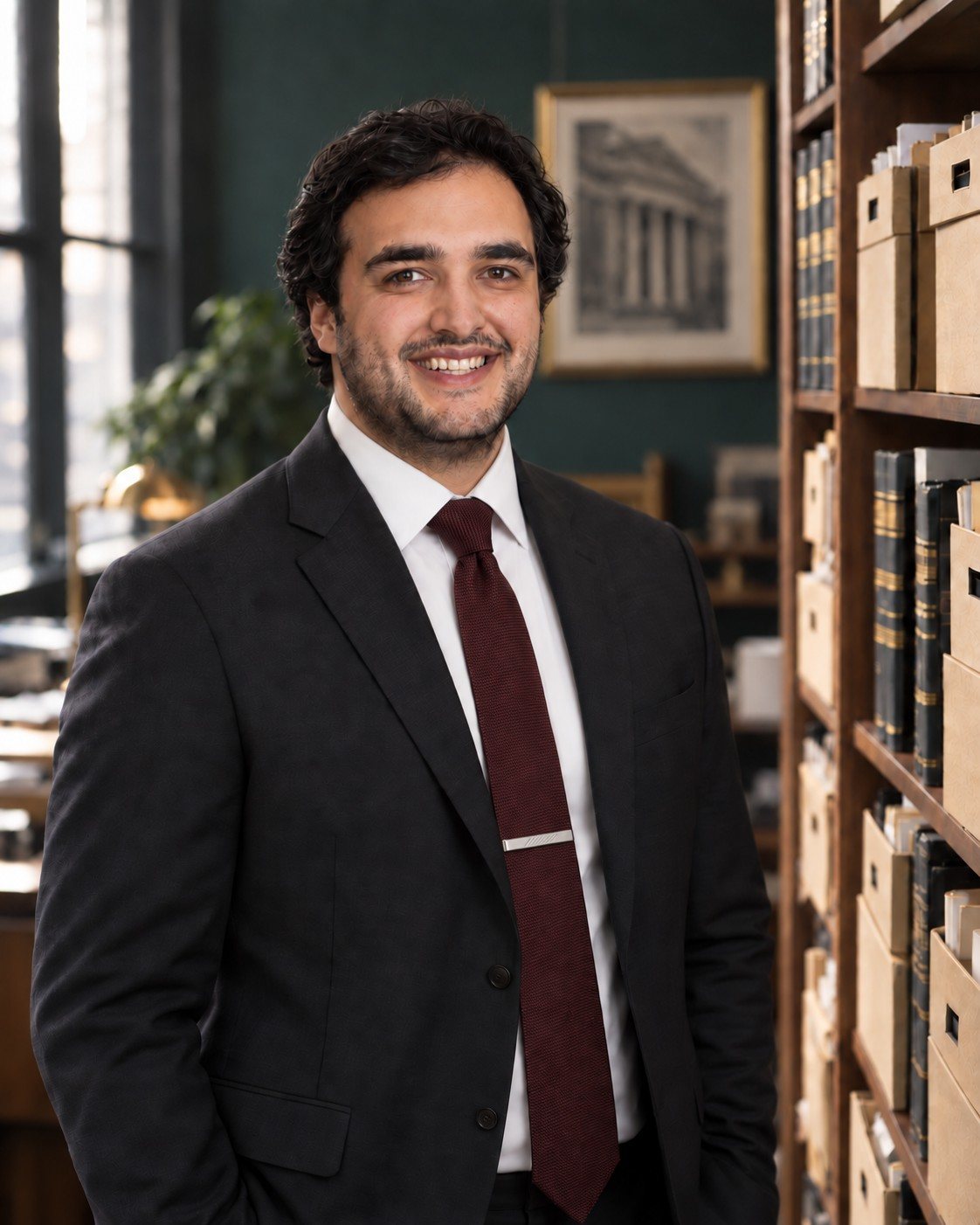
Talk to a lawyer privately. You decide how we reach you.
Tell us a safe number or email and a safe time, and whether we can leave a message. We never contact the person who hurt you, and we never call from a number or send anything that names this site. The first conversation is free and confidential, in English, Russian, Spanish or Uzbek, with a live interpreter for any other language.