
When the abuser threatens to have you deported
The threat is usually the abuser's strongest hold, and it is weaker than it sounds. If the abuser is a U.S. citizen or green card holder spouse, parent or adult son or daughter, federal law lets you petition for yourself, without them. The threats themselves can be part of the abuse the law recognizes.
Current as of October 2026. We re-check this page every quarter and after any change in the law.
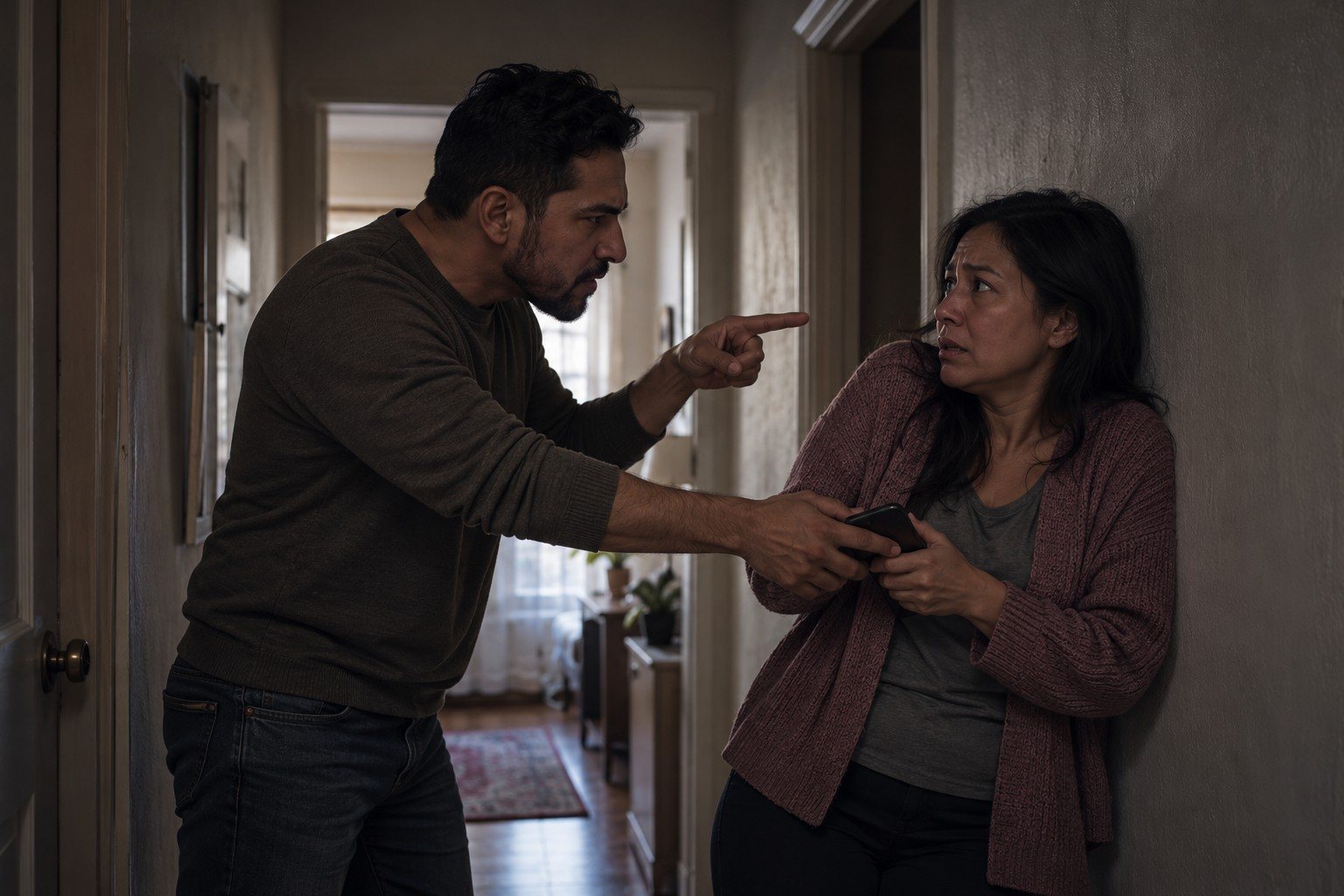
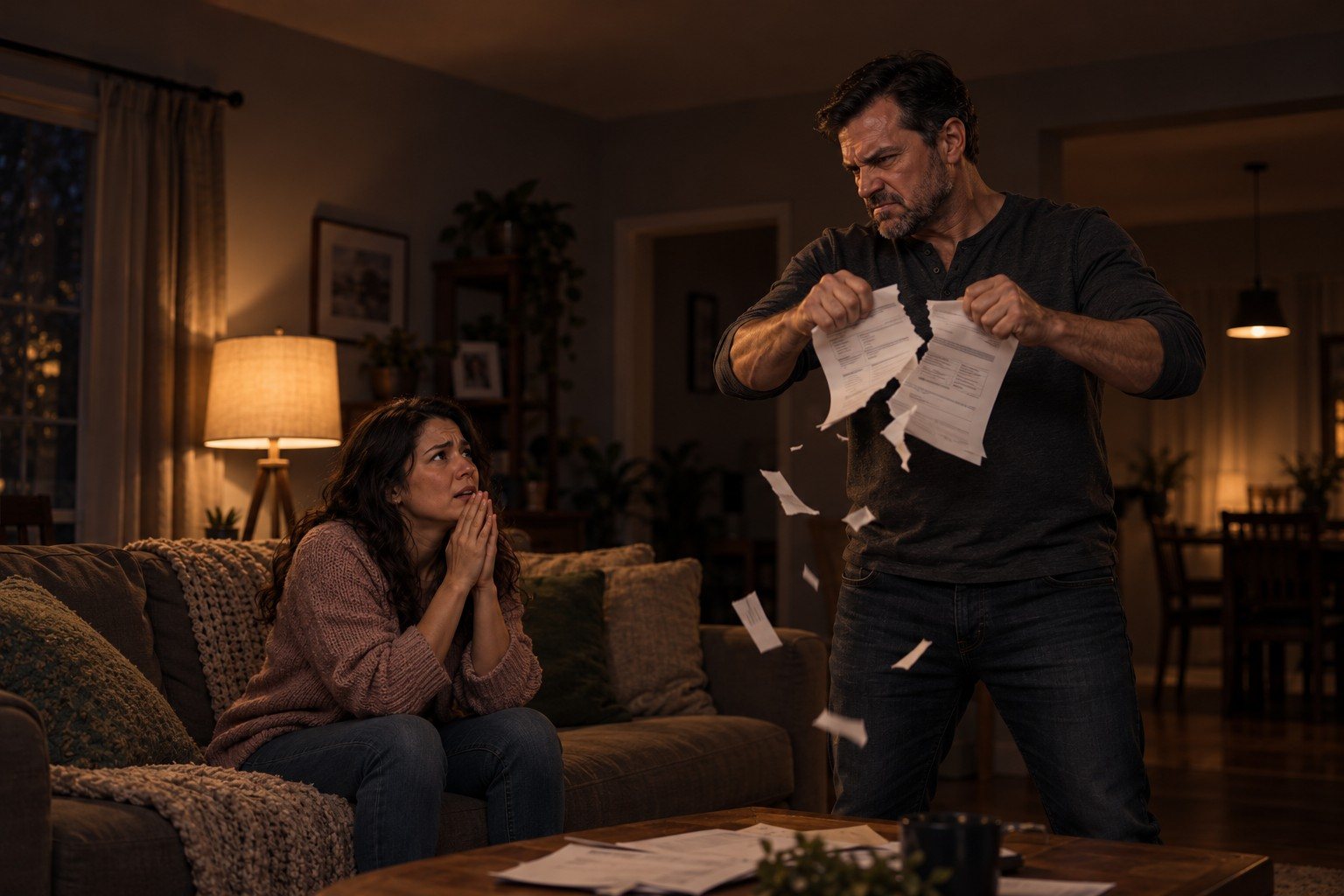
"I will call immigration." "You will never see the children again." "Without me you have nothing." If you have heard words like these, you are not alone, and they are not the law. This page explains what the abuser can and cannot do to your status, and what the law says about the threats themselves.
What the abuser does not control

- Your right to file. An abused spouse of a U.S. citizen may self-petition for immediate-relative classification on Form I-360 under INA 204(a)(1)(A)(iii). An abused spouse of a lawful permanent resident may self-petition for second-preference (F2A) classification under INA 204(a)(1)(B)(ii). Abused children and abused parents of adult citizen sons and daughters have their own provisions. See who qualifies.
- The petition once it is filed. The abuser is not a party to it. If a permanent resident abuser naturalizes after you file, the petition converts to immediate-relative classification. If a permanent resident abuser loses status after you file, the petition is not affected. Both rules are in INA 204(a)(1)(B)(v).
- Your place in line. If the abuser once filed an I-130 for you and then withdrew it or let it die, the priority date from that petition can carry to your self-petition under 8 C.F.R. 204.2(h)(2).
- What the government believes. Under 8 U.S.C. 1367(a)(1), the agencies may not make an adverse determination of admissibility or deportability using information that comes solely from the abuser or the abuser's family, unless you have been convicted of a crime listed in INA 237(a)(2). USCIS does not apply that rule to the denial of an I-360, I-751 or I-765V (PA-2025-34). See confidentiality.
The threats can be part of the abuse
Under 8 C.F.R. 204.2(c)(1)(vi), "battery or extreme cruelty" includes any act or threatened act of violence that results or threatens to result in physical or mental injury; psychological or sexual abuse or exploitation; and acts that may not initially appear violent but are part of an overall pattern of violence. Using your immigration status to control you can belong in that pattern.
Published court decisions describe exactly this. In Lopez-Birrueta v. Holder, 633 F.3d 1211 (9th Cir. 2011), the opinion records that the children's father threatened to alert immigration officials if the mother disobeyed him. In Da Silva v. Attorney General, 948 F.3d 629 (3d Cir. 2020), the opinion records that the citizen husband refused to file immigration paperwork for his wife and used her undocumented status to control her. In Hernandez v. Ashcroft, 345 F.3d 824 (9th Cir. 2003), the court explained that non-physical conduct can be domestic violence when tactics of control are intertwined with the threat of harm. These people are not our clients. Their cases are summarized, with links to the opinions, on real cases.
Write the threats down when it is safe to: what was said, roughly when, and who heard it. They belong in your declaration. See the declaration checklist and abuse without violence.
If the abuser is not a citizen or green card holder, or you never married

The self-petition depends on who the abuser is to you. If the abuser has no status, or you were never married, other doors may be open. Domestic violence is a qualifying crime for the U visa, the abuser need not be a citizen or permanent resident, and the parties need not be married, under INA 101(a)(15)(U)(iii). If you have conditional residence through the abuser, the battered-spouse waiver of the joint I-751 filing is in INA 216(c)(4)(C). Compare them on other paths.
If the abuser carries out the threat
If ICE has been called, or you have received a Notice to Appear, read the abuser called ICE. If you have been arrested or charged, including on a complaint the abuser made, talk to your criminal lawyer before you write anything down, and read arrested or charged.
Your safety comes first
We do not tell anyone to leave or to stay. That decision is yours, and a safety plan is made with an advocate. The National Domestic Violence Hotline answers at 1-800-799-7233, or text START to 88788. In Florida, the statewide Florida Domestic Violence Hotline answers at 1-800-500-1119. In danger now, call 911.
Read next: who qualifies, will my abuser find out, the abuser called ICE, or real cases.
Common questions
My spouse says I will lose my status if I leave. Is that true?
Not necessarily. An abused spouse of a U.S. citizen can self-petition under INA 204(a)(1)(A)(iii), and an abused spouse of a green card holder under INA 204(a)(1)(B)(ii). You do not need the abuser to sign or agree. Whether you qualify depends on the facts, so talk to a lawyer before you decide anything based on what the abuser told you.
My spouse filed a petition for me and then withdrew it. Is it over?
Not necessarily. You may be able to file your own self-petition, and under 8 C.F.R. 204.2(h)(2) the priority date from an earlier I-130 the abuser filed for you can carry over to it. Bring whatever you know about the earlier filing to the consultation, even a date or a photo of a receipt.
Can threats about my immigration status count as abuse?
They can. Under 8 C.F.R. 204.2(c)(1)(vi), battery or extreme cruelty includes threatened acts of violence, psychological abuse, and acts that may not seem violent alone but are part of an overall pattern of violence. Courts have described non-physical control tactics as domestic violence when they are tied to the threat of harm, as in Hernandez v. Ashcroft, 345 F.3d 824 (9th Cir. 2003).
What if the abuser loses their own status to get back at me?
If an abuser who was a permanent resident loses that status after you file, your petition is not affected under INA 204(a)(1)(B)(v). If the abuser lost or renounced status within the two years before you file, related to an incident of domestic violence, you may still be able to file. The timing matters, so get advice early.
The lawyers who will handle your case
One of them calls you back, privately, on your terms.



Talk to a lawyer privately. You decide how we reach you.
Tell us a safe number or email and a safe time, and whether we can leave a message. We never contact the person who hurt you, and we never call from a number or send anything that names this site. The first conversation is free and confidential, in English, Russian, Spanish or Uzbek, with a live interpreter for any other language.