
Will my abuser find out?
Not from the government. Federal law forbids USCIS, ICE, the immigration courts and the State Department from telling them. When an abuser does learn about a case, it is almost always through something at home: a letter, a phone, a copy of the papers, or a court case. Those are the doors to close.
Current as of October 2026. We re-check this page every quarter and after any change in the law.
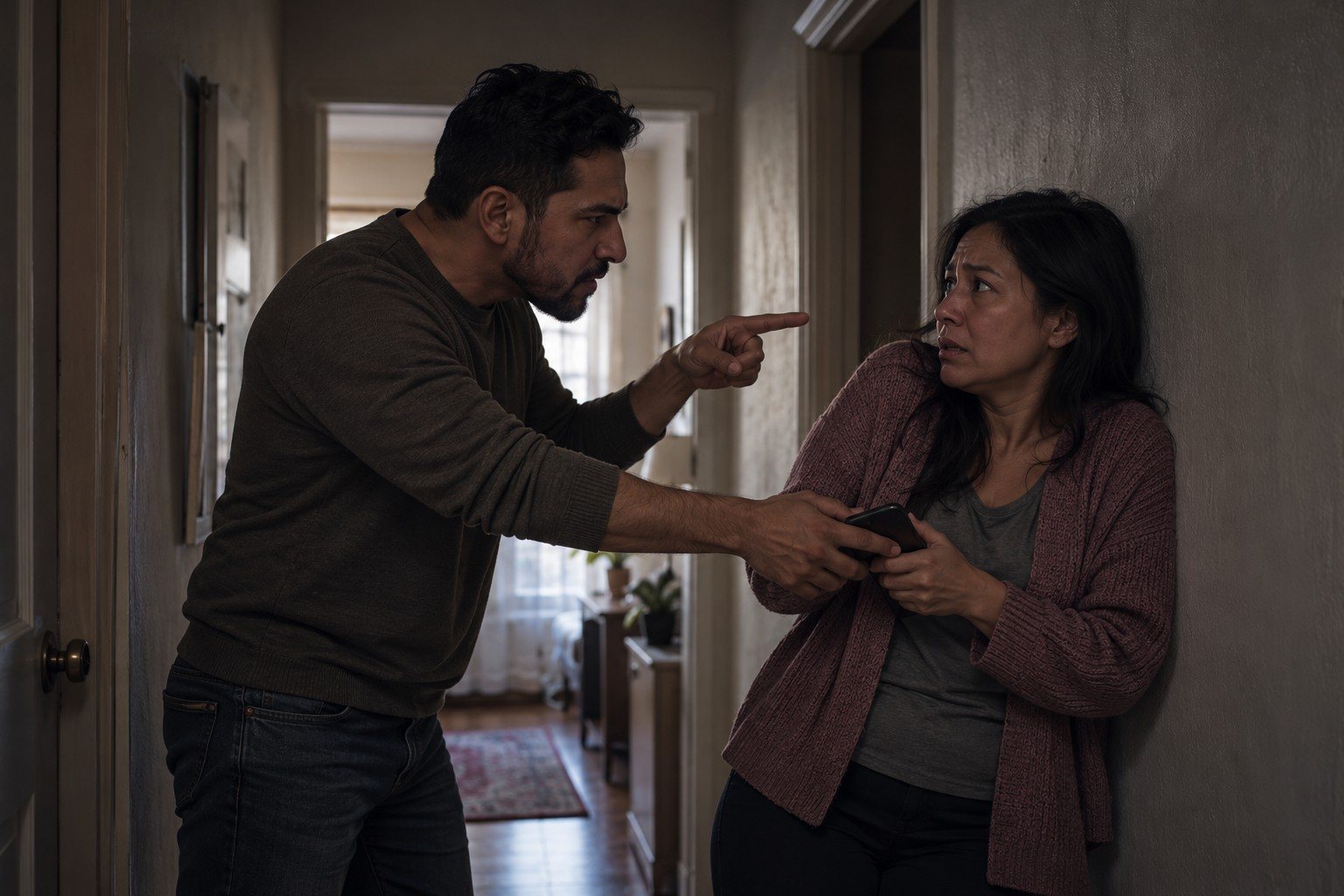
The short answer is that the law is on your side and the risk is practical. Under 8 U.S.C. 1367(a)(2), the federal immigration agencies may not disclose information about your VAWA case to anyone, with limited exceptions. Under 8 U.S.C. 1367(a)(1), they may not find you inadmissible or deportable using information that comes only from the abuser or the abuser's family, unless you have a conviction listed in INA 237(a)(2). The full rule, and its limits, are on confidentiality.
What the statute cannot do is control your mailbox, your phone or your kitchen table. That part is planning, and it is what this page is about.
How people usually find out, and what to do about each

Notices about an immigration case come by mail to the mailing address you list. If the abuser can reach that mailbox, a letter can reach them. Use a safe mailing address: a person you trust, or your lawyer's office. The safe filing checklist walks through it.
Phones and accounts
A shared phone plan can show call logs. A shared email or cloud account can show messages, photos of documents and saved files. A phone the abuser has handled may have location sharing turned on. Use a number and an email the abuser does not know and cannot open. See staying safe online.
Copies of your papers
A declaration, a photo of a form, a receipt notice left in a drawer. Keep the full set somewhere outside the home. Your lawyer can hold the originals and the complete copy.
People
Friends and relatives who write letters of support are part of many cases. Ask only people you trust not to repeat it, and tell them why it matters.
Court cases
Family court and criminal court are not bound by 8 U.S.C. 1367, in the firm's reading. A question in a custody hearing, a financial disclosure in a divorce, or a statement in a criminal case can bring the immigration case into the open. Before you say or file anything there, talk to the lawyer handling that case. If you have been arrested or charged, talk to your criminal lawyer before you write anything down. Read arrested or charged and divorce, custody and VAWA.
What the abuser is not part of

- The petition. A self-petition is filed by you. The abuser does not sign it, is not asked to consent, and is not interviewed about it.
- The evidence. USCIS must consider any credible evidence you submit, under INA 204(a)(1)(J) and 8 C.F.R. 204.2(c)(2)(i). You do not need the abuser's papers to file. See documents the abuser took.
- Their accusations. Information that comes only from the abuser or their family cannot be the basis for an adverse determination of admissibility or deportability, under 8 U.S.C. 1367(a)(1), unless you have a conviction listed in INA 237(a)(2). USCIS does not apply that rule to the denial of an I-360, I-751 or I-765V (PA-2025-34).
We never contact the abuser
Not to verify anything, not to serve anything in the immigration case, not ever. We do not call the abuser's lawyer or family. We reach you only the way you tell us is safe.
What we will not publish
This site does not explain how anyone could learn whether a particular person filed, and it does not help anyone find a person. Some readers of these pages are not survivors. We write with that in mind.
If you are in danger now, call 911
The National Domestic Violence Hotline answers at 1-800-799-7233, or text START to 88788. In Florida, the statewide Florida Domestic Violence Hotline answers at 1-800-500-1119. An advocate can help you plan around the risks on this page.
Read next: confidentiality under 8 U.S.C. 1367, the safe filing checklist, staying safe online, or threats of deportation.
Common questions
Will USCIS contact my spouse to check my story?
No. Under 8 U.S.C. 1367(a)(2), USCIS may not disclose information about a VAWA applicant to anyone, with limited exceptions in 1367(b). The petition is yours alone. You do not need the abuser's signature or cooperation, and they are not asked to take part.
Can my abuser look up whether I filed?
The immigration agencies may not disclose information about your case to the abuser under 8 U.S.C. 1367. This site does not explain how anyone could check, and it never will. The real risks are at home: mail, phones, shared accounts and papers.
What if we have a divorce or custody case?
A state family court is not bound by 8 U.S.C. 1367 in the firm's reading. If your immigration case comes up there, through a question, a document or a discovery request, the abuser's lawyer can see it. Plan the two cases together with your family lawyer before anything is filed or said.
The lawyers who will handle your case
One of them calls you back, privately, on your terms.
Talk to a lawyer privately. You decide how we reach you.
Tell us a safe number or email and a safe time, and whether we can leave a message. We never contact the person who hurt you, and we never call from a number or send anything that names this site. The first conversation is free and confidential, in English, Russian, Spanish or Uzbek, with a live interpreter for any other language.