
A request for evidence or a notice of intent to deny
A request for evidence means USCIS wants more before it decides. A notice of intent to deny means it is ready to deny unless your response changes its mind. Neither is a denial. An RFE allows at most 12 weeks and a NOID at most 30 days, with no extensions, so call us the day it arrives.
Current as of October 2026. We re-check this page every quarter and after any change in the law.
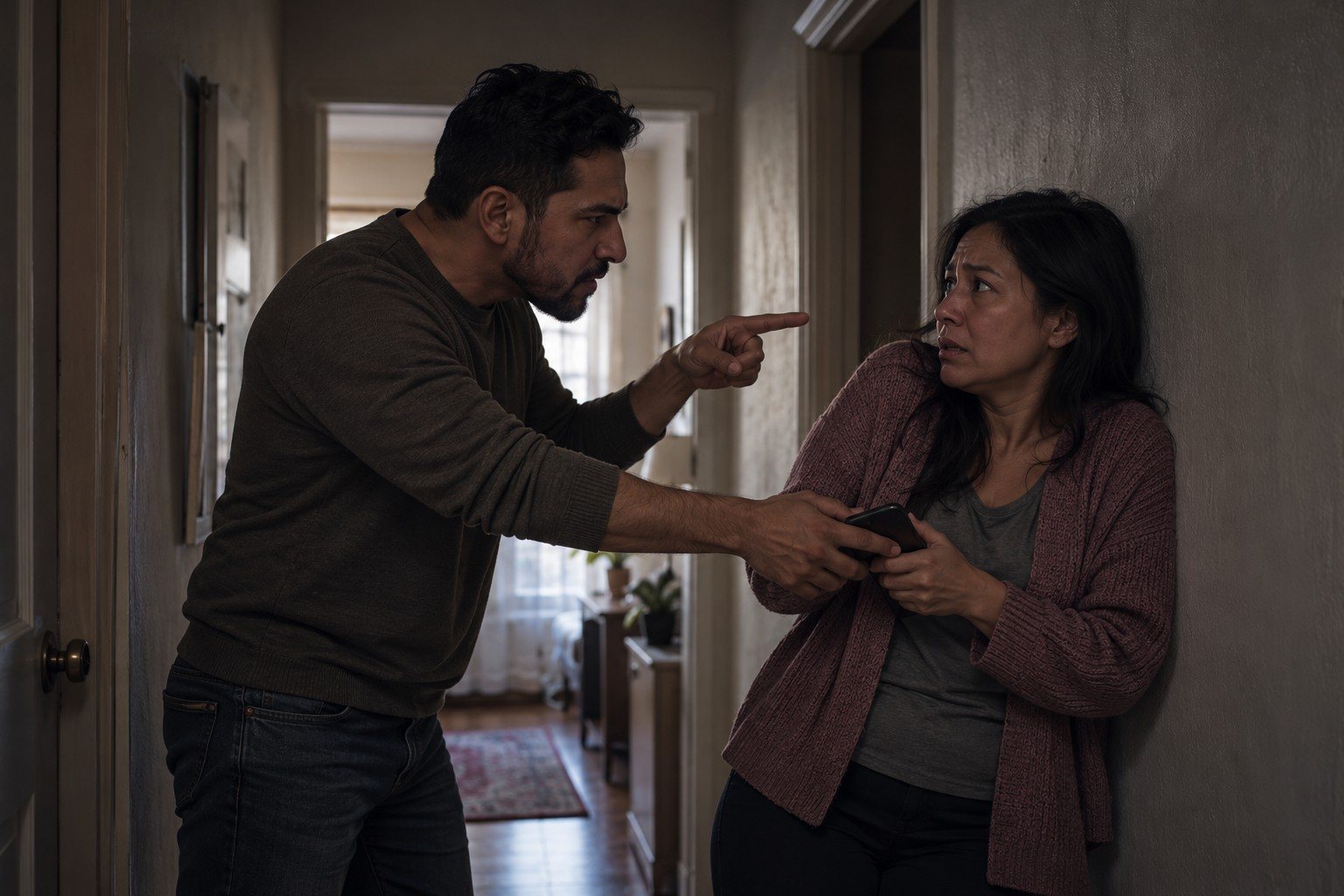
A notice from USCIS asking for more is frightening to open. Read it once, slowly, then put it somewhere safe and call us. It tells you two things you need: what the officer thinks is missing, and the date your response is due. Everything below is about using those two facts well.
Two kinds of notice

| Request for evidence (RFE) | Notice of intent to deny (NOID) | |
|---|---|---|
| What it says | The record is not yet enough on one or more points; send more | The officer intends to deny, and gives the reasons |
| Is it a denial? | No | No, not yet |
| Longest response period | 12 weeks | 30 days |
| Extensions | None | |
| Deadline that controls | The date printed on your notice. Call the day it arrives | |
| What to send | Evidence and explanation aimed at each point the notice raises | |
Authority: 8 C.F.R. 103.2(b)(8)(ii)-(iv); 3 USCIS-PM D.4(B), as of October 2026. If the initial evidence is missing or does not establish eligibility, USCIS may deny outright, send an RFE, or send a NOID. A NOID must state the bases for the proposed denial. Notices go by regular or electronic mail. The periods above are maximums; the date on your notice is the one that controls, so treat it as fixed.

Your three choices
Within the response period you may (8 C.F.R. 103.2(b)(11)):
- Submit a complete response with everything requested,
- Submit a partial response and ask for a decision on the record, or
- Withdraw the petition.
All requested materials go in together, with the original notice. Sending only some of it counts as a request for a decision on the record.
If no response arrives by the due date, the petition may be denied as abandoned, on the record, or both. Missing a required interview or fingerprint appointment is treated as abandonment unless a change of address or rescheduling request arrived first. An abandonment denial cannot be appealed, but a motion to reopen under 8 C.F.R. 103.5 is available (8 C.F.R. 103.2(b)(13), (b)(15)).
How a response is built
- Map every point. Each sentence in the notice that names a gap is listed and tied to an element: the abuser's status, the marriage, good faith, shared residence, the abuse, or good moral character.
- Answer each point directly. New evidence where it exists. Where it does not, a clear explanation of why, and what is offered instead. Under INA 204(a)(1)(J) and 8 C.F.R. 204.2(c)(2)(i), USCIS must consider any credible evidence.
- Add a supplemental declaration if needed. Specific facts that fill the gap the officer named, consistent with what you already said. See writing your declaration.
- Gather statements from others. People who knew you as a couple, saw where you lived, or saw the abuse or its effects.
- Send one complete response. Organized, indexed, before the deadline, with the notice on top. Every foreign-language document needs a full English translation, certified by the translator as complete and accurate, with the translator's certification of competence (8 C.F.R. 103.2(b)(3)).
Common gaps, and where to look for help: good-faith marriage, shared residence, abuse without violence, police clearances and good moral character, and evidence without documents.
What not to do
- Do not let the date pass. A late or missing response can mean a denial as abandoned or on the record the officer already found lacking.
- Do not contact the abuser for documents if doing so could put you at risk.
- Do not change your story to fit the notice. Fill the gap with facts. A new account that contradicts the first one does more harm than the gap.
- Do not write about an arrest before talking to your criminal lawyer. Then read arrested or charged.
If the abuser's information is in the notice
Under 8 U.S.C. 1367(a)(1), DHS may not make an adverse determination of admissibility or deportability using information furnished solely by the abuser or the abuser's family, unless the person has been convicted of a crime listed in INA 237(a)(2). That rule is narrower than it sounds. Under USCIS Policy Alert PA-2025-34 (December 22, 2025), USCIS does not apply it to the denial of an I-360, I-751 or I-765V. So if the notice seems to rest on the abuser's account, the response answers that account with your own evidence, and says where it came from. See confidentiality.
Where the notice went
If the notice arrived somewhere the abuser could see it, call us, and talk to a domestic violence advocate about safety. If you are in danger now, call 911.
Read next: any credible evidence, after you file, if the I-360 is denied, or the self-petition overview.
Common questions
How long do I have to respond?
The deadline is printed on the notice. Under 8 C.F.R. 103.2(b)(8)(iv), an RFE response period may not exceed 12 weeks and a NOID response period may not exceed 30 days, and no extensions are granted (as of October 2026). Your notice may give less. Call us the day the notice arrives, and keep the envelope.
What happens if I miss the deadline?
The petition may be denied as abandoned, on the record, or both (8 C.F.R. 103.2(b)(13)(i)). A denial for abandonment cannot be appealed, but a motion to reopen under 8 C.F.R. 103.5 is available (8 C.F.R. 103.2(b)(15)), as of October 2026.
Can I ask the abuser for the documents USCIS wants?
You do not have to, and you should not if it puts you at risk. USCIS must consider any credible evidence under INA 204(a)(1)(J). A response can explain why a document is unavailable and offer other credible evidence in its place.
The notice says something the abuser told them. What now?
Under 8 U.S.C. 1367(a)(1), the government may not make an adverse determination of admissibility or deportability using information furnished solely by the abuser or the abuser's family, unless you have been convicted of a crime listed in INA 237(a)(2). Under USCIS Policy Alert PA-2025-34, USCIS does not apply that rule to the denial of an I-360, I-751 or I-765V. So on the I-360, the response answers the abuser's account with your own evidence. Bring us the notice.
The notice went to an address the abuser can see. What do I do?
Call us and tell us what happened. We will work out a safe address for future notices and talk with you about safety right away. If you are in danger now, call 911.
The lawyers who will handle your case
One of them calls you back, privately, on your terms.



Talk to a lawyer privately. You decide how we reach you.
Tell us a safe number or email and a safe time, and whether we can leave a message. We never contact the person who hurt you, and we never call from a number or send anything that names this site. The first conversation is free and confidential, in English, Russian, Spanish or Uzbek, with a live interpreter for any other language.