
Writing your declaration
Your declaration is your sworn account, in your own words, of the relationship, the abuse and your life. It is usually the most important document in a self-petition. It is written in sections, over several sessions, with your lawyer, and kept where the abuser cannot find it.
Current as of October 2026. We re-check this page every quarter and after any change in the law.
Under INA 204(a)(1)(J), USCIS must consider any credible evidence. Your declaration is evidence, and often the evidence that ties everything else together. This page explains how a declaration is organized and how it gets written. It does not offer a sample story. Yours is the only one that belongs in your petition.
How a declaration is organized

The sections follow the elements the officer has to find (INA 204(a)(1)(A)(iii) and (B)(ii); 8 C.F.R. 204.2(c)(1)(i)). A spouse's declaration usually runs in this order:
- Who you are. Where you are from, your family, your work or studies, how you came to the United States.
- The relationship. How you met, how it grew, why you decided to marry. This is the good-faith section. See good-faith marriage.
- The life you shared. Where you lived and when, daily routines, children, plans. This covers shared residence.
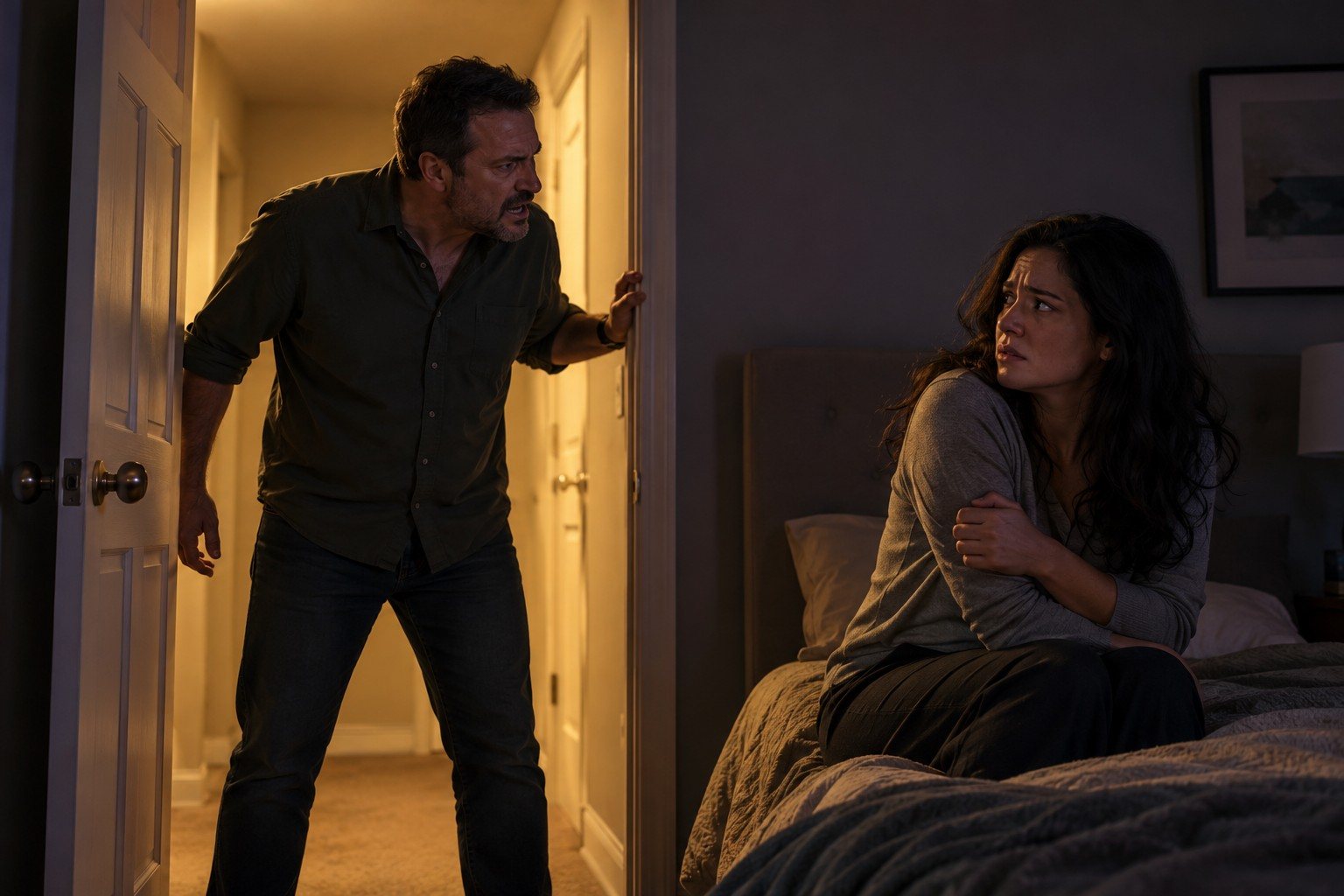
- The abuse. When it started and how it changed. Specific events, with the date or closest anchor, the place, what was said or done, and who saw or heard. Then the pattern: how often, and what everyday control looked like. See battery or extreme cruelty.
- The effect on you. Health, sleep, work, fear, contact with family. Any help you sought, from a doctor, counselor, clergy, friend or the police.
- Where things stand. Whether you still live together, whether the marriage ended and when. Facts only, no plans you are not ready to share.
- Your character. Your life apart from the abuse: work, family, community. Any arrest, written only after advice from your criminal lawyer. See good moral character.
- Your children, if any are on the petition. See children on your petition.
An abused child's or parent's declaration follows the same idea, with sections fitted to that petition. See abused child or abused parent.
How it gets written

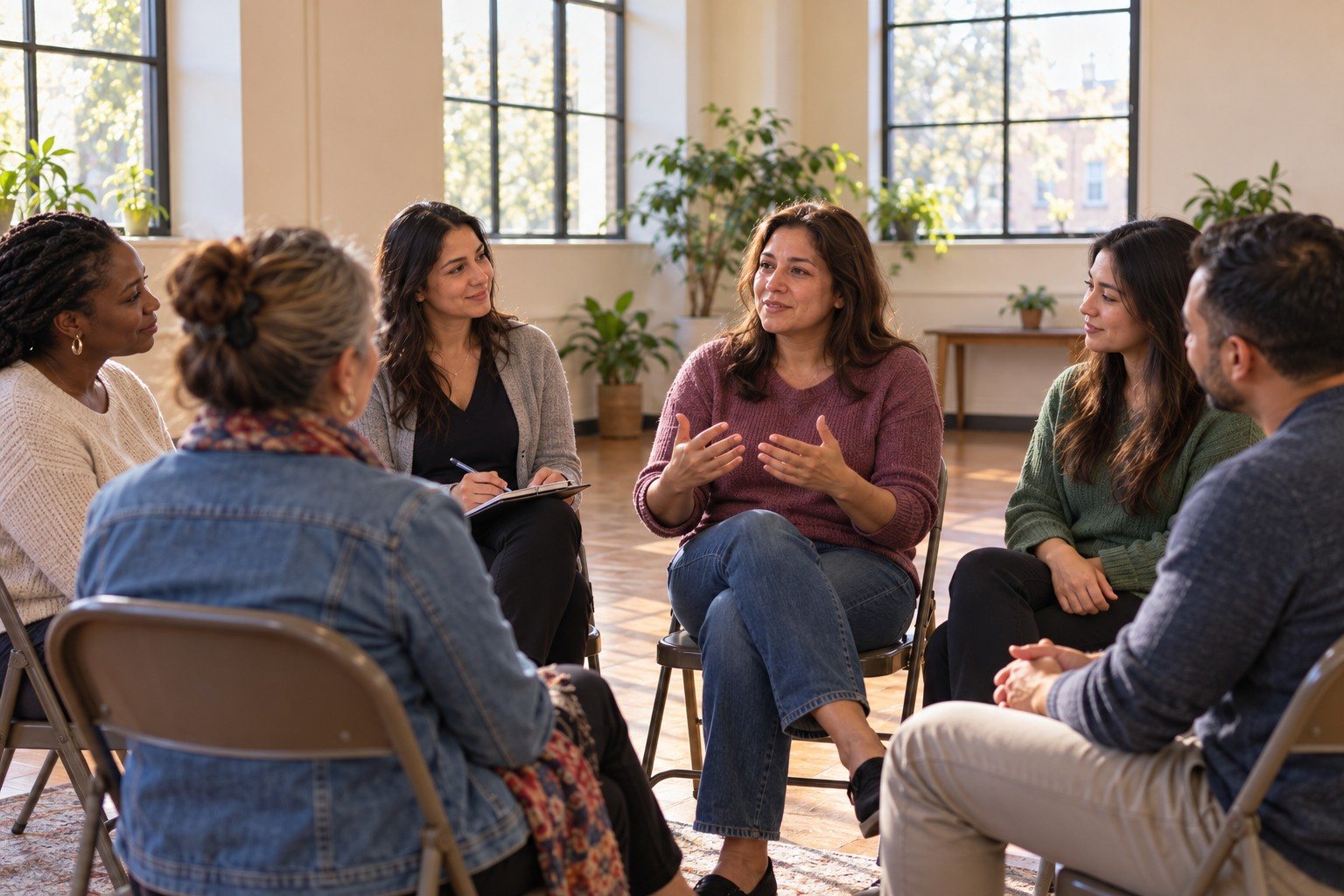
- In sessions, not in one sitting. We start with a timeline: moves, jobs, children, the wedding, the worst events. Then one section at a time. You can stop whenever you need to.
- In your language. You speak or write in the language you think in. We prepare the English version with you and read it back, line by line.
- In your words. We ask questions and organize. We do not put words in your mouth. An officer can tell a declaration that was written for someone.
- Checked against the documents. Dates and addresses are compared with leases, records and your forms, so there are no accidental contradictions.
- Sworn and signed only when you are sure. You sign when every line is true and accurate as you remember it.
The question list we use is on the declaration checklist.
What makes it credible
- Specifics over adjectives. What happened, where, and what was said carries more weight than words like "terrible" or "always."
- The whole truth, including the hard parts. Periods when things were good, times you went back, things you are not proud of. Leaving them out makes the rest harder to believe.
- Honest about memory. "I believe it was the spring of that year" is fine. A guess stated as fact is not.
- No exaggeration. The truth, told in detail, is what the law is built for.
Arrests come first
If you were ever arrested or charged, including on the abuser's complaint, talk to your criminal lawyer before you write anything about it. Then read arrested or charged.
Keep the drafts safe
A draft declaration is the most sensitive paper you will have. Do not leave it on a shared computer, in a shared cloud folder, or in a bag the abuser goes through. Read staying safe online and the safe filing checklist. If you are in danger now, call 911.
Read next: the declaration checklist, any credible evidence, evidence without documents, or the self-petition overview.
Common questions
Can I write it in my own language?
Yes. Most people should. You tell it best in the language you think in. We work in English, Russian, Spanish and Uzbek in-house, use live interpretation otherwise, and prepare the English version with you so you can confirm every line.
How long should it be?
As long as it needs to be to cover each element with specific facts, and no longer. Length is not the goal. Detail, order and honesty are.
What if I do not remember exact dates?
Say so, and give the closest anchor you can: a season, a holiday, a move, a child's age. Honest approximation is better than a precise date you are not sure of.
Can you give me a sample declaration to copy?
No, and we would not want you to use one. A declaration that sounds like someone else's is weaker, not stronger. We give you the structure and the questions, and the story is yours.
I was arrested during the relationship. Do I write about that?
Not before you talk to your criminal lawyer. What you write can matter in the criminal case. Once you have that advice, we decide together how the declaration addresses it.
The lawyers who will handle your case
One of them calls you back, privately, on your terms.


Talk to a lawyer privately. You decide how we reach you.
Tell us a safe number or email and a safe time, and whether we can leave a message. We never contact the person who hurt you, and we never call from a number or send anything that names this site. The first conversation is free and confidential, in English, Russian, Spanish or Uzbek, with a live interpreter for any other language.