
VAWA and entry without inspection
Most people who entered without being inspected cannot get a green card inside the United States. A VAWA self-petitioner can. The opening clause of INA 245(a) allows adjustment, once the petition is approved, even without inspection and admission or parole, and related rules soften the bars that usually follow an unlawful entry.
Current as of October 2026. We re-check this page every quarter and after any change in the law.

Many survivors were told that because they crossed the border without papers, the abuser was their only chance at status. That was never the whole law. This page explains the rules that apply at the green card stage, after or alongside the self-petition, and where each one asks you to show a link to the abuse. It is part of the guide to your green card after VAWA.
Adjustment without inspection and admission

Adjustment of status under INA 245(a) is usually open only to a person who was inspected and admitted or paroled. The opening clause of 245(a) makes an exception: a person with an approved VAWA self-petition may adjust status even without inspection and admission or parole. The statute pairs this with INA 212(a)(6)(A)(ii), which governs the ground of inadmissibility for being present without admission.
The substantial-connection rule
INA 212(a)(6)(A)(i) makes a person present without admission inadmissible. Under INA 212(a)(6)(A)(ii), that ground does not apply to a VAWA self-petitioner who shows a substantial connection between the battery or extreme cruelty and the unlawful entry. The connection is a fact, and facts are proved. What can show it depends on your history: when the abuse began, where it happened, and how and why you came in. We work it out with you from your own account, not from a checklist.
We do not publish a definition of "substantial connection" beyond the words of the statute. How USCIS applies it is something we explain at the consultation against your facts.
Unlawful presence: the three- and ten-year bars

INA 212(a)(9)(B)(iii)(IV) provides an exception to the three- and ten-year unlawful-presence bars for a battered spouse or child who meets the 212(a)(6)(A)(ii) test, with a substantial connection between the abuse and the violation of the terms of their nonimmigrant visa. As with entry, the connection has to be shown.
A prior removal and a return: the permanent bar

If you were deported or removed before and came back, the permanent bar in INA 212(a)(9)(C) may be part of your case. INA 212(a)(9)(C)(iii) provides a waiver of that bar for VAWA self-petitioners, again with a connection to the abuse. A waiver is asked for, not automatic. The old order, the dates of every entry and departure, and how you came back all matter, so we read the record before anything is filed.
The 245(c) bars
INA 245(c) lists conditions that block adjustment for many applicants. None of them applies to a person with an approved VAWA self-petition (INA 245(c), opening clause). That includes the bars for crewmen, unauthorized employment, unlawful status or failure to maintain status, transit without visa, visa-waiver entrants and S nonimmigrants. Other grounds of inadmissibility still apply, and we check each one against your history.
Do not travel while these questions are open
Leaving the United States can change which of these rules applies to you. As of October 2026, that includes a trip on advance parole: after Matter of Delcarmen-Lara, 29 I&N Dec. 830 (BIA 2026), it is a departure that can trigger the unlawful-presence bars (USCIS Form I-131 page). Talk to us first. Read travel and advance parole.
What the abuser says about your entry

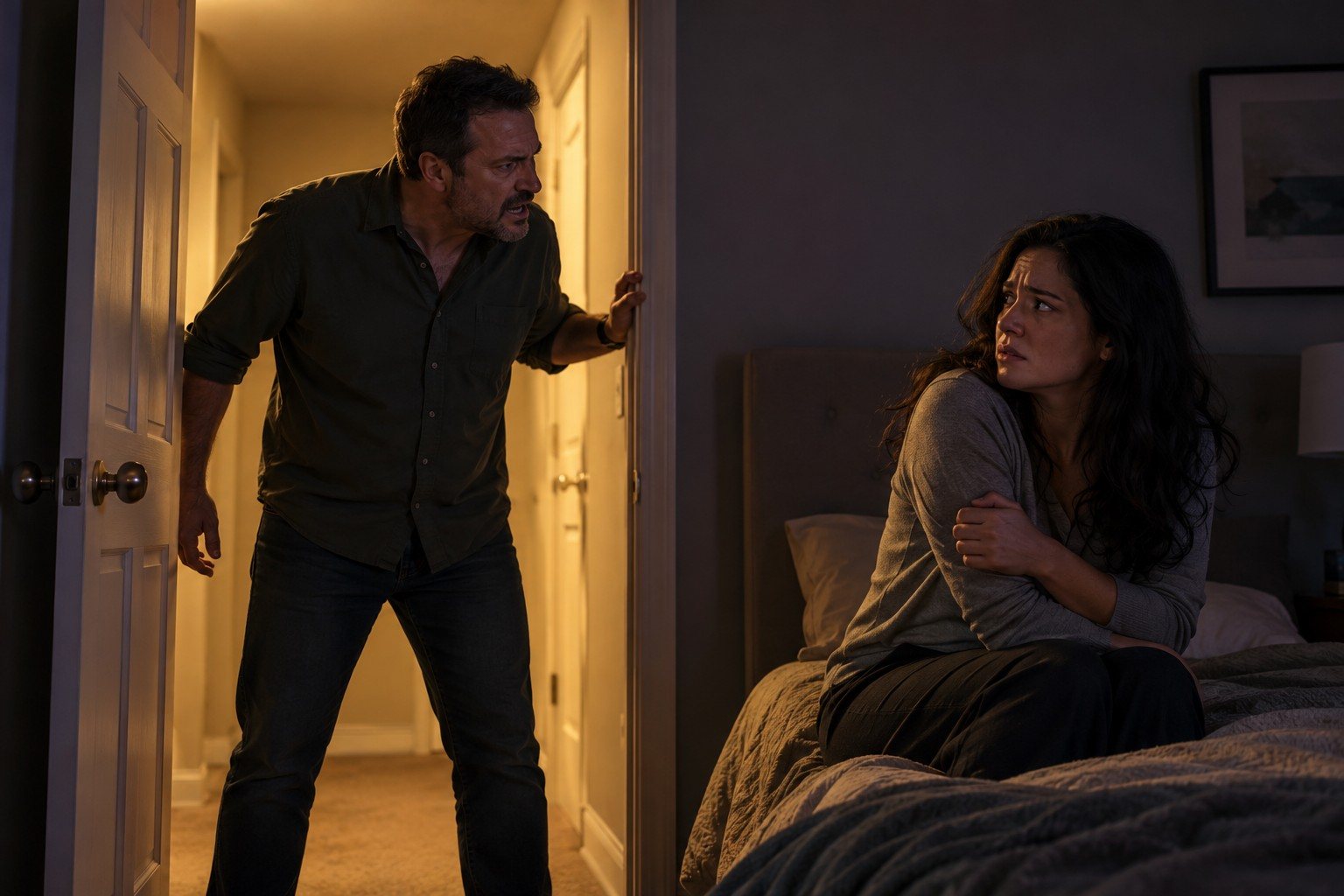
Abusers sometimes threaten to tell immigration how a survivor entered. Under 8 U.S.C. 1367(a)(1), DHS, the Department of Justice and the State Department may not make an adverse determination of admissibility or deportability using information furnished solely by the abuser or the abuser's family, unless you have been convicted of a crime listed in INA 237(a)(2). That keeps an admissibility decision from resting only on the abuser's word. USCIS does not apply the rule to the denial of an I-360 itself (PA-2025-34). It does not stop a call to ICE. Read confidentiality and threats of deportation.
What we look at first
- Each entry and departure you remember, with approximate dates.
- Any encounter with border or immigration officers, and any papers you were given.
- When and where the abuse happened, measured against those dates.
- Any arrest or charge, at any time. If there was one, talk to your criminal lawyer before you write anything down, and read arrested or charged.
You do not need documents for each point to start. Many survivors have none, and the self-petition itself is decided on any credible evidence (INA 204(a)(1)(J)).
Read next: waivers for VAWA self-petitioners, public charge and VAWA, your work permit, or your green card after VAWA.
Common questions
Does it matter why I crossed without inspection?
It can. INA 212(a)(6)(A)(ii) keeps the present-without-admission ground from applying to a VAWA self-petitioner who shows a substantial connection between the abuse and the unlawful entry. Where that connection is part of the case, the reasons and timing of the entry are evidence, and we go through them with you before filing.
I lived here for years without status. Does the ten-year bar apply to me?
INA 212(a)(9)(B)(iii)(IV) creates an exception to the three- and ten-year unlawful-presence bars for a battered spouse or child who shows a substantial connection between the abuse and the violation of the terms of their nonimmigrant visa. It is written for people who came in on a visa. Whether it covers your time depends on that connection, which we review from your history. Do not travel while this question is open.
I was deported before and came back. Is there any path?
A prior removal followed by a return can trigger the permanent bar in INA 212(a)(9)(C). INA 212(a)(9)(C)(iii) provides a waiver of that bar for VAWA self-petitioners where there is a connection to the abuse. These cases need a close read of the old order and the dates, so bring whatever papers you have to the consultation.
Will my abuser's statements about how I entered be used against me?
Under 8 U.S.C. 1367(a)(1), DHS may not make an adverse determination of admissibility or deportability using information furnished solely by the abuser or the abuser's family, unless you have been convicted of a crime listed in INA 237(a)(2). That protects an admissibility decision from resting only on what the abuser says. It does not stop anyone from making a report, so your own account and records still matter.
The lawyers who will handle your case
One of them calls you back, privately, on your terms.



Talk to a lawyer privately. You decide how we reach you.
Tell us a safe number or email and a safe time, and whether we can leave a message. We never contact the person who hurt you, and we never call from a number or send anything that names this site. The first conversation is free and confidential, in English, Russian, Spanish or Uzbek, with a live interpreter for any other language.