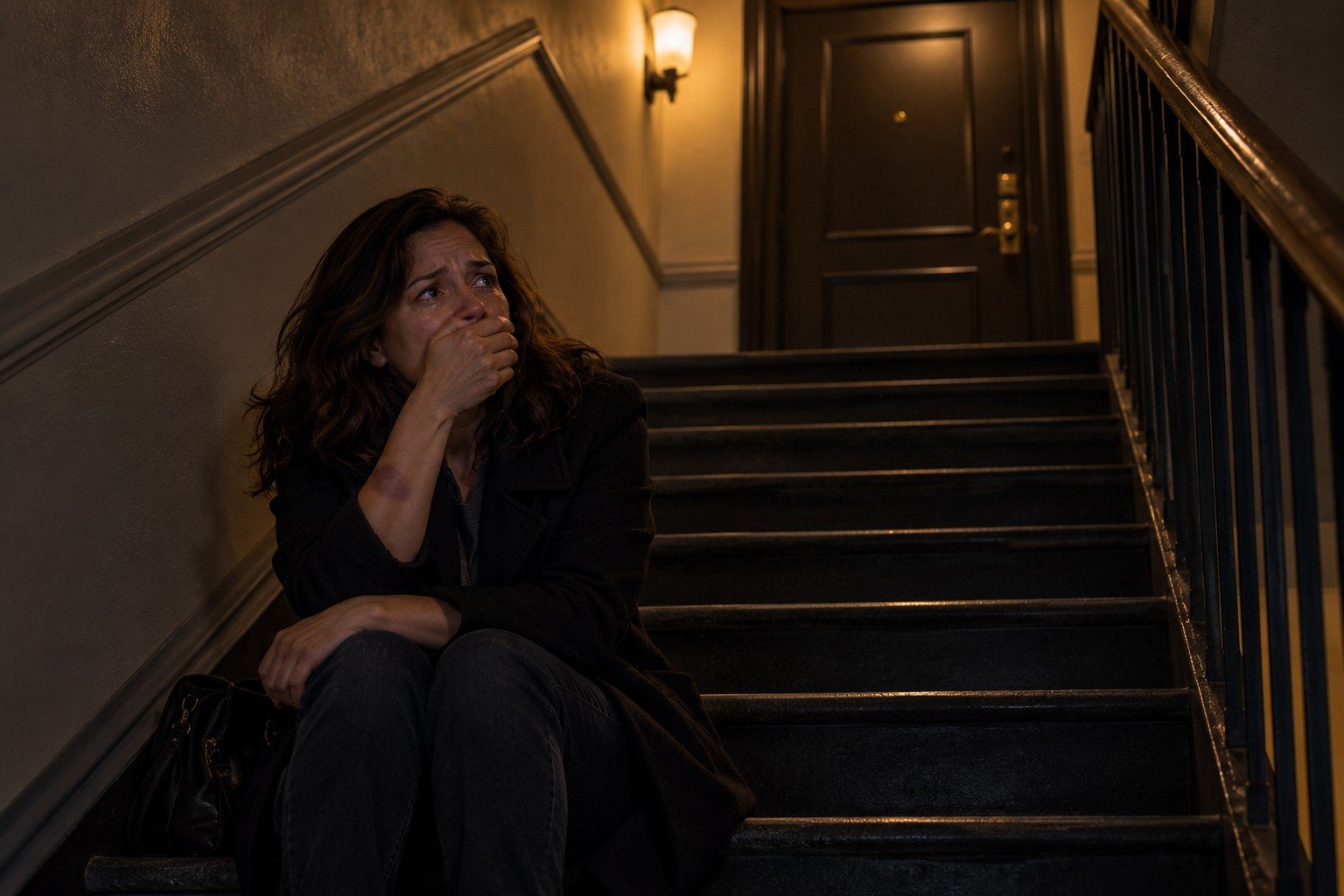
Physical
Hitting, shoving, or threatening to
Any act or threatened act of violence, including holding you so you cannot leave.
8 C.F.R. 204.2(c)(1)(vi)
The law covers battery or extreme cruelty. That includes violence, but also threats, isolation, control of money and documents, and other conduct used to gain or keep power and control over you. It happens to women and to men. Here are twelve examples of what it can look like.
Current as of October 2026. We re-check this page every quarter and after any change in the law.
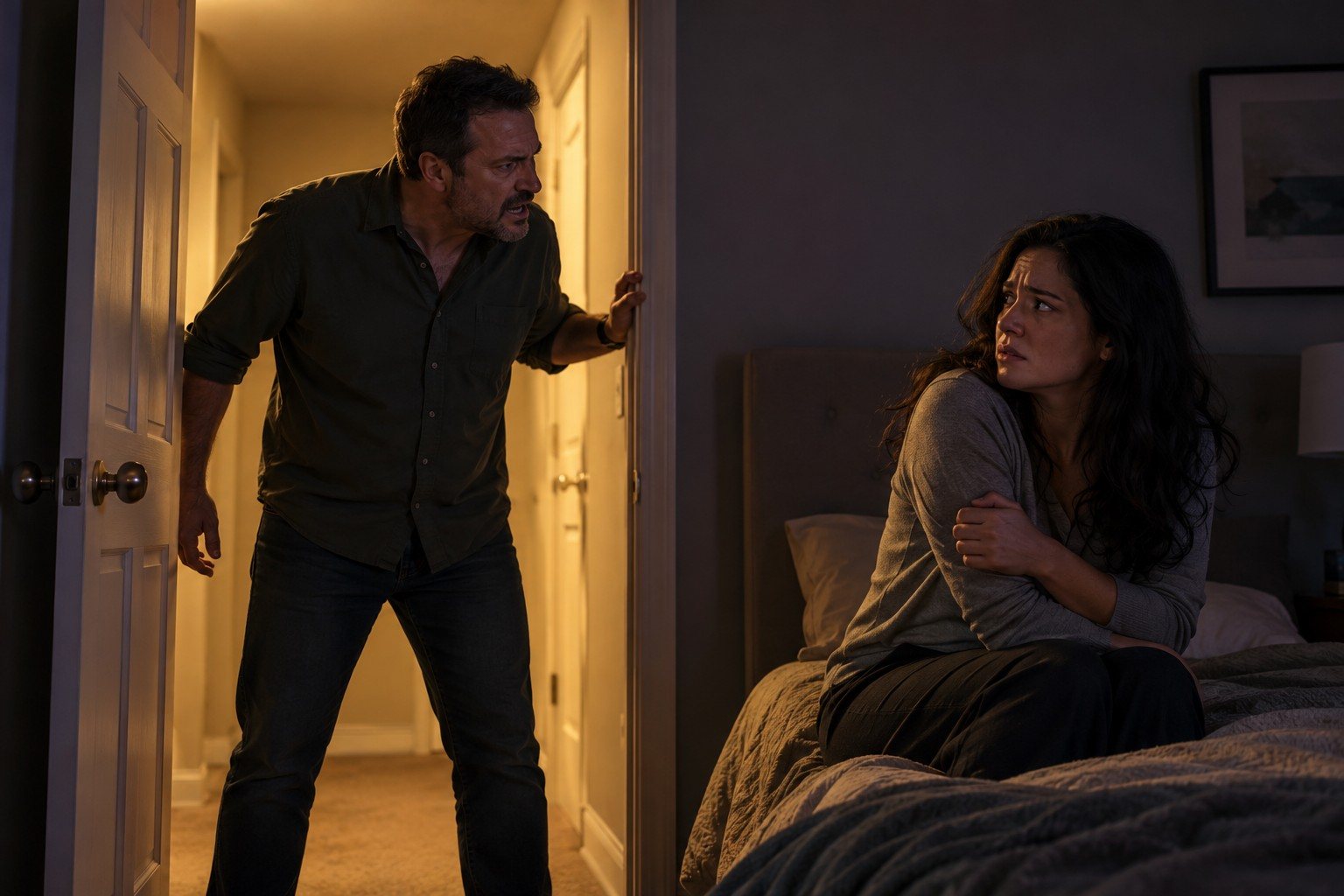
Every example below is drawn from what the law describes. Whether your experience is battery or extreme cruelty depends on the whole relationship, not one moment. The regulation covers any act or threatened act of violence, including forceful detention, psychological or sexual abuse or exploitation, and acts that may not initially appear violent but are part of an overall pattern of violence, 8 C.F.R. 204.2(c)(1)(vi). Since December 22, 2025, USCIS also asks whether the conduct reflects an intent to gain or keep power and control, 3 USCIS-PM D.2(E)(1). The examples show women and men, because abuse does not depend on gender.
Any act or threatened act of violence, including holding you so you cannot leave.
8 C.F.R. 204.2(c)(1)(vi)
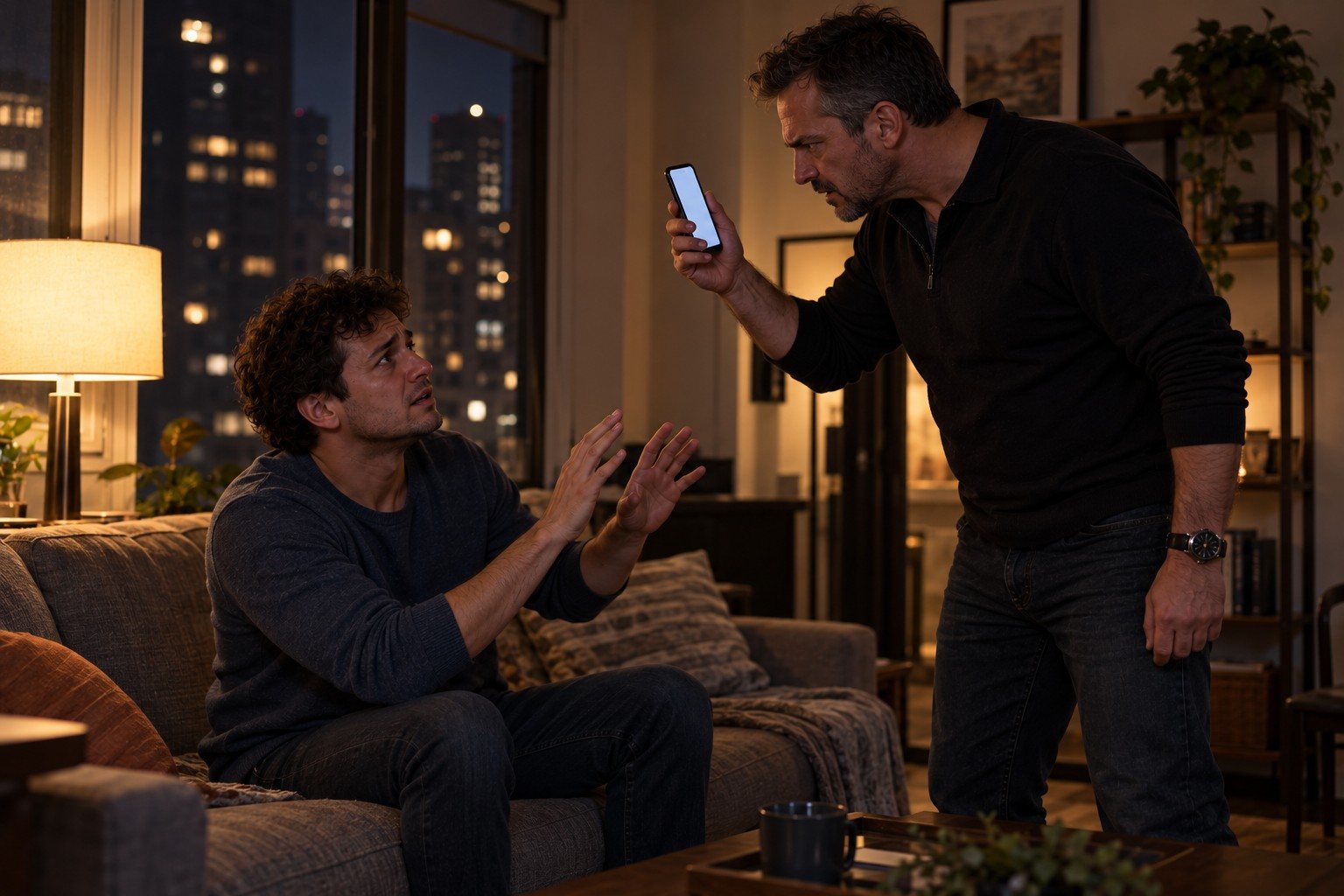
Using your status as a weapon to keep you afraid and obedient can be part of a pattern of control.
3 USCIS-PM D.2(E)(1)
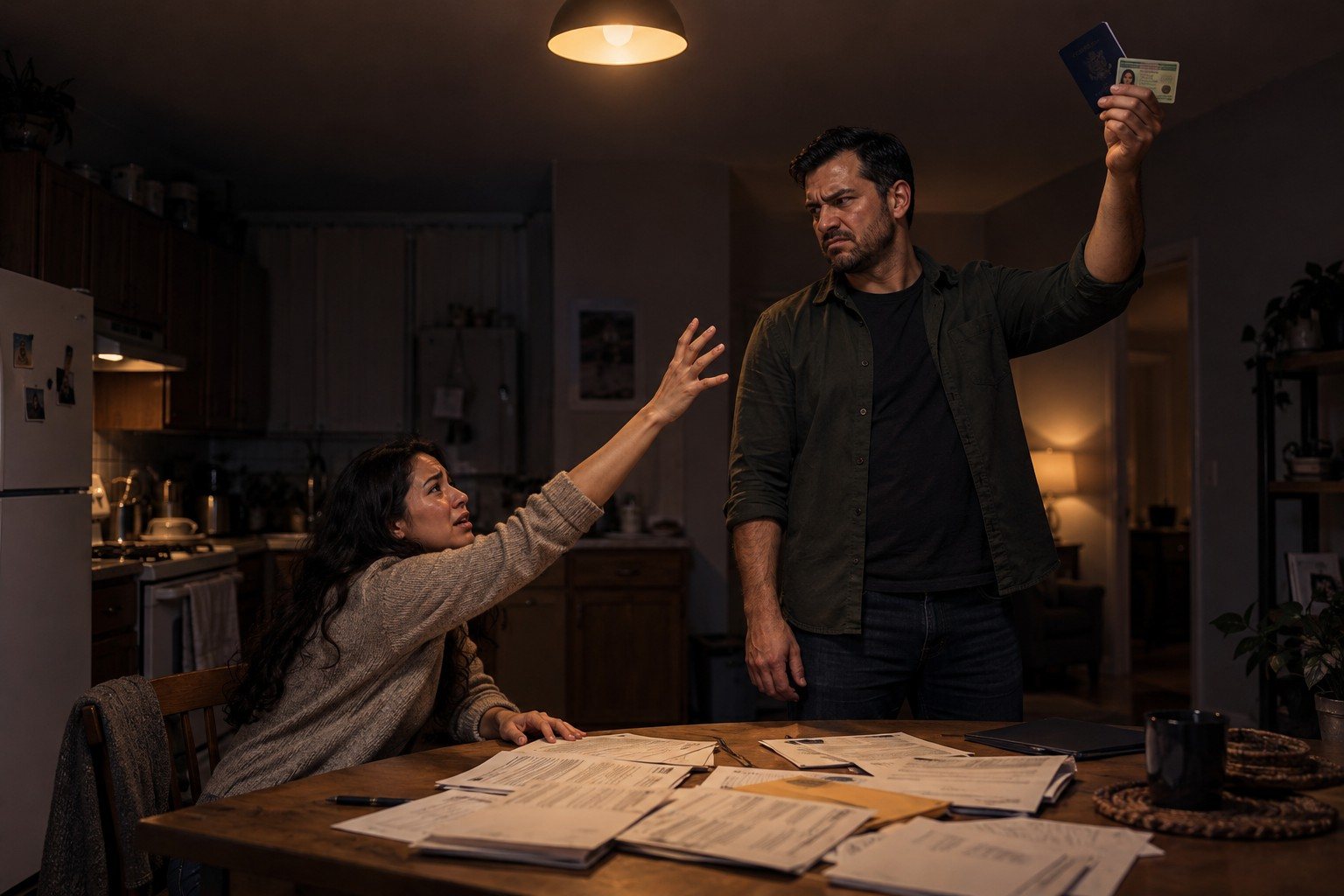
Keeping your papers from you is a common way abusers control a spouse who depends on them for status.
3 USCIS-PM D.2(E)(1)
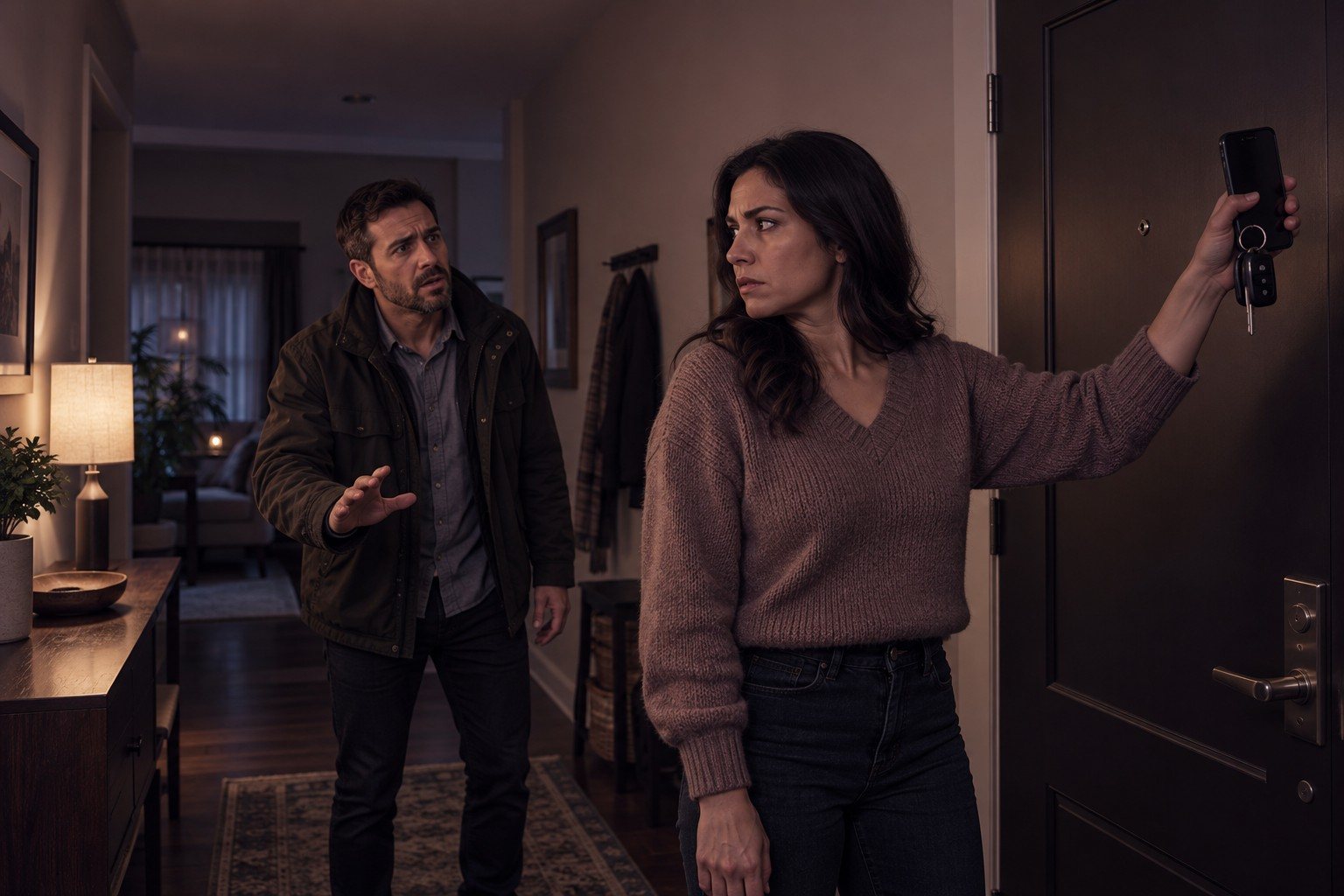
Taking your keys or phone, keeping you from family or friends. Forced confinement or isolation is on the Policy Manual’s list.
3 USCIS-PM D.2(E)(1)
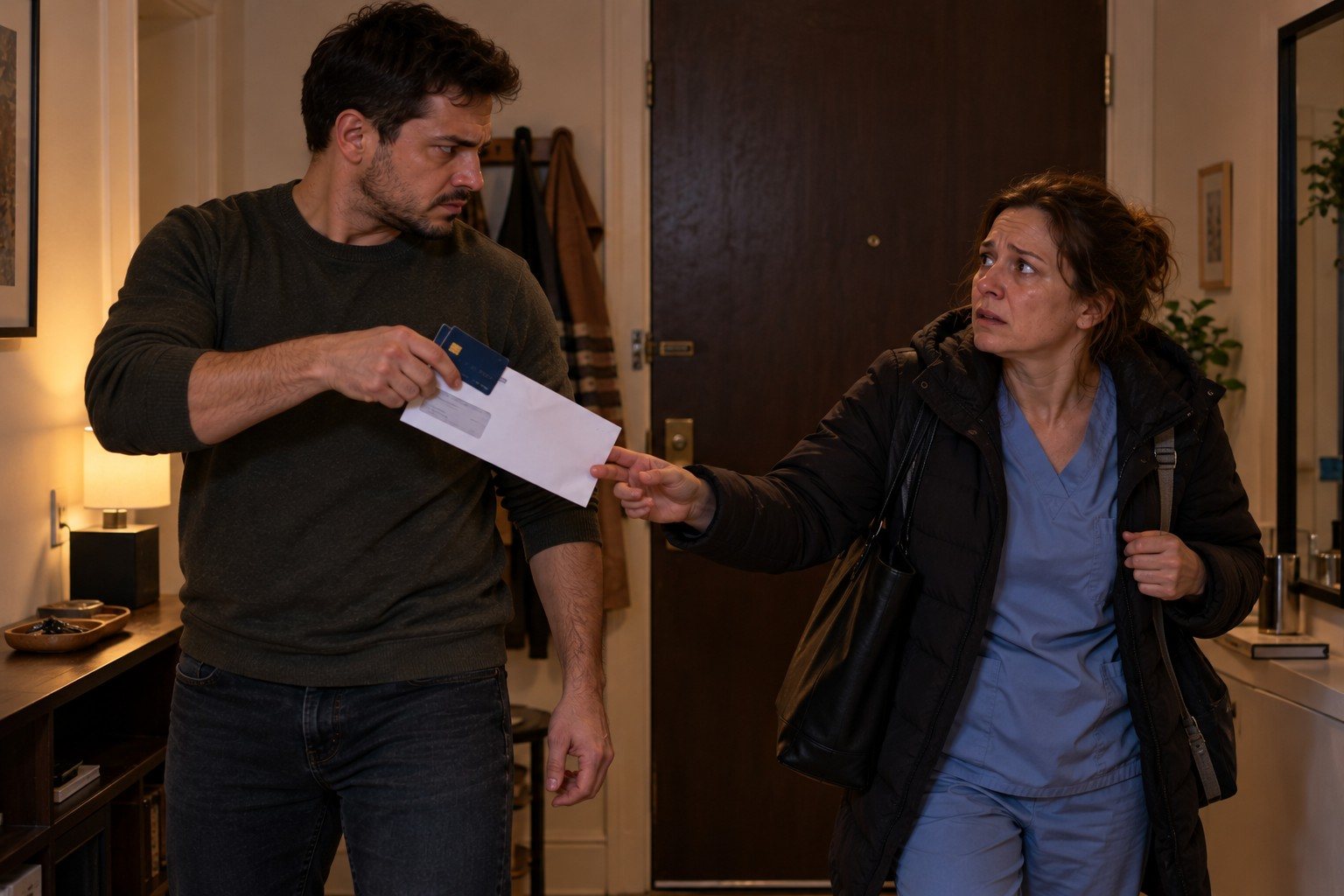
Taking your pay, your cards, or keeping you from working, so leaving feels impossible.
3 USCIS-PM D.2(E)(1)
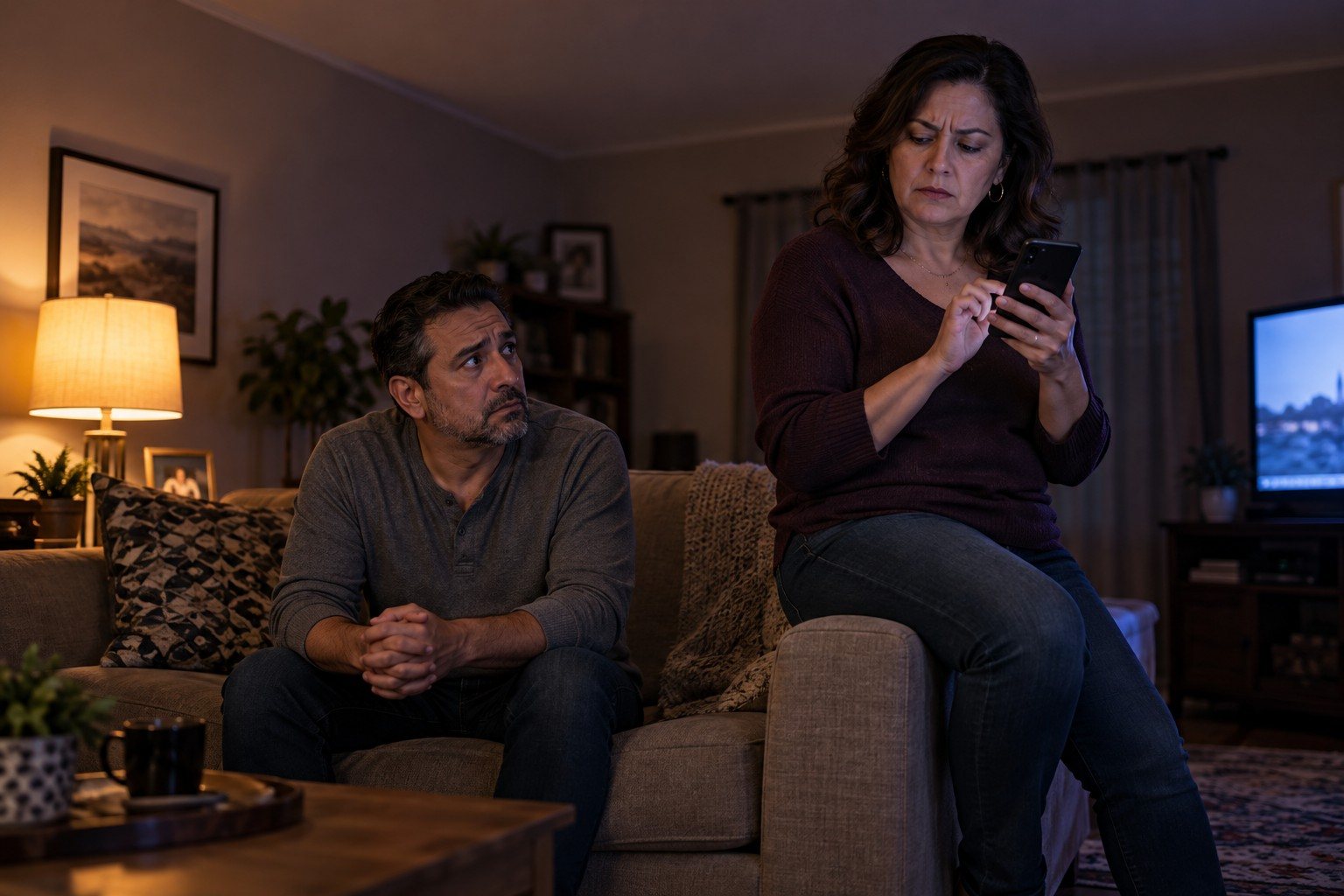
Checking every message, tracking where you go, demanding passwords: surveillance used for control.
3 USCIS-PM D.2(E)(1)
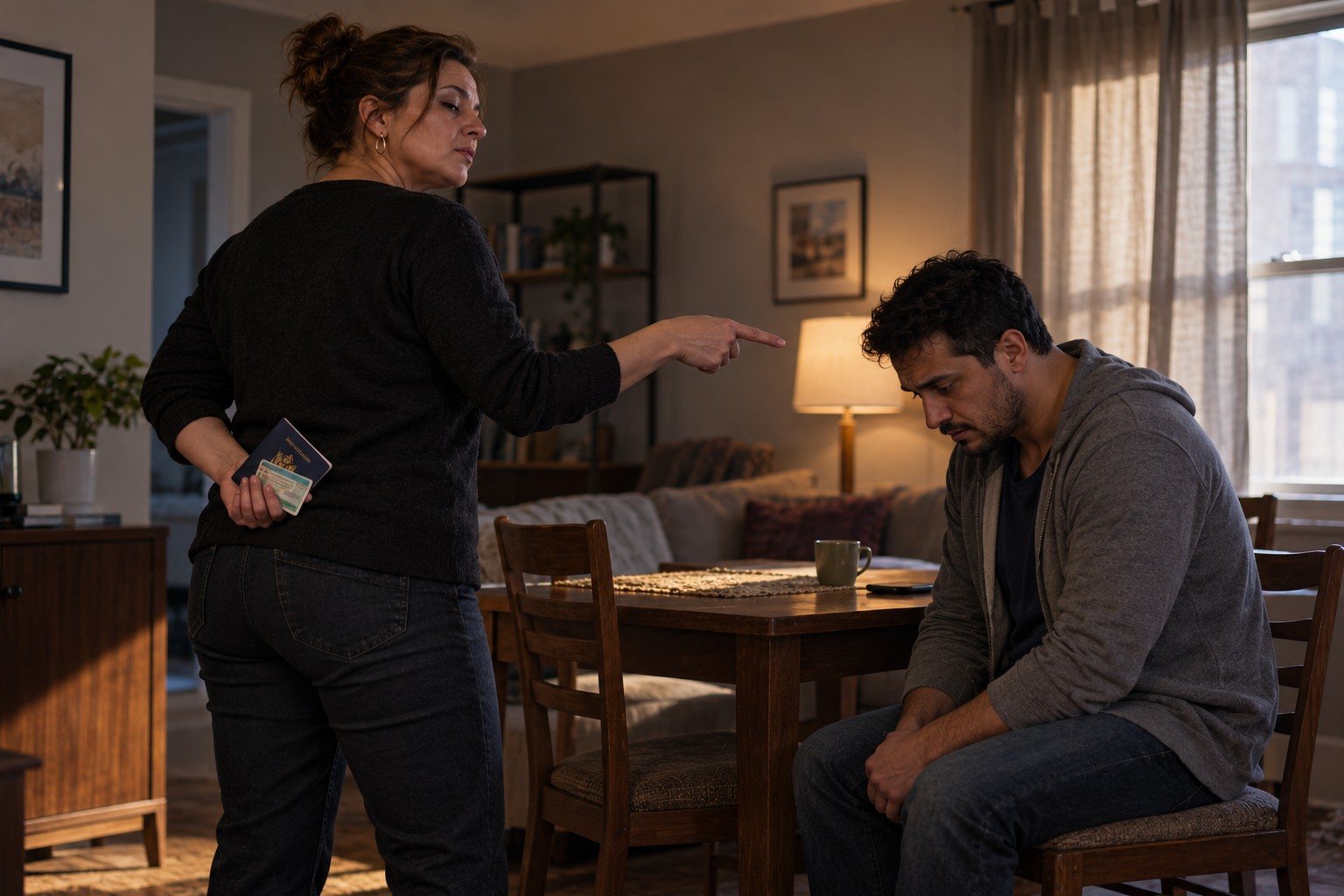
Psychological abuse that wears you down, often combined with control of your papers.
8 C.F.R. 204.2(c)(1)(vi)
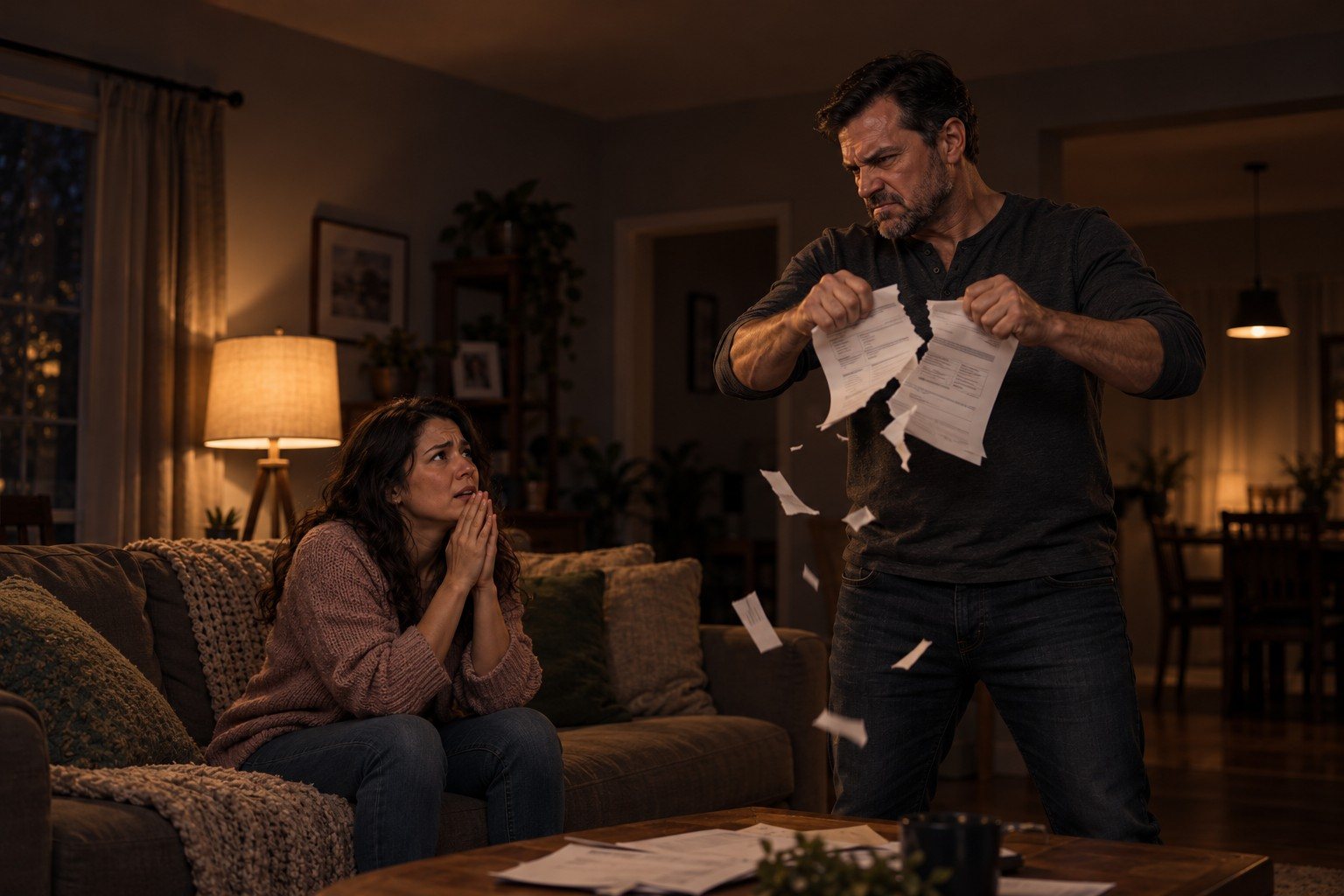
Destroying your forms or withdrawing a petition filed for you. You can file your own.
INA 204(a)(1)(A)(iii)
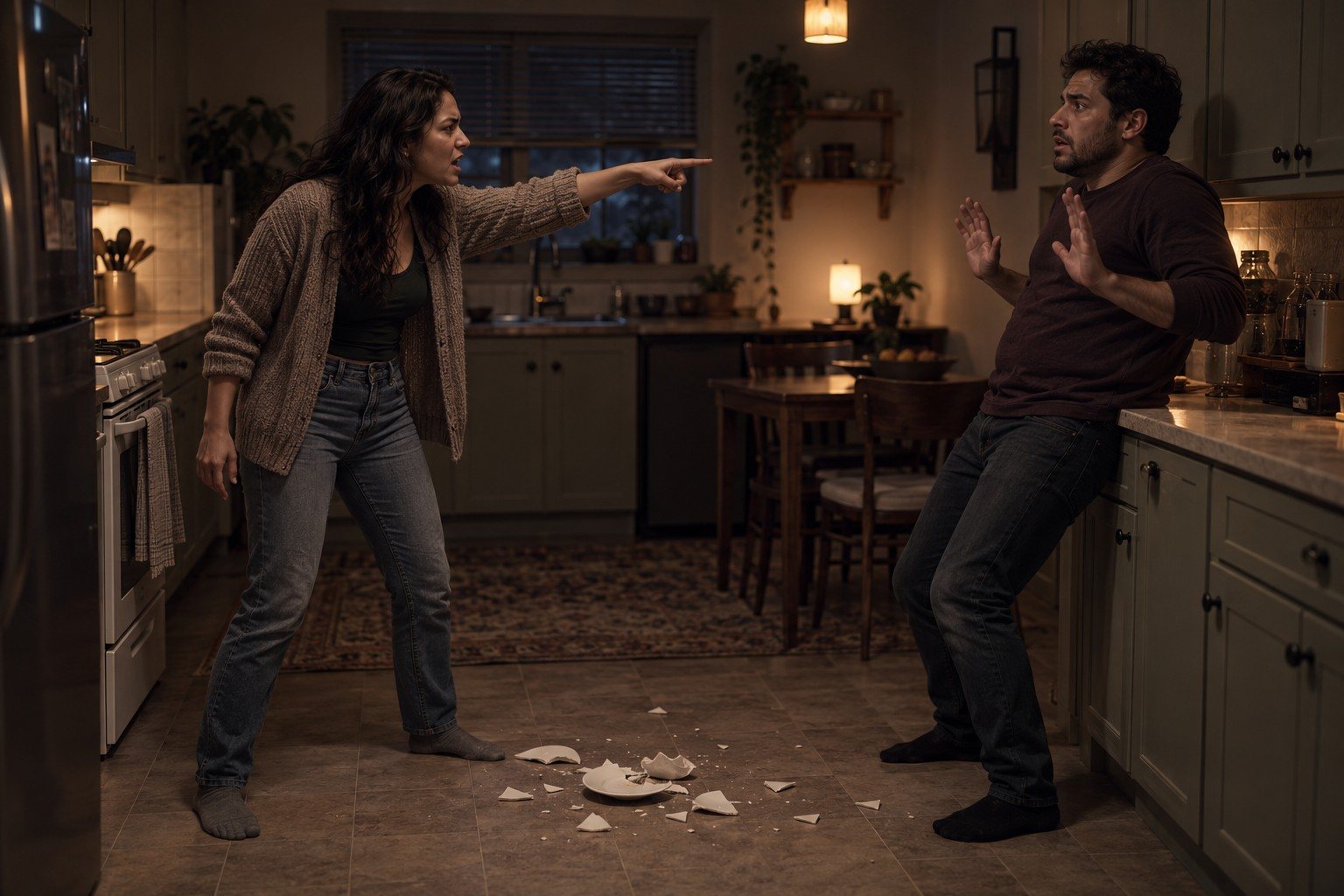
Acts that may not look violent on their own but are part of an overall pattern of violence.
8 C.F.R. 204.2(c)(1)(vi)
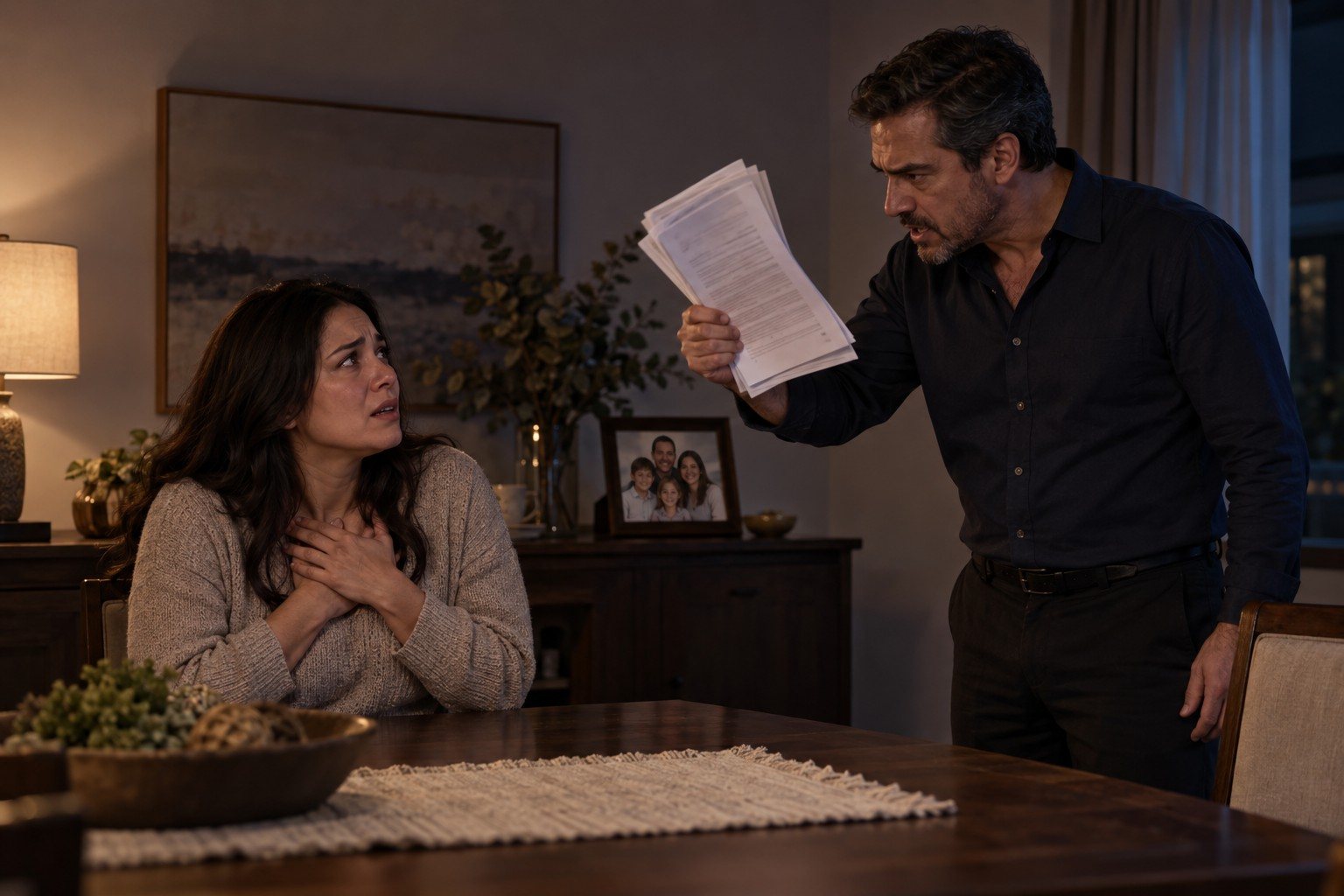
Using the children, or threats about custody and deportation, to keep you from leaving.
3 USCIS-PM D.2(E)(1)
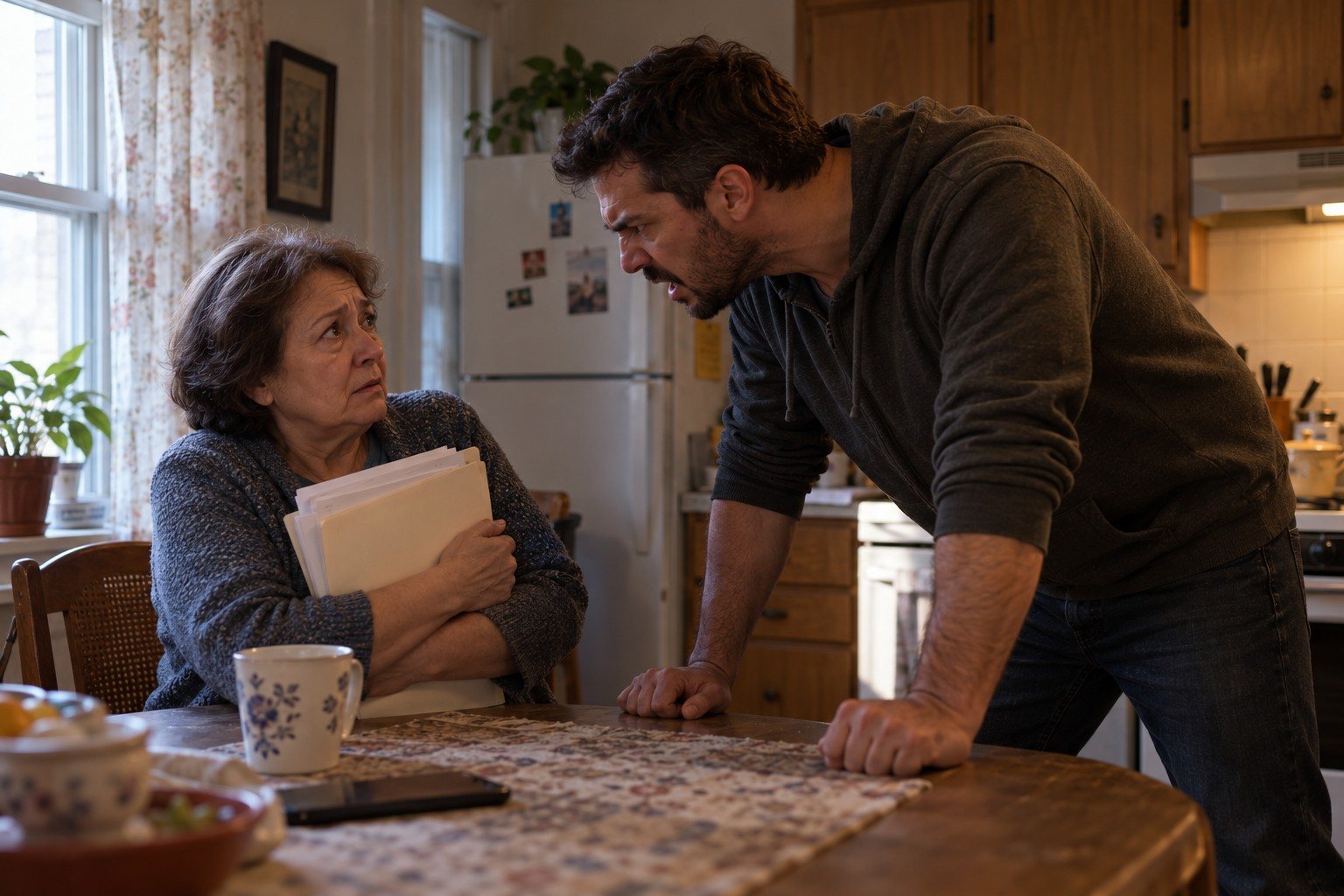
A parent abused by a U.S. citizen son or daughter who is 21 or older can self-petition.
INA 204(a)(1)(A)(vii)
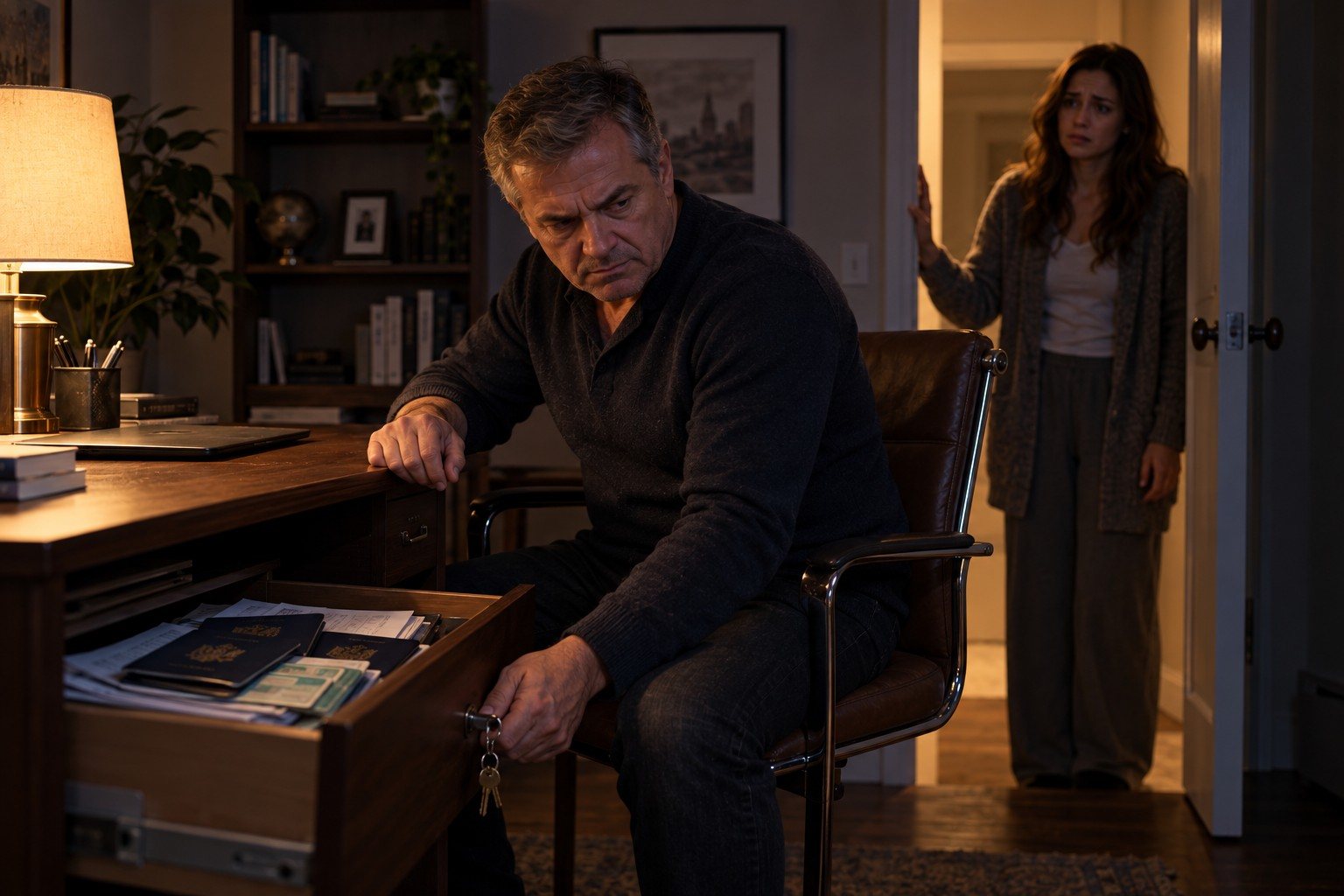
Physical control over your things, your movements, your food or medical care.
3 USCIS-PM D.2(E)(1)
No single item above proves a case, and none is required. USCIS decides on the whole record, case by case, and must consider any credible evidence, INA 204(a)(1)(J). The Policy Manual says hurtful conduct alone, or adverse interactions of limited severity, is not enough for extreme cruelty; the conduct must reflect an intent to gain or maintain power and control, 3 USCIS-PM D.2(E)(1). Abuse by someone else in the family counts only if the citizen or permanent resident willfully condoned or took part in it.
For a spouse, the abuse must have happened during the marriage. For VAWA in immigration court, see VAWA with USCIS or in court.
If you are in danger, call 911. The National Domestic Violence Hotline is 1-800-799-7233, or text START to 88788. When it is safe, ask us for a private call back.
Read next: battery or extreme cruelty, abuse without violence, evidence when you have nothing, or the eligibility questionnaire.
Usually not on its own. Under the USCIS Policy Manual as revised on December 22, 2025, hurtful conduct alone, or adverse interactions of limited severity, is not enough for extreme cruelty. The conduct must reflect an intent to gain or maintain power and control. USCIS looks at the whole relationship, case by case. 3 USCIS-PM D.2(E)(1).
Yes. The self-petition is written for any spouse, child or parent, of any gender, and the abuser can be any gender. The same rules and the same evidence apply.
Possibly. Battery is one route; extreme cruelty is the other. The regulation at 8 C.F.R. 204.2(c)(1)(vi) includes psychological or sexual abuse and acts that may not appear violent but are part of an overall pattern of violence. The Policy Manual lists forced confinement or isolation, physical control, and denying access to food, family or medical care among its examples.
No. USCIS must consider any credible evidence, INA 204(a)(1)(J). Your own detailed account, supported by whatever exists, such as messages, counseling notes, or statements from people who saw what happened, can carry a case.
Abuse by a third party counts only if the citizen or permanent resident abuser willfully condoned or took part in it, under the Policy Manual. 3 USCIS-PM D.2(E)(1).
One of them calls you back, privately, on your terms.
Tell us a safe number or email and a safe time, and whether we can leave a message. We never contact the person who hurt you, and we never call from a number or send anything that names this site. The first conversation is free and confidential, in English, Russian, Spanish or Uzbek, with a live interpreter for any other language.