
Battery or extreme cruelty
To self-petition, you must show that you, or your child, were battered or subjected to extreme cruelty by the citizen or permanent resident in your family. The definition is broad. It covers violence and threats of violence, psychological and sexual abuse, and acts that seem small alone but are part of a pattern.
Current as of October 2026. We re-check this page every quarter and after any change in the law.
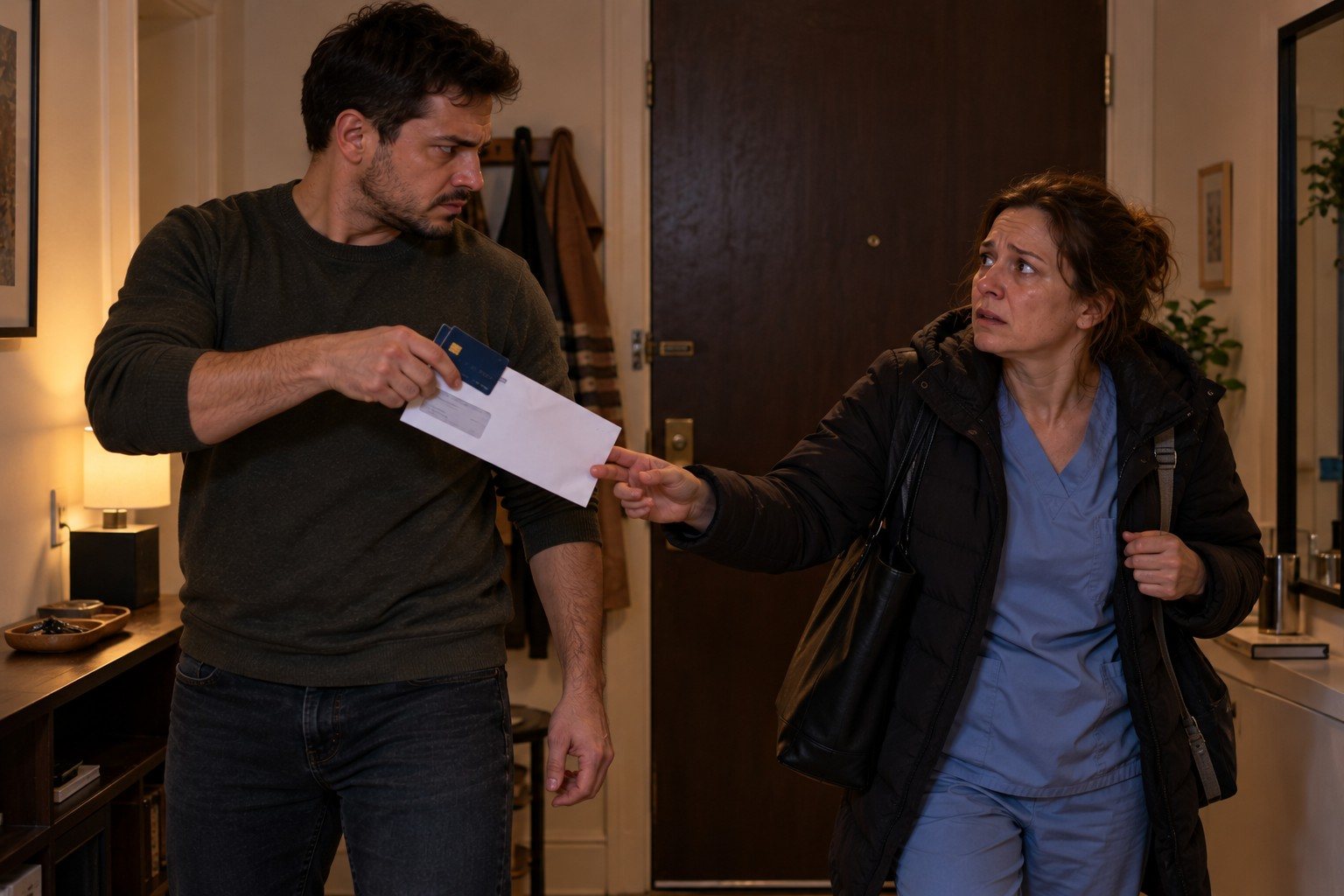
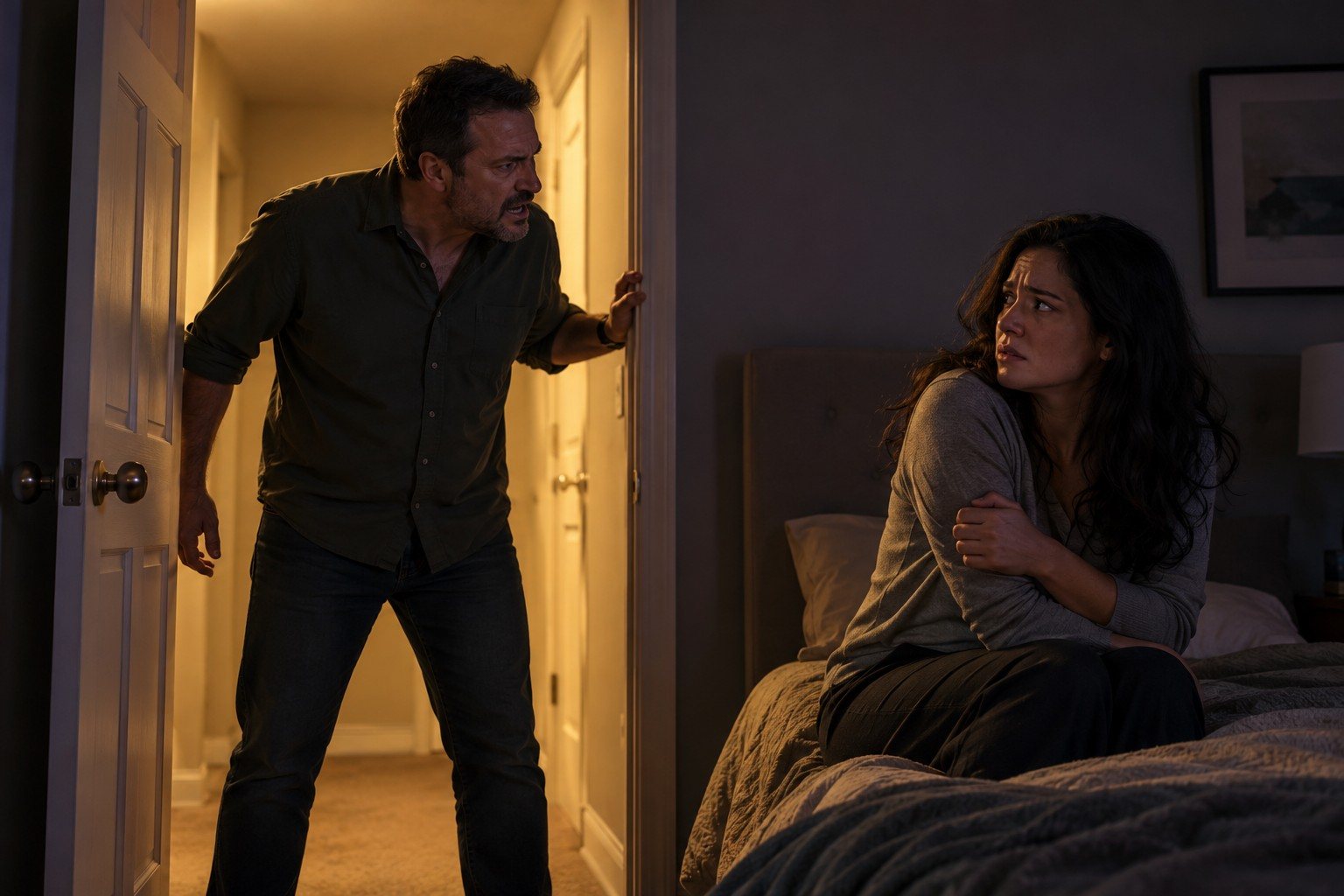
Abuse is the center of every self-petition. The other elements (the marriage, living together, your character) set the frame. This one is the reason the law exists: so that a person whose status depends on an abusive citizen or permanent resident can file without them. You do not need the abuser's signature, knowledge or help. This page explains what the law means by abuse. A separate page covers abuse that never left a mark.
The words in the regulation

Under 8 C.F.R. 204.2(c)(1)(vi), "battery or extreme cruelty" includes, but is not limited to, being the victim of any act or threatened act of violence, including forceful detention, that results or threatens to result in physical or mental injury. It also includes psychological or sexual abuse or exploitation. And it includes acts that may not look violent at first but are part of an overall pattern of violence.
| The regulation covers | What that means in practice |
|---|---|
| Acts of violence | Physical harm, including holding you somewhere against your will |
| Threats of violence | A threat that puts you in fear of physical or mental injury counts, even if it was never carried out |
| Psychological abuse | Conduct aimed at your mind and sense of safety, not your body |
| Sexual abuse or exploitation | Inside a marriage too |
| Part of a pattern | Acts that look minor one by one but, taken together, are part of an overall pattern of violence |
The words "include, but are not limited to" matter. The list is a floor, not a fence. USCIS looks at the whole relationship. Under the Policy Manual as revised by PA-2025-33, there is no formula, hurtful conduct alone or adverse interactions of limited severity are not enough for "extreme" cruelty, and the conduct must reflect an intent to gain or maintain power and control (3 USCIS-PM D.2(E)(1), as of October 2026).
Who did it, and when

For a spouse, the statute and regulation ask that you or your child were battered or subjected to extreme cruelty by the spouse and during the marriage (INA 204(a)(1)(A)(iii) and (B)(ii); 8 C.F.R. 204.2(c)(1)(i)). Three points follow:
- Your child counts. If your spouse abused your child, the element can be met even if you were not the one harmed. See children on your petition.
- The marriage period matters. Abuse before the wedding or after a divorce can still be part of the story, but the element is measured during the marriage.
- The abuser is the citizen or permanent resident. Abuse by someone else in the household counts only if the citizen or permanent resident willfully condoned or took part in it (3 USCIS-PM D.2(E)). Otherwise it is not this element, though it may open a different door, such as the U visa.
A child abused by a citizen or permanent resident parent, and a parent abused by an adult citizen son or daughter, have their own self-petitions. See abused child and abused parent.
Abuse happens to people of every gender. The statute is written for anyone (INA 204(a)(1)), and the standard is the same for husbands and wives, and for same-sex couples. See men and VAWA and same-sex couples.
How it is proved
Under INA 204(a)(1)(J) and 8 C.F.R. 204.2(c)(2)(i), USCIS must consider any credible evidence. How much weight each item gets is up to USCIS. So the law does not demand a police report, a protective order or a hospital record. It asks for a record that is credible as a whole.
That record usually starts with your own declaration: specific, in order, in your own words. It is supported by whatever exists. Statements from people who saw what happened or saw how you changed. Counseling or medical records. Messages. Court records, where there are any. Our page on any credible evidence walks through each element, and evidence without documents covers the case where the abuser kept the papers.
If you were arrested too
Sometimes the police arrest both people, or the abuser files a complaint against you. If there was any arrest or charge, talk to your criminal lawyer before you write anything down about it. Then read arrested or charged. A record of the abuse can help both cases, but the order of steps matters.
Your safety comes first
This page does not tell you to leave, to stay or to go to court. Each of those choices affects your case in different ways, and we explain them at the consultation. A safety plan is made with a domestic violence advocate. If you are in danger now, call 911.
Read next: abuse without violence, any credible evidence, writing your declaration, or the self-petition overview.
Common questions
Do I need a police report to prove abuse?
No single document is required. Under INA 204(a)(1)(J), USCIS must consider any credible evidence, and it decides how much weight each piece gets. A police report helps if one exists. Many petitions rest on a detailed declaration supported by people who saw what happened or saw its effects on you.
The abuse was against my child, not me. Can I still file?
For a spouse's self-petition, the abuse element can be met if you or your child were battered or subjected to extreme cruelty by your spouse during the marriage. Your children can also be included on your petition. We review the facts with you before anything is filed.
Does it matter if the abuse happened only once?
The regulation reaches any act or threatened act of violence that results or threatens to result in physical or mental injury, and it also reaches patterns. A single act can qualify. So can a pattern of conduct with no single dramatic event. What matters is what happened and what the record shows.
Will the abuser be told what I wrote?
No. Under 8 U.S.C. 1367(a)(2), the government may not disclose information about a VAWA applicant to anyone, with limited exceptions. The firm does not contact the abuser, the abuser's lawyer or the abuser's family.
The lawyers who will handle your case
One of them calls you back, privately, on your terms.


Talk to a lawyer privately. You decide how we reach you.
Tell us a safe number or email and a safe time, and whether we can leave a message. We never contact the person who hurt you, and we never call from a number or send anything that names this site. The first conversation is free and confidential, in English, Russian, Spanish or Uzbek, with a live interpreter for any other language.