
Home/Articles
Articles
In-depth VAWA guides
Each guide takes one subject from start to finish, in plain words, with the statute, regulation or USCIS policy behind every rule. Start with the complete guide if you are new to VAWA.

Not sure where you fit? Try the eligibility questionnaire. Shorter, dated posts are on the blog.
 What a VAWA case costs: our legal fee and the government filing feesOur flat legal fee for a VAWA I-360 self-petition, the government filing fees (the I-360 has none), the VAWA fee exemptions, and what is quoted separately.Read →
 No police report, no arrest, no conviction: what VAWA really requiresNo conviction, arrest or police report is needed for a VAWA self-petition. What evidence works instead, how the U visa differs, and what to do if you were arrested.Read →
 Filing a VAWA self-petition from outside the United StatesThe three situations that let a survivor file from outside the United States, how USCIS reads them, and what happens after approval.Read →
 Every kind of abuse VAWA covers, one by onePhysical, sexual, emotional, immigration, financial and technology abuse, threats about the children and patterns of control: what each looks like and the law behind it.Read →
 Filing in private: VAWA confidentiality, and filing while you still live with the abuserFiling without the abuser's knowledge, while still married or living together: what 8 U.S.C. 1367 protects, where it stops, and how to plan mail, phone and devices.Read →
 Abused parents of U.S. citizens: the VAWA self-petition, at home and abroadThe VAWA self-petition for parents abused by an adult U.S. citizen son or daughter: the elements, the limits, and filing from outside the United States.Read →
 The complete 2026 guide to the VAWA self-petitionWho can file, what you prove, how the evidence is built, and every step from Form I-360 to a green card, as of October 2026.Read →
 VAWA, the U visa, the I-751 waiver or VAWA cancellation: which path fitsThe self-petition, the U visa, the I-751 abuse waiver and VAWA cancellation compared, with a table, so you can see which door is yours.Read →
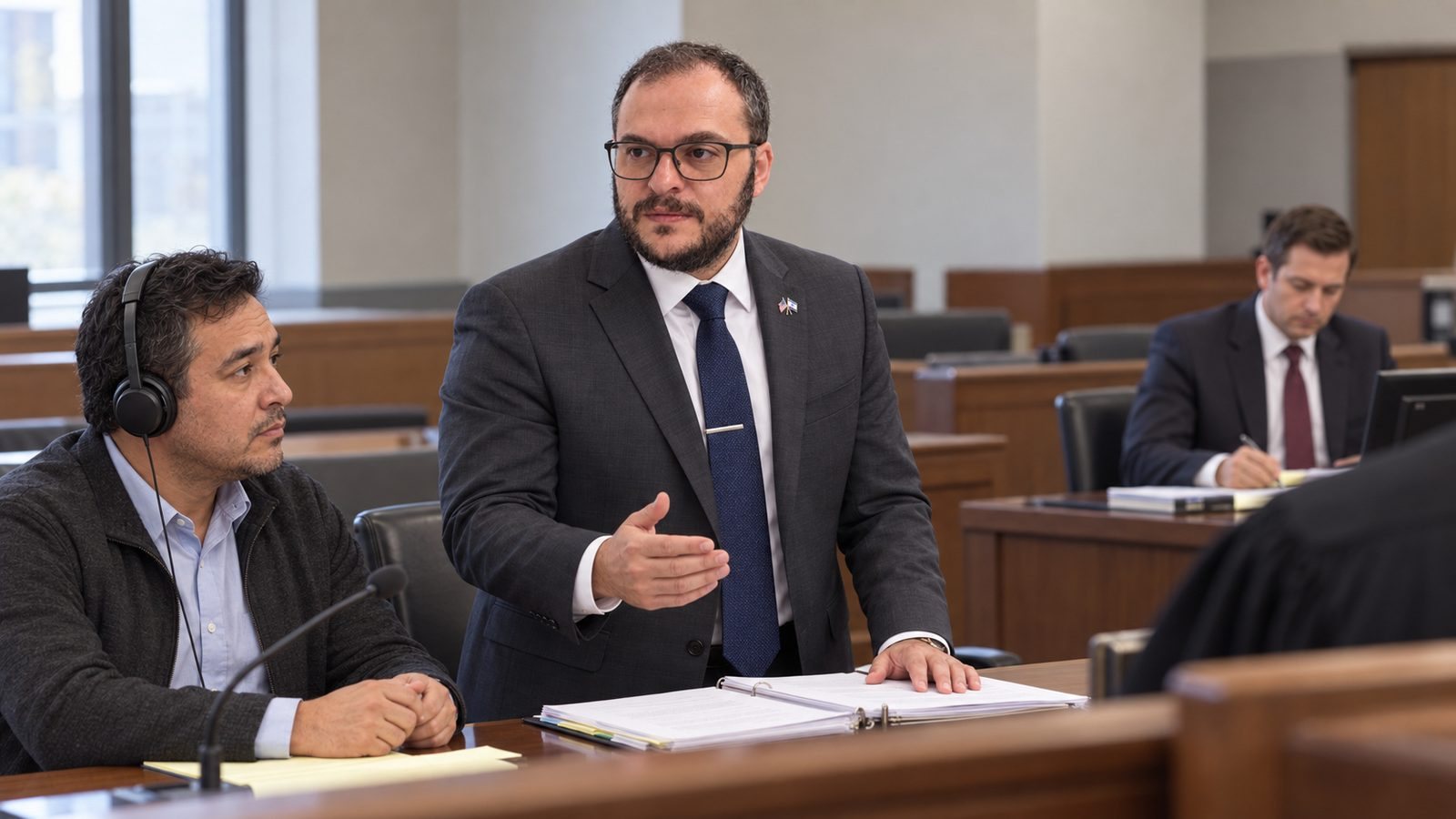 VAWA in deportation proceedings: cancellation, motions to reopen, arrests and detentionVAWA cancellation, the VAWA motion to reopen, the domestic violence waiver, and what to do first after an arrest or ICE detention.Read →
 The VAWA green card, step by stepFrom I-360 approval to permanent residence and citizenship: work permit, deferred action, fee exemptions, waivers, travel and naturalization.Read →
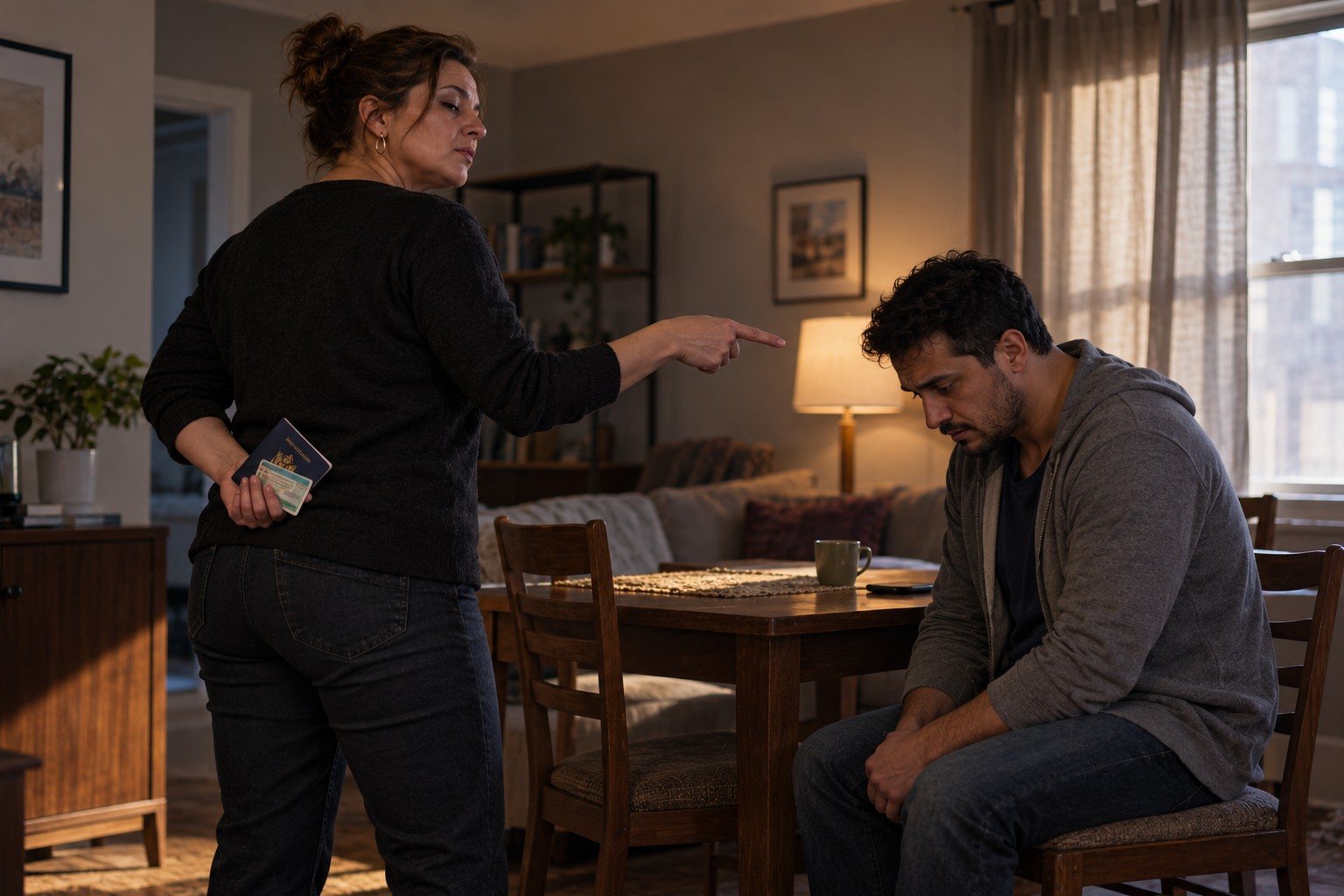 VAWA for men and LGBTQ survivorsThe self-petition is written for survivors of any gender. What men, same-sex spouses and transgender survivors need to know.Read →
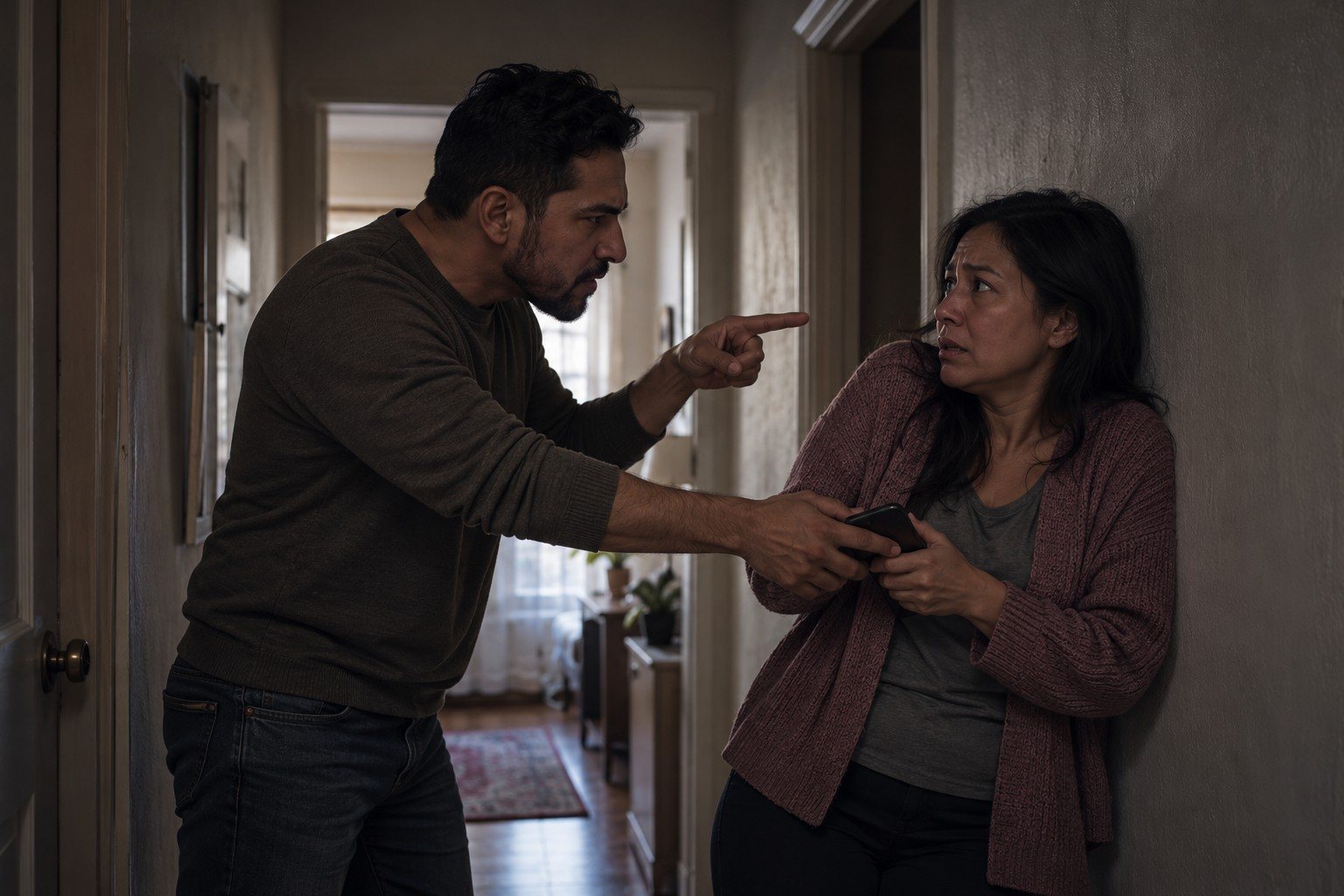 VAWA confidentiality under 8 U.S.C. 1367: what is protected and what is notWhat the VAWA confidentiality statute protects, what it does not, and how PA-2025-34 changed USCIS's reading in December 2025.Read →
 VAWA after divorce or death: the two-year windows, loss of status and remarriageThe two-year filing windows after divorce, death or loss of status, and what divorce, remarriage and status changes do after you file.Read →
 The December 2025 VAWA policy changes, and what they mean for your caseUSCIS rewrote its VAWA guidance on December 22, 2025. What changed for evidence, residence and confidentiality, and what to do now.Read →
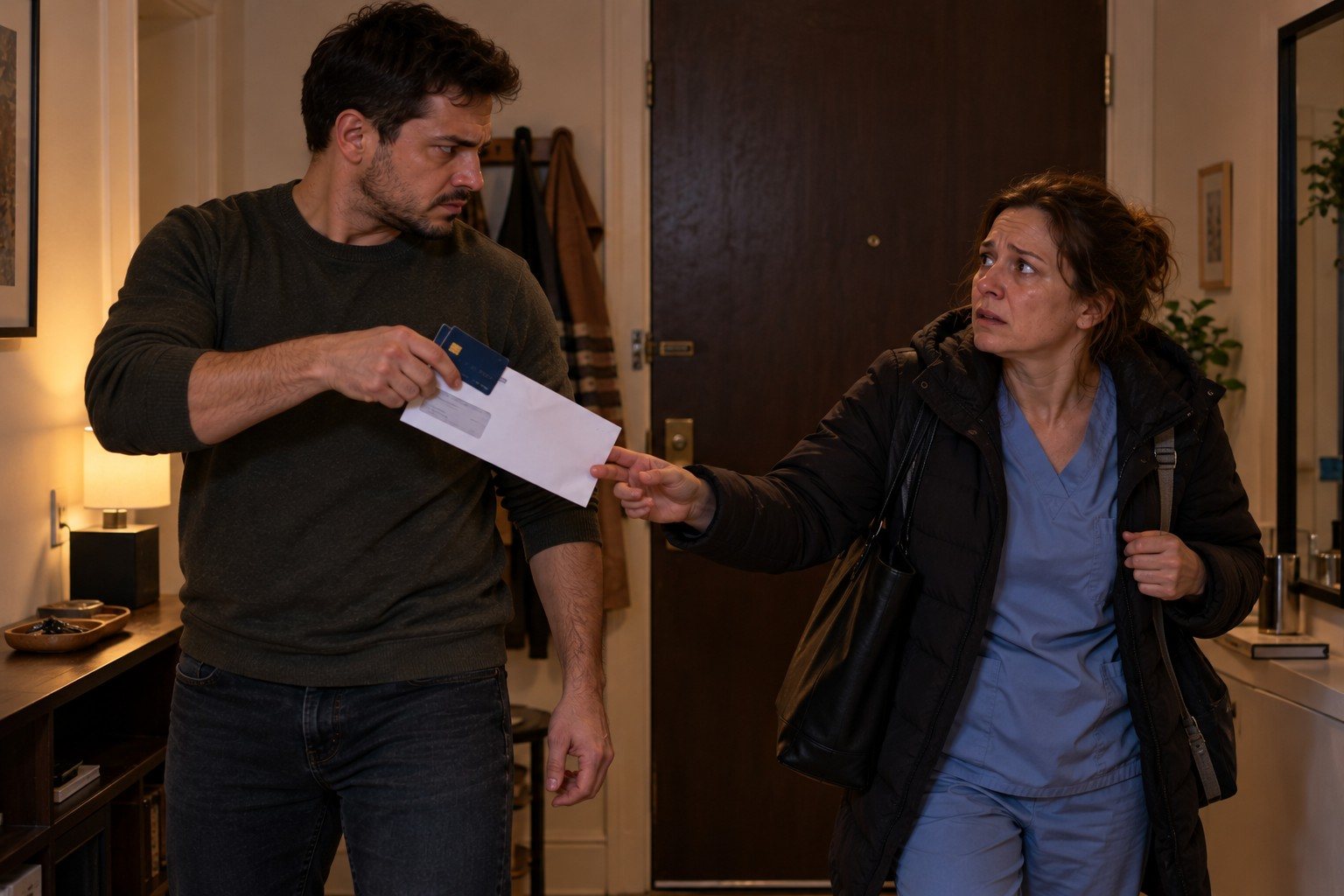 The U visa for domestic violence survivors: elements, certification and the green cardHow the U visa works for domestic violence: the elements, the certification, family members, the waiting list rule and the 245(m) green card.Read →
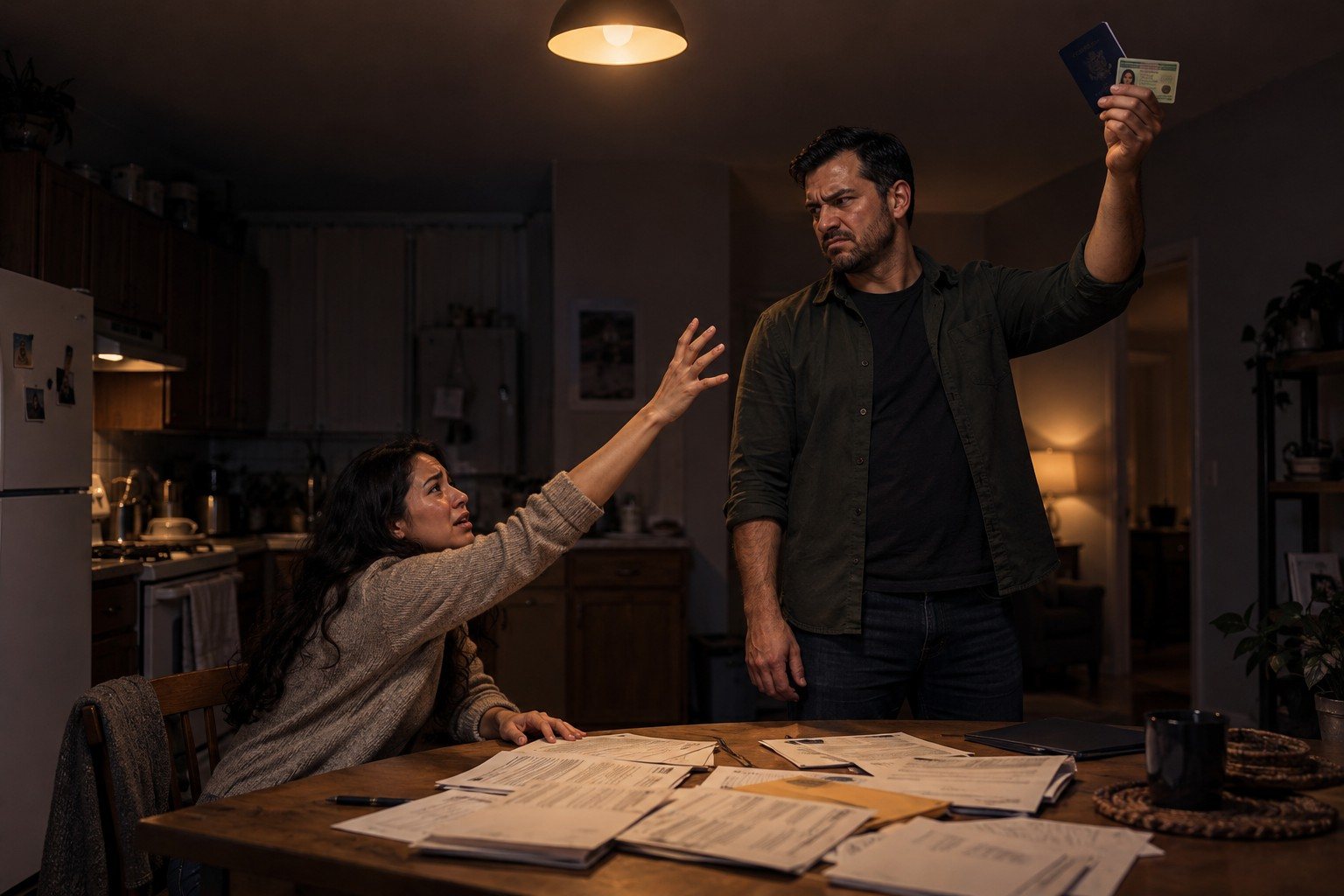 How abusers use immigration status as control, and what the law saysHidden passports, threats to call ICE, withdrawn petitions and controlled money: each tactic, and what the law actually says about it.Read →
 How to prepare a VAWA declarationHow a VAWA declaration is built: the sessions, a structure that follows the legal elements, and what makes an account credible.Read →
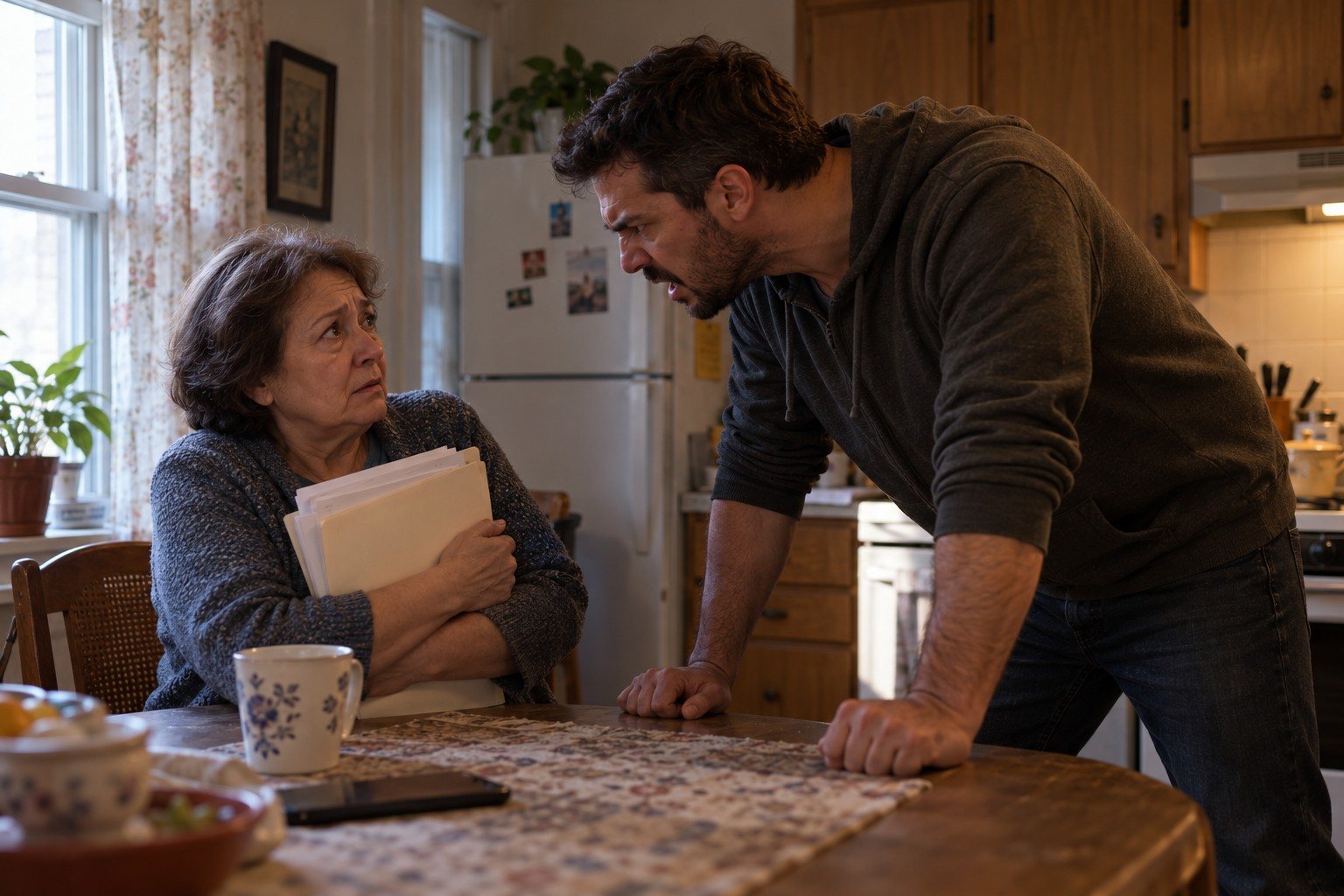 VAWA for abused children and abused parents: the two self-petitions in fullThe child and parent VAWA self-petitions in full: who counts, the ages, deaths and loss of status, derivatives, and the parent-only limits.Read →
Your attorneys
The lawyers who will handle your case
One of them calls you back, privately, on your terms.



Talk to a lawyer privately. You decide how we reach you.
Tell us a safe number or email and a safe time, and whether we can leave a message. We never contact the person who hurt you, and we never call from a number or send anything that names this site. The first conversation is free and confidential, in English, Russian, Spanish or Uzbek, with a live interpreter for any other language.