
VAWA for men and LGBTQ survivors
Despite its name, the Violence Against Women Act protects survivors of every gender. A husband abused by his wife, a woman abused by her wife, a transgender spouse, a gay son abused by a citizen parent: the self-petition is written for all of them, with the same elements and the same protections.
Current as of October 2026. We re-check this page every quarter and after any change in the law.
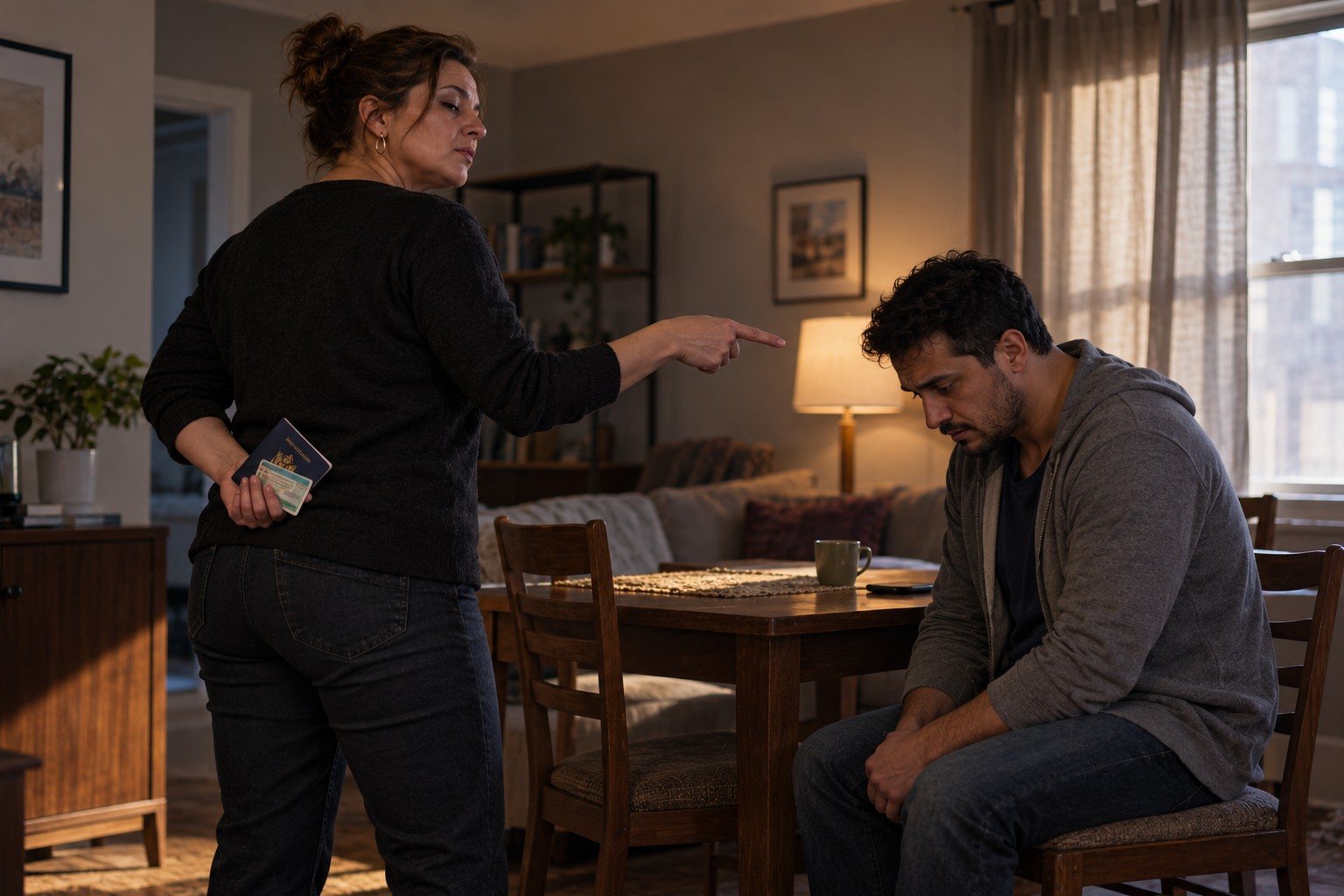
The name of the law causes real harm. Men who are abused by a wife, and people in same-sex relationships, are often told, sometimes by the abuser and sometimes by people trying to help, that VAWA is "for women." It is not. The self-petition provisions in INA 204(a)(1) are written in gender-neutral terms. A spouse, child or parent of any gender files under the same sections, proves the same elements, and receives the same protections.
This article covers what is the same for every survivor, which is almost everything, and the obstacles that men and LGBTQ survivors tend to meet more often. For the full process, read the complete guide to the self-petition.
The law is the same for everyone

For a spouse of a U.S. citizen (INA 204(a)(1)(A)(iii)) or of a permanent resident (INA 204(a)(1)(B)(ii)), the USCIS Policy Manual, Vol. 3, Part D, as revised by PA-2025-33, reads the statute to require:
- a qualifying marriage entered in good faith;
- that you or your child were battered or subjected to extreme cruelty by your spouse during the marriage;
- that you lived with your spouse during the marriage, with no minimum period;
- good moral character; and
- eligibility for the immediate-relative or F2A category.
No hardship element, for anyone
8 C.F.R. 204.2(c)(1)(i)(G) still prints extreme hardship as an element. Congress removed it from the statute in 2000 (Pub. L. 106-386, div. B, title V, sec. 1503(b)(1)(A)), and the Policy Manual follows the statute. It is not an element of the self-petition for any survivor.
Children abused by a citizen or green card holder parent, and parents abused by an adult citizen son or daughter, have their own doors, again without regard to gender (INA 204(a)(1)(A)(iv), (vii); (B)(iii)). See abused child and abused parent.
Every protection is the same too: no government filing fee for the I-360 as of October 2026 (8 C.F.R. 106.2(a)(17)(ii)), the nondisclosure rule in 8 U.S.C. 1367(a)(2), a work permit after approval (INA 204(a)(1)(K)), and the route to a green card.
Men abused by a wife or partner

Abuse is defined by conduct, not by who is stronger
Battery or extreme cruelty includes any act or threatened act of violence, including forceful detention, that results or threatens to result in physical or mental injury; psychological or sexual abuse or exploitation; and acts that are part of an overall pattern of violence (8 C.F.R. 204.2(c)(1)(vi)). Nothing in that definition depends on size or strength. What the USCIS Policy Manual looks for is conduct that reflects an intent to gain or maintain power and control, not hurtful conduct alone (3 USCIS-PM D.2(E)(1)). Courts have read extreme cruelty to reach non-physical coercive control, judged across the whole relationship (Hernandez v. Ashcroft, 345 F.3d 824 (9th Cir. 2003), a published decision, not our client).
Men often describe abuse that looks like this: control over money and papers, threats to call immigration, threats to take the children, humiliation in front of family, isolation, and violence they did not report because they did not expect to be believed. All of it can be part of the pattern. See abuse without violence and how abusers use immigration status as control.
"I never called the police"
No police report is required. USCIS must consider any credible evidence and decides the weight (INA 204(a)(1)(J); 8 C.F.R. 204.2(c)(2)(i)). Your declaration, statements from people who saw what happened or saw you change, counseling or medical records, and messages in the abuser's own words can carry the abuse element. See how to prepare a VAWA declaration.
"I was the one who got arrested"
This happens to survivors of every gender. An abuser who calls the police first, or seeks a protective order first, can leave the survivor with the record. The law has answers. An act or conviction connected to the abuse does not bar good moral character for the self-petition if it is waivable for purposes of the petition (INA 204(a)(1)(C); INA 101(f)). In immigration court, a judge may waive deportability for a domestic violence or protection-order offense where the person was battered or subjected to extreme cruelty and was not the primary perpetrator, and the judge finds self-defense, a violation of an order meant to protect them, or a crime connected to the abuse that caused no serious bodily injury (INA 237(a)(7)).
Talk to your criminal lawyer first
If you were arrested or charged, talk to your criminal lawyer before you write anything down about it. A plea can change everything on the immigration side. See arrested or charged.
For more, see men and VAWA.
LGBTQ survivors
Same-sex spouses
The elements are the same for a same-sex couple as for any other. The general rule in the USCIS Policy Manual is that a marriage is valid if it was valid where it was celebrated, unless it is contrary to U.S. public policy, as incestuous and plural marriages are (3 USCIS-PM D.2(B)(2)). Where and when your marriage took place therefore matters, and we review it with you individually. We do not publish anything more specific to same-sex marriages until we have read a current USCIS source on it.
Good faith is shown the way it is for anyone: by the ordinary details of a real relationship. Since PA-2025-33, the file needs primary evidence of the marriage, such as the certificate and proof that all prior marriages ended, plus evidence that the relationship was bona fide. Where families never recognized the relationship, statements from friends and community members who knew you as a couple carry real weight under the any credible evidence standard (INA 204(a)(1)(J)). See same-sex couples.
Abuse aimed at who you are
Some abuse targets what makes an LGBTQ survivor more exposed: threats to reveal your sexual orientation or gender identity to family, an employer, a congregation or people in your home country; isolation from the community you rely on; controlling access to medical care; or telling you that no one will believe you or that the law does not cover you. The regulation's definition reaches psychological abuse and acts that are part of an overall pattern (8 C.F.R. 204.2(c)(1)(vi)). These belong in your declaration like any other part of the pattern: what was said or done, when, how often, and what it did to you.
Transgender and nonbinary survivors
The statute does not depend on gender, so the elements do not change. In practice, name and gender-marker differences between documents need to be explained so that the file reads as one person's record. We handle that in the cover materials and, where it matters, in the declaration. Use the name you use; we will match it to the documents.
If you were never married
The spouse's self-petition needs a qualifying marriage, or a good-faith intended marriage that was invalid only because of the abuser's bigamy (INA 204(a)(1)(A)(iii)(II)(aa)(BB); INA 101(a)(50)). If you were partners but never married, the U visa may fit: domestic violence is a qualifying crime, the abuser need not be a citizen or permanent resident, and the parties need not be married (INA 101(a)(15)(U)(iii)). It requires a law enforcement certification on Form I-918 Supplement B (INA 214(p); 8 C.F.R. 214.14). Our comparison is in VAWA, the U visa, or the I-751 waiver.
If the marriage has ended, or you have children

The time limits and the rules for children do not depend on gender either.
- Divorced. A former spouse may file within 2 years after the marriage ended, if there is a connection between the end of the marriage and the abuse (INA 204(a)(1)(A)(iii)(II)(aa)(CC)(ccc); 204(a)(1)(B)(ii)(II)(aa)(CC)(bbb)). See the two-year rule.
- Widowed. The spouse of an abusive U.S. citizen who died may file within 2 years after the death (INA 204(a)(1)(A)(iii)(II)(aa)(CC)(aaa)).
- Children. A spouse who self-petitions may include their children, whether or not the children were abused (INA 204(a)(1)(A)(iii), (B)(ii); 8 C.F.R. 204.2(c)(4)). A father files for his children on the same terms as a mother. See children on your petition.
Custody and divorce are decided in family court, not by USCIS. If those cases are running alongside your immigration case, the two need to be planned together. Read VAWA after divorce or death and divorce, custody and VAWA.
Privacy matters more when the abuse is about who you are

Under 8 U.S.C. 1367(a)(2), DHS, the Justice Department and the State Department may not use or disclose information about a VAWA applicant to anyone, except as the statute allows. That includes facts about your relationship, your sexual orientation and your gender identity in the file. Protection ends when an application is denied and all appeals are exhausted, and USCIS treats it as ending at naturalization (8 U.S.C. 1367(a)(2); PA-2025-34). It binds the federal government, not the abuser and, in our reading, not a state family or criminal court. Read VAWA confidentiality under 8 U.S.C. 1367.
Safety and support
A safety plan is made with a domestic violence advocate, and many advocates work with men and with LGBTQ survivors. The National Domestic Violence Hotline is 1-800-799-7233, or text START to 88788. If you are in danger now, call 911. If someone checks this device, read staying safe online.
Our office works in English, Russian, Spanish and Uzbek, with interpreters for other languages. We never contact the abuser or the abuser's family. See a private consultation.
Read next: men and VAWA, same-sex couples, abuse without violence, or who qualifies.
Common questions
Can a man file a VAWA self-petition?
Yes. The self-petition provisions in INA 204(a)(1) are written without regard to gender. A husband abused by a U.S. citizen or green card holder spouse files under the same rules as a wife.
My wife hit me, but I was the one arrested. Can I still qualify?
Possibly, but talk to your criminal lawyer before you write anything down about the arrest. An act or conviction connected to the abuse does not bar good moral character if it is waivable for purposes of the petition (INA 204(a)(1)(C); INA 101(f)). In immigration court, INA 237(a)(7) allows a judge to waive certain domestic violence grounds for a person who was not the primary perpetrator.
Does VAWA cover a same-sex marriage?
The elements are written in gender-neutral terms (INA 204(a)(1)) and are the same for every spouse. Under the USCIS Policy Manual, a marriage is generally valid for immigration purposes if it was valid where it was celebrated, unless it is contrary to U.S. public policy (3 USCIS-PM D.2(B)(2)). We review the details of your marriage with you.
My partner threatened to out me to my family. Is that abuse?
It can be part of it. Battery or extreme cruelty includes psychological abuse and acts that are part of an overall pattern of violence (8 C.F.R. 204.2(c)(1)(vi)). Threats aimed at your safety, your family or your community belong in your declaration with dates and detail.
We were never married. Is there anything for me?
The spouse's self-petition needs a qualifying marriage or a good-faith intended marriage. The U visa does not: domestic violence is a qualifying crime, and the parties need not be married (INA 101(a)(15)(U)(iii)).
The lawyers who will handle your case
One of them calls you back, privately, on your terms.
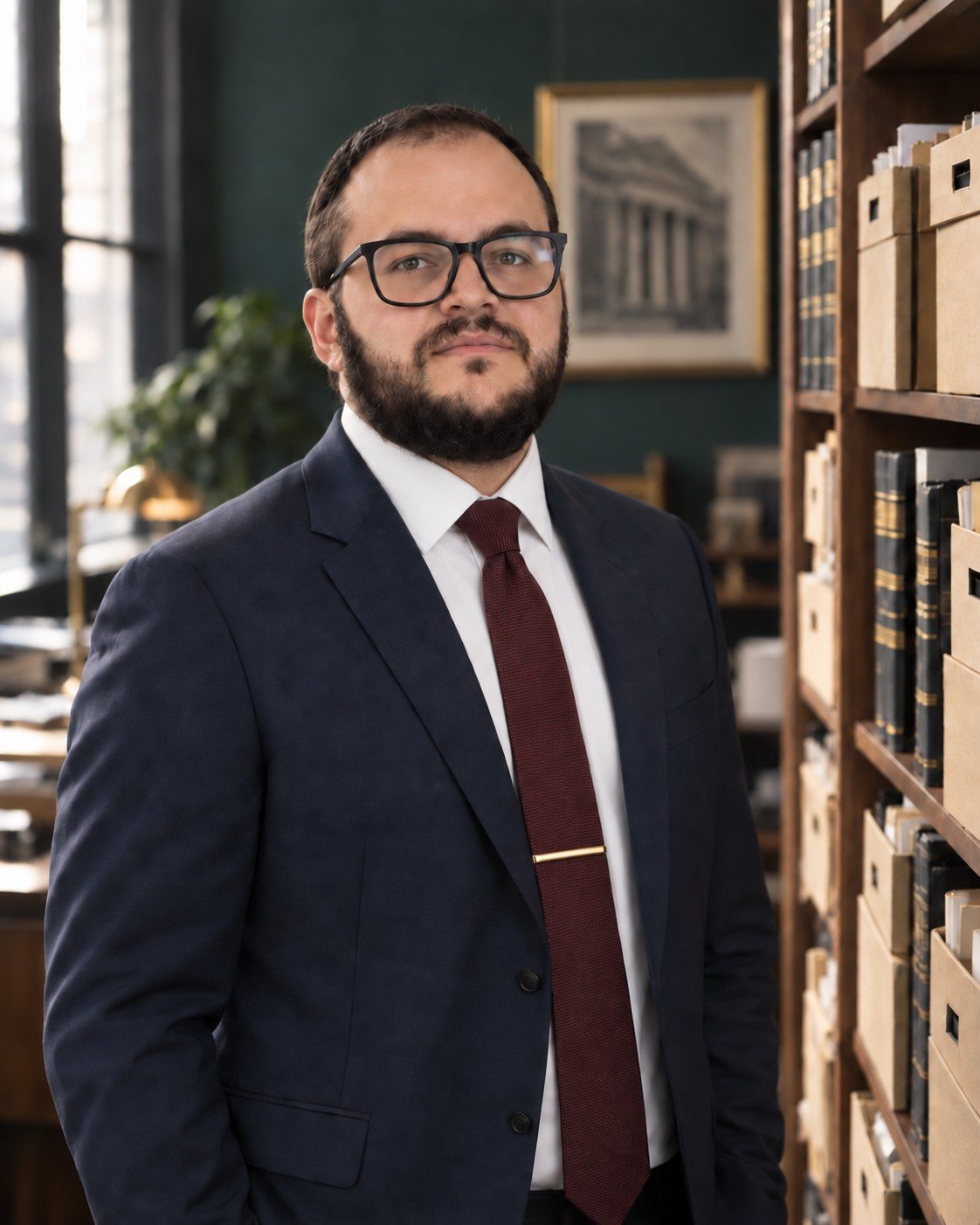
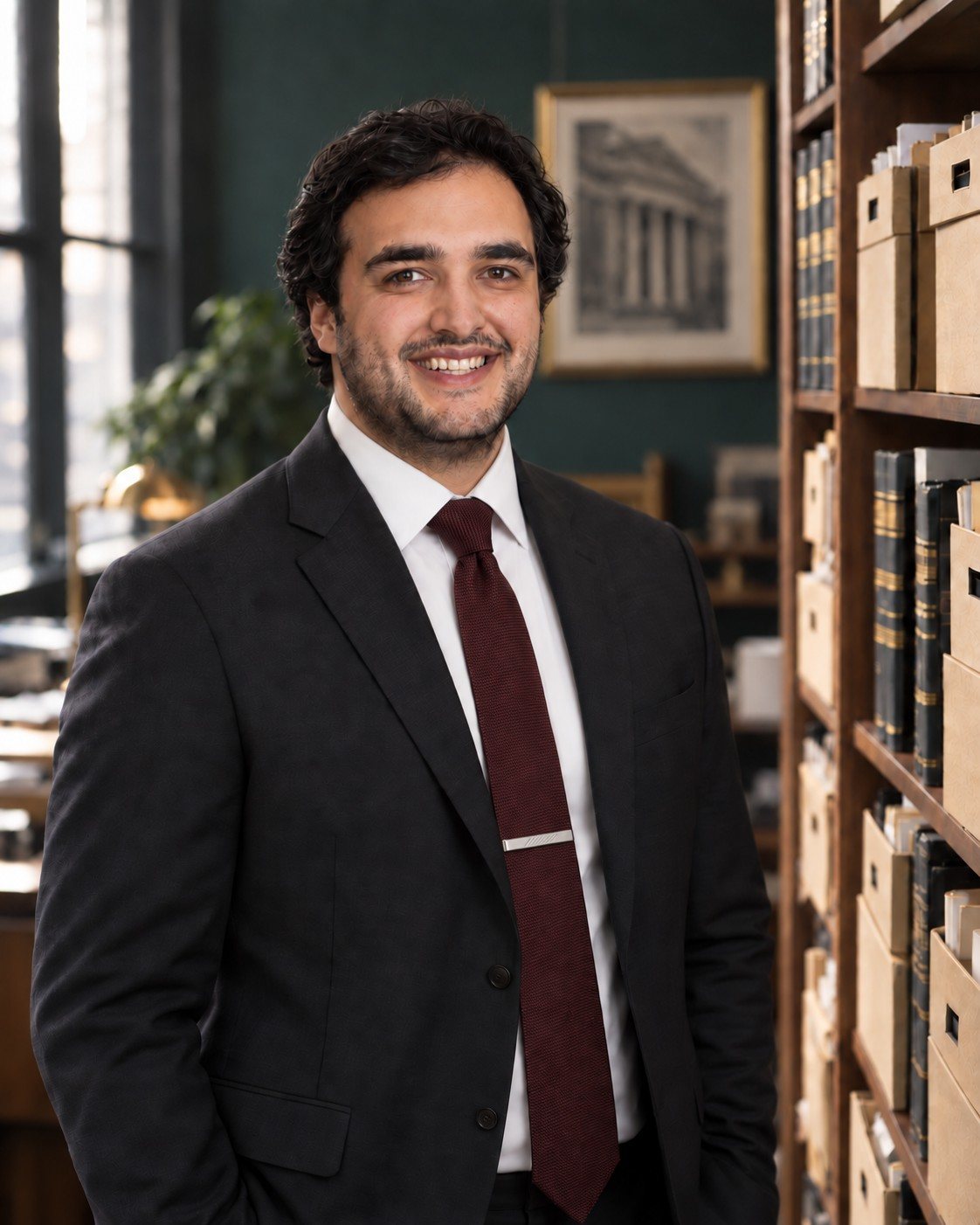
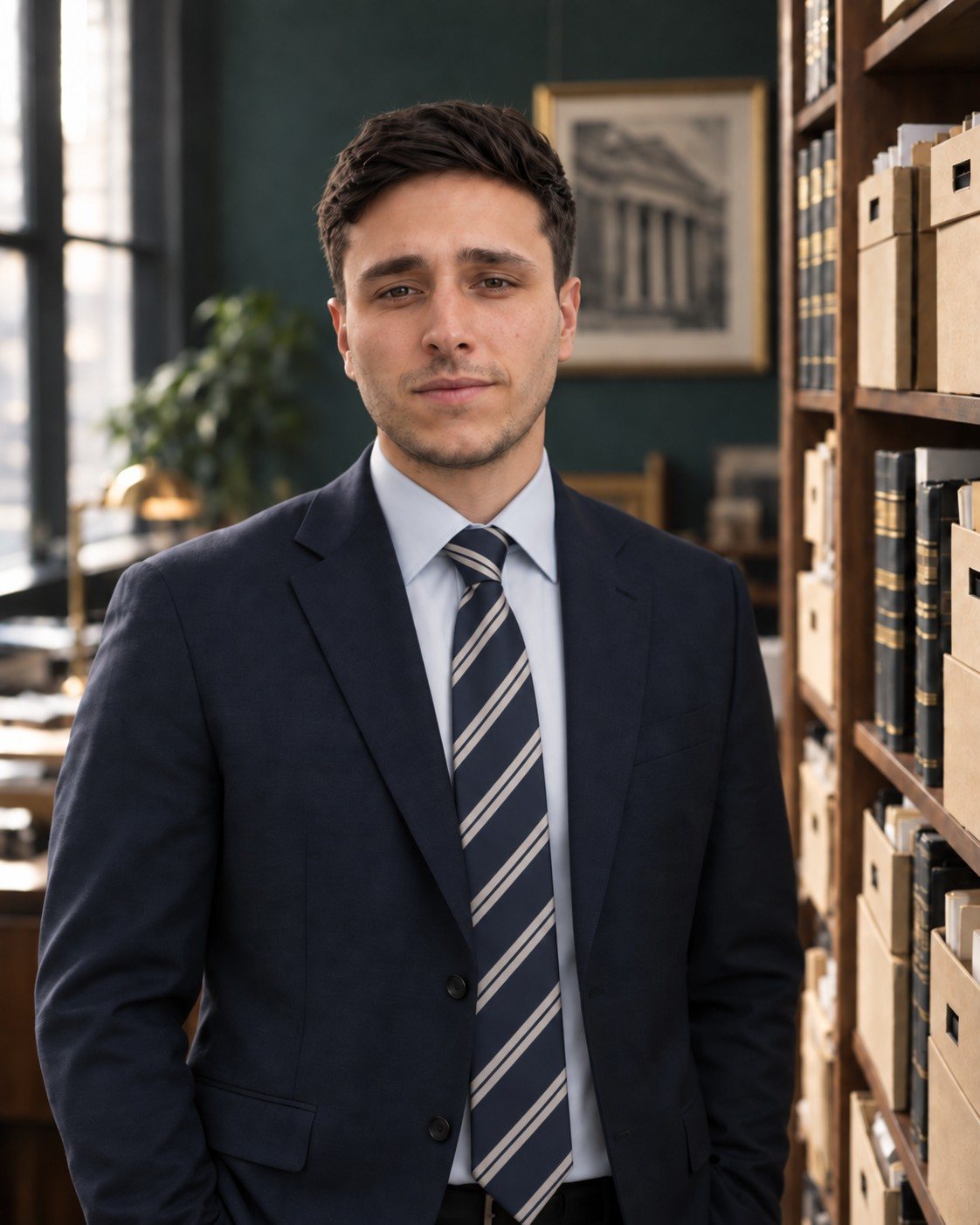
Talk to a lawyer privately. You decide how we reach you.
Tell us a safe number or email and a safe time, and whether we can leave a message. We never contact the person who hurt you, and we never call from a number or send anything that names this site. The first conversation is free and confidential, in English, Russian, Spanish or Uzbek, with a live interpreter for any other language.