
Men and VAWA
Yes, VAWA protects men. The self-petition provisions are written without regard to gender, so an abused husband, son or father files under exactly the same rules as anyone else. The name of the law does not limit who it covers.
Current as of October 2026. We re-check this page every quarter and after any change in the law.
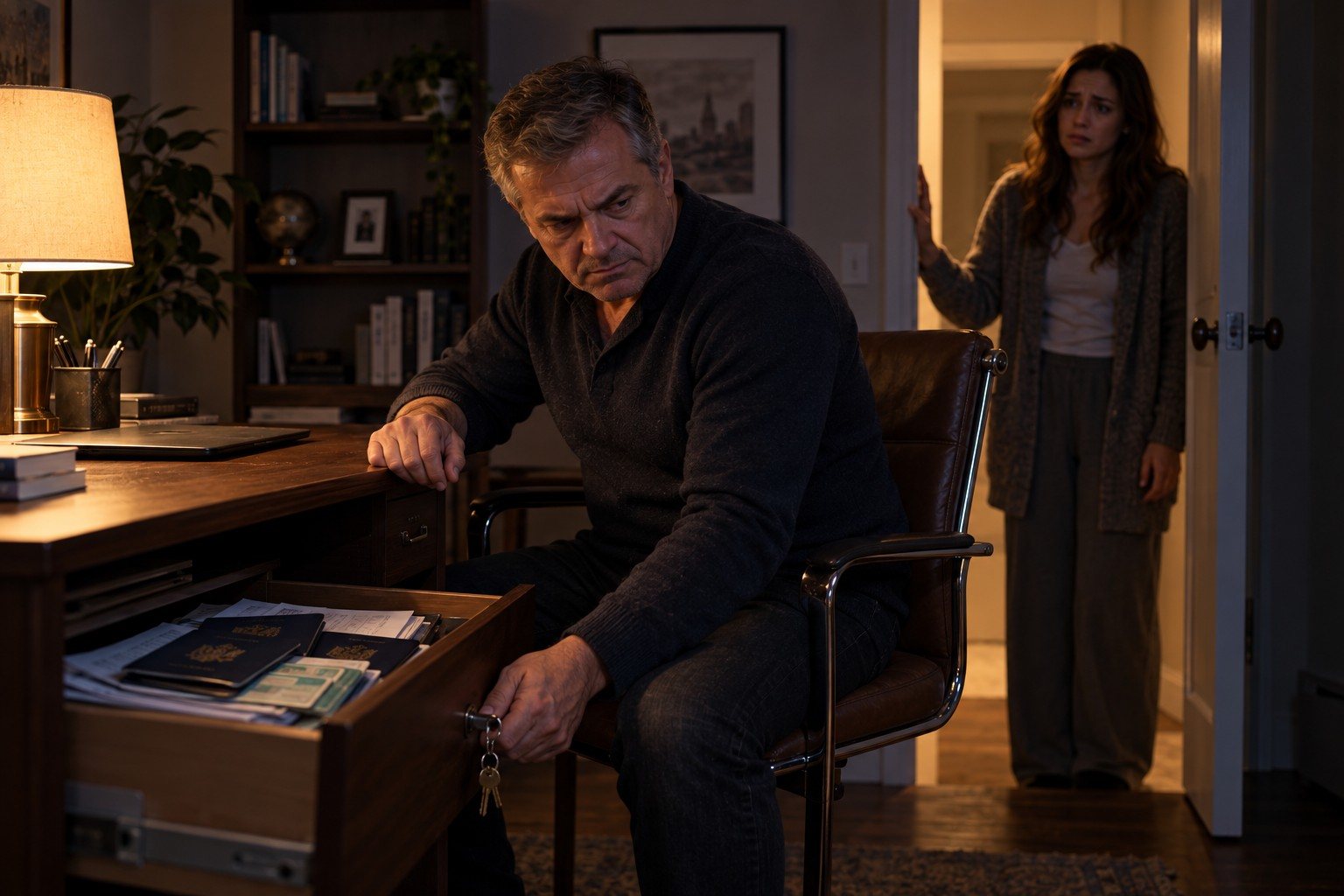
Many men who qualify never ask. They have heard the law's name, or they do not think of what happened to them as abuse, or they expect not to be believed. The statute does not share those assumptions. INA 204(a)(1), which holds every self-petition provision, is gender neutral.
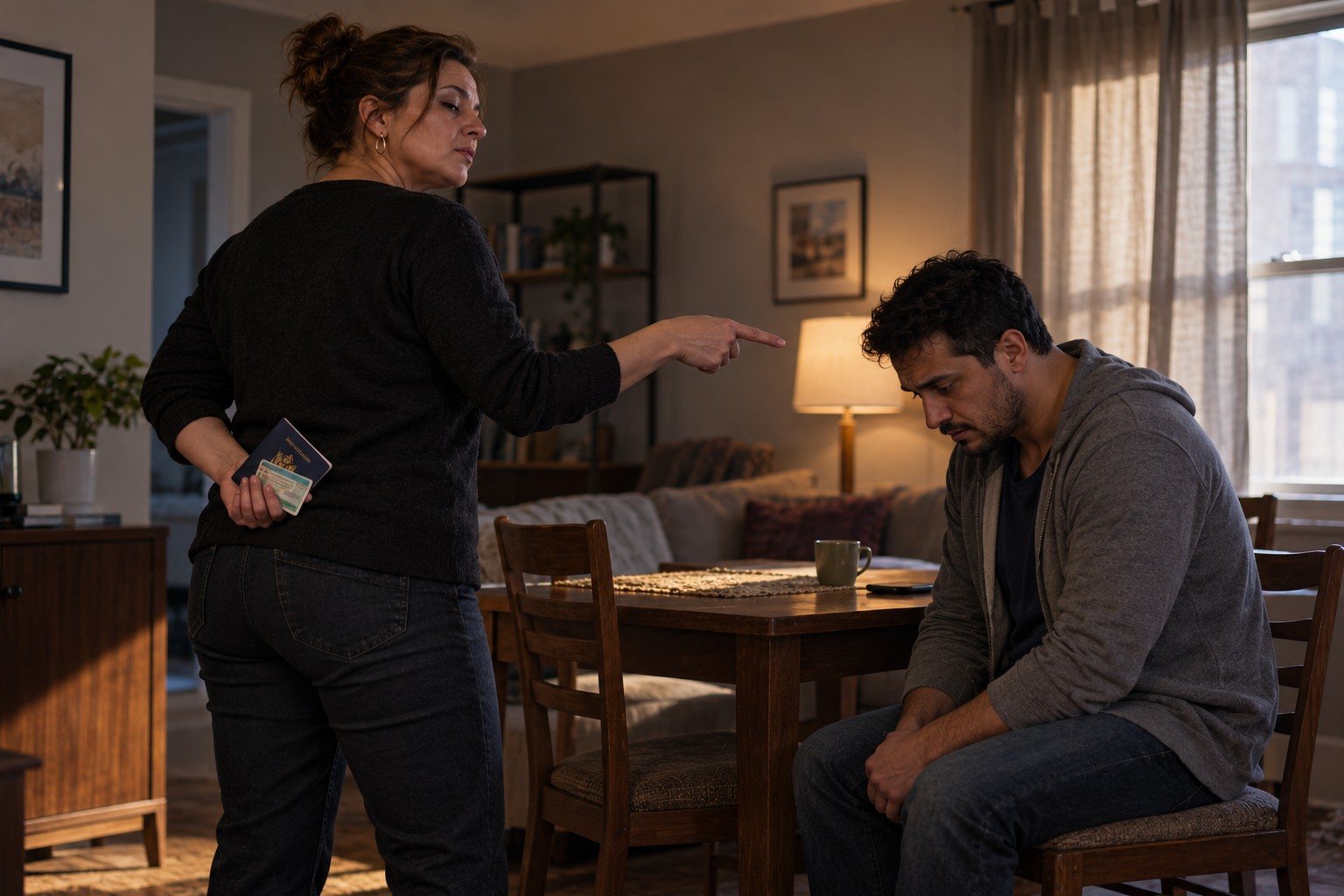
The same rules, word for word

A man qualifies through the same doors as anyone else:
- As the abused husband of a U.S. citizen (INA 204(a)(1)(A)(iii)) or a permanent resident (INA 204(a)(1)(B)(ii)), including in a same-sex marriage. See spouse of a U.S. citizen, spouse of a green card holder and same-sex couples.
- As a former husband, within 2 years after a marriage that ended in a way connected to the abuse. See the 2-year rule.
- As an abused son, unmarried and under 21, or until 25 in some cases (INA 204(a)(1)(A)(iv), (B)(iii); 204(a)(1)(D)(v)). See abused child.
- As a father abused by a U.S. citizen son or daughter who is at least 21 (INA 204(a)(1)(A)(vii)). See abused parent.
The spousal elements do not change with gender. Under INA 204(a)(1)(A)(iii), (B)(ii) and 8 C.F.R. 204.2(c)(1)(i), you show a marriage entered in good faith, battery or extreme cruelty during the marriage against you or your child, that you lived with the abuser during the marriage, and good moral character.
Abuse does not have to be physical

Abuse of a man may be non-physical, or physical in ways that are easy to dismiss. The regulation covers any act or threatened act of violence that results or threatens to result in physical or mental injury, psychological or sexual abuse or exploitation, and acts that may not look violent alone but are part of an overall pattern of violence (8 C.F.R. 204.2(c)(1)(vi)). The Ninth Circuit read extreme cruelty to reach non-physical, coercive control, judged across the whole relationship, in Hernandez v. Ashcroft, 345 F.3d 824 (9th Cir. 2003).
Threats to call immigration, to take the children, to have you fired or to tell people lies about you; control of every dollar; taking your passport; cutting you off from friends: any of these can be part of the pattern. See abuse without violence and threats of deportation.
If you were the one arrested

Abusers sometimes call the police first, or file for a protective order first. A man who was abused may be the one with the arrest record. That does not end the case on its own. An act or conviction connected to the abuse does not bar good moral character if it is waivable for purposes of the petition (INA 204(a)(1)(C); INA 101(f)). The text names spouse and child petitions; it does not name a parent abused by an adult son or daughter.
Before you write anything down
If there is an open criminal case, talk to your criminal lawyer before you write a declaration or any account of the events. What you write can be used in that case. See arrested or charged and protective orders.
If you are already in immigration court, a waiver of the domestic-violence deportability ground exists for a person who was battered or subjected to extreme cruelty and was not the primary perpetrator, if the judge also finds self-defense, a violation of a protection order meant to protect you, or a crime with no serious bodily injury connected to the abuse (INA 237(a)(7)). See the 237(a)(7) waiver.
Being believed
You do not need a police report or a medical record. USCIS must consider any credible evidence and decides its weight (INA 204(a)(1)(J); 8 C.F.R. 204.2(c)(2)(i)). The center of most petitions is a detailed declaration. See writing your declaration and evidence without documents.
The government may not make an adverse determination of admissibility or deportability using information furnished only by the abuser or the abuser's family, and may not disclose information about your petition to anyone, with limited exceptions (8 U.S.C. 1367(a)(1), (a)(2)). The admissibility rule does not apply if you have been convicted of a crime listed in INA 237(a)(2), and USCIS does not apply it to the denial of an I-360, I-751 or I-765V (PA-2025-34). On the petition, the answer to the abuser's version is your own evidence. See confidentiality.
Read next: who qualifies, same-sex couples, abuse without violence, or the self-petition overview.
Common questions
Does VAWA really apply to men?
Yes. The self-petition provisions in INA 204(a)(1) are gender neutral. A man abused by a U.S. citizen or permanent resident wife, husband, parent, or adult son or daughter qualifies on the same terms as anyone else.
My wife never left a mark on me. Is that abuse?
It can be. Battery or extreme cruelty includes psychological abuse and acts that may not look violent on their own but are part of an overall pattern of violence (8 C.F.R. 204.2(c)(1)(vi)). Threats to call immigration, control of money and papers, and isolation can be part of that pattern.
I was the one arrested after a fight. Does that end my case?
Not automatically. An act or conviction connected to the abuse does not bar good moral character if it is waivable for purposes of the petition (INA 204(a)(1)(C); INA 101(f)). That exception covers spouses and children, not abused parents. Every arrest must be reviewed. Talk to your criminal lawyer before you write anything down about it.
Will USCIS take the abuser's word over mine?
The government may not make an adverse determination of admissibility or deportability using information furnished only by the abuser or the abuser's family, unless you have been convicted of a crime listed in INA 237(a)(2) (8 U.S.C. 1367(a)(1)). Under USCIS Policy Alert PA-2025-34, USCIS does not apply that rule to the denial of an I-360, I-751 or I-765V. On the petition itself, USCIS must consider any credible evidence you submit (INA 204(a)(1)(J)), so your own record is the answer.
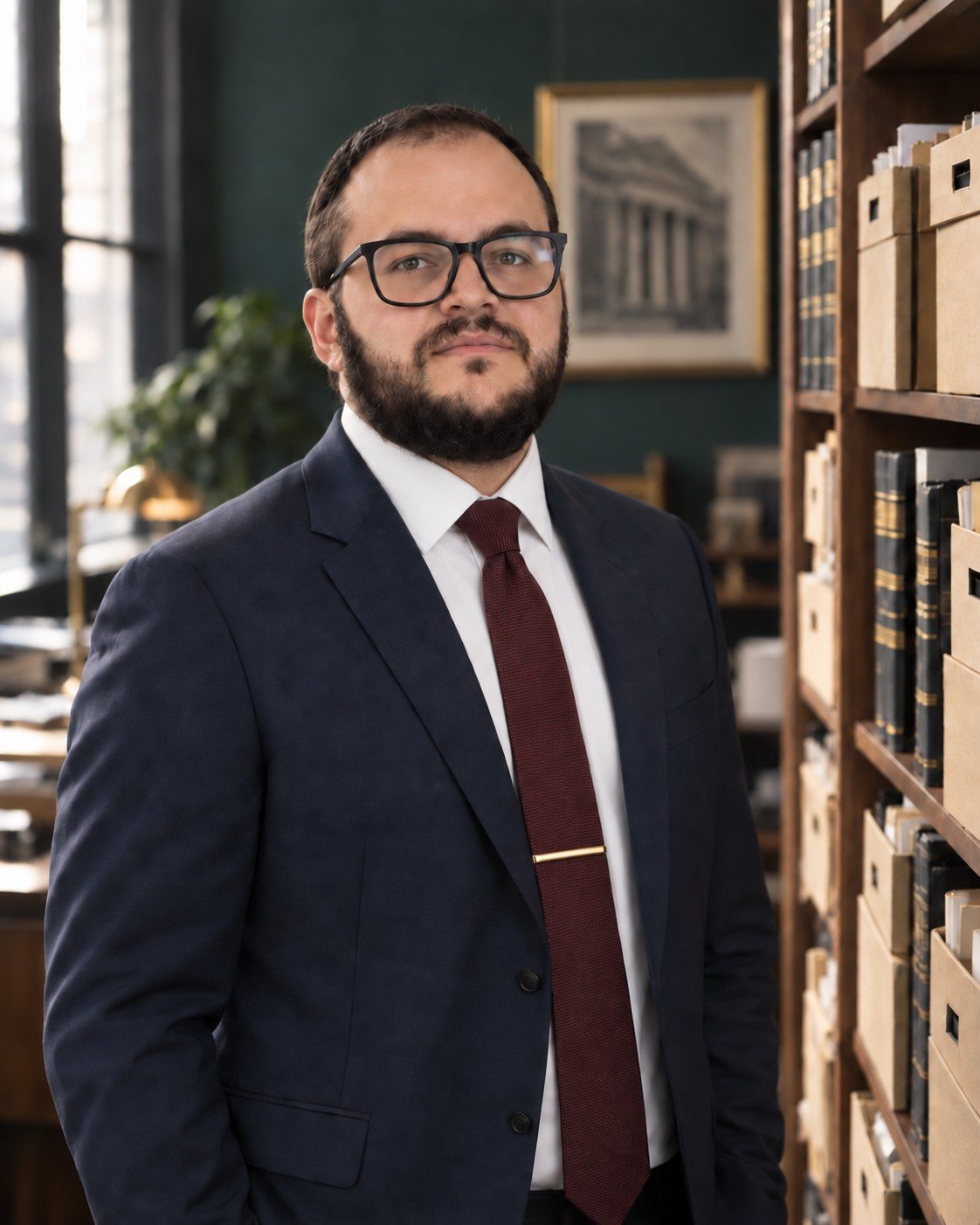
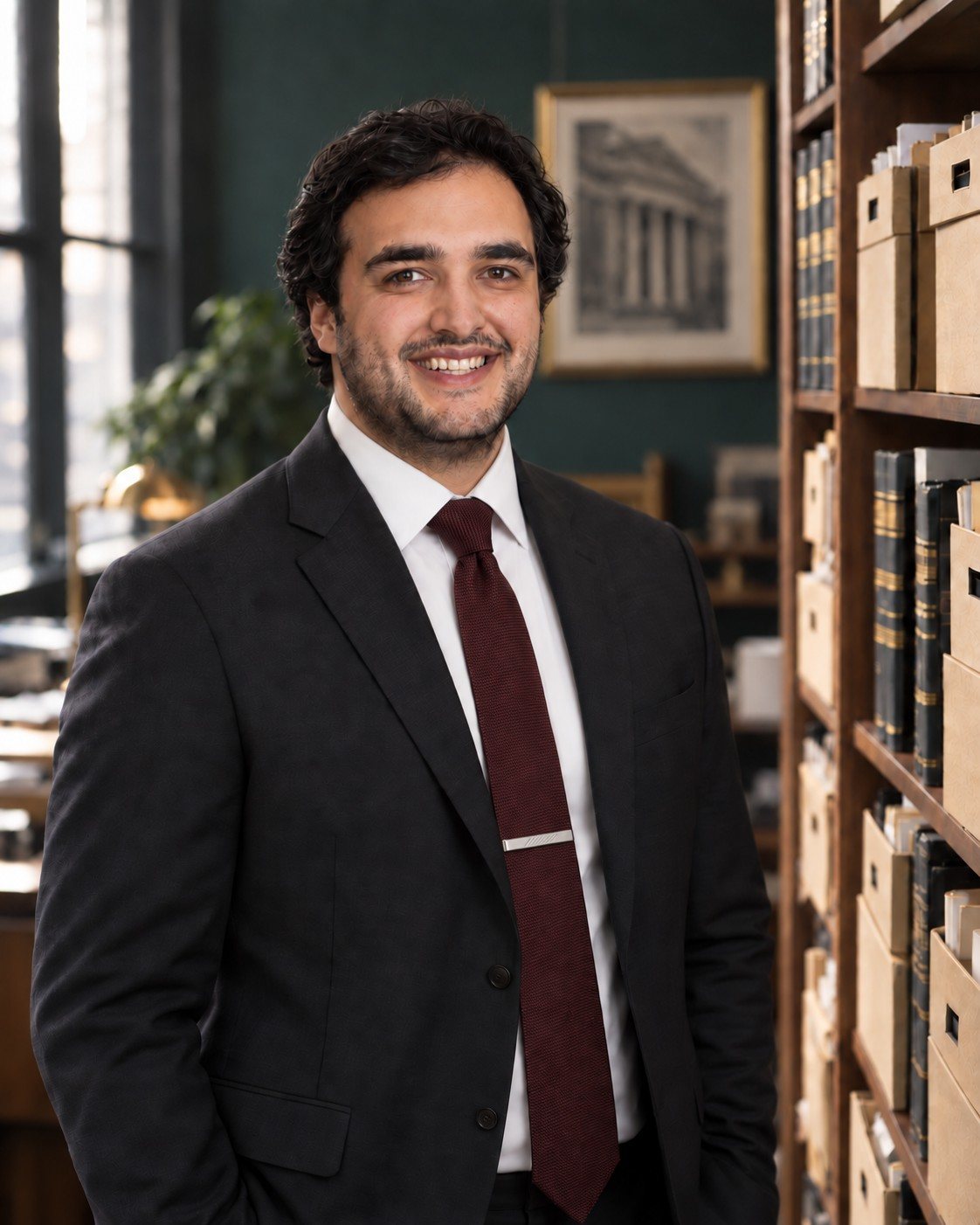
The lawyers who will handle your case
One of them calls you back, privately, on your terms.
Talk to a lawyer privately. You decide how we reach you.
Tell us a safe number or email and a safe time, and whether we can leave a message. We never contact the person who hurt you, and we never call from a number or send anything that names this site. The first conversation is free and confidential, in English, Russian, Spanish or Uzbek, with a live interpreter for any other language.